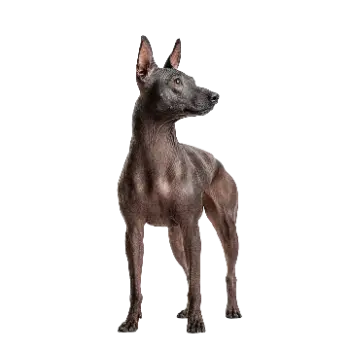

Peak Health Maintenance

The adult Xoloitzcuintli, typically reaching full maturity between eighteen months and two years of age, enters a period of relative stability and robust health that can last for many years. This breed is known for its exceptional longevity, with many individuals living well into their mid-teens and some reaching eighteen years or beyond. Maintaining peak health during the adult years is largely a matter of consistent care, preventive medicine, and attentive observation.

Annual veterinary wellness examinations are the cornerstone of adult health maintenance. These visits allow your veterinarian to assess body condition, check heart and lung function, evaluate joint health, and run baseline blood work that can reveal emerging issues before they become symptomatic. For the Xoloitzcuintli, skin examinations are an important component of each visit, particularly for the hairless variety whose exposed skin is more susceptible to environmental damage.

Keep vaccinations current according to your veterinarian's recommendations. Core vaccines and parasite prevention should continue on schedule throughout the adult years. The Xoloitzcuintli's hairless skin makes flea and tick prevention especially important, as parasites are more visible on bare skin but can also cause more pronounced irritation without a coat to provide a barrier.

Maintain a consistent daily routine that includes regular exercise, predictable meal times, and quality time with the family. The Xoloitzcuintli thrives on routine and can become anxious when their environment or schedule changes dramatically. A stable, predictable home life supports both physical and emotional well-being throughout the adult years.

Nutrition at Maturity

Adult Xoloitzcuintli should transition to a high-quality adult maintenance formula once they have reached their full size and physical maturity. The appropriate food will depend on the dog's size variety, activity level, and any individual dietary sensitivities. Toy and miniature Xoloitzcuintli typically do well on small-breed formulas with appropriately sized kibble, while standard-sized dogs can eat a regular adult formula.

Portion control is essential for maintaining a healthy weight throughout adulthood. The Xoloitzcuintli has a moderate metabolism, and overfeeding can lead to obesity that places unnecessary strain on joints and organs. Feed measured portions twice daily rather than free-feeding, and adjust amounts based on your dog's body condition. You should be able to feel your dog's ribs with light pressure without seeing them prominently.

Skin health in the hairless Xoloitzcuintli is closely connected to nutrition. Diets rich in omega-3 and omega-6 fatty acids support skin integrity, reduce inflammation, and promote a supple, healthy appearance. Fish-based proteins or a fish oil supplement can be particularly beneficial for maintaining the smooth, resilient skin that is characteristic of a healthy hairless Xolo.

Food sensitivities may emerge or shift during adulthood. If your Xoloitzcuintli develops persistent skin breakouts, excessive itching, or recurring digestive issues, work with your veterinarian to evaluate the diet and identify potential allergens. Limited-ingredient diets or novel protein sources can often resolve sensitivity-related symptoms when the triggering ingredient is successfully identified and removed.

Exercise & Fitness

Adult Xoloitzcuintli are moderately active dogs that benefit from daily exercise without requiring the intensity demanded by high-energy sporting breeds. Two daily walks of moderate length, combined with interactive play sessions and mental enrichment activities, typically satisfy the breed's physical and psychological needs. The Xoloitzcuintli is adaptable and can adjust to a range of activity levels, making it suitable for both active households and more relaxed living situations.

Mental stimulation remains important throughout adulthood. The Xoloitzcuintli is an observant and intelligent breed that enjoys problem-solving activities. Rotate puzzle toys regularly, practice training refreshers, and introduce new games to keep your dog mentally engaged. Scent work, in particular, taps into the breed's natural abilities and provides a satisfying mental workout without heavy physical demands.

Sun protection is a lifelong consideration for hairless Xoloitzcuintli during outdoor activities. Apply pet-safe sunscreen to exposed skin before extended outdoor sessions, and schedule vigorous exercise during cooler morning or evening hours to avoid peak sun exposure. In cold climates, outerwear is necessary during winter walks to prevent the dog from losing body heat too rapidly through its bare skin.

Off-leash exercise should only occur in securely fenced areas, as the Xoloitzcuintli's alert nature and prey drive can lead to chasing small animals or bolting toward perceived threats. A reliable recall is helpful but should not be solely relied upon in unfenced areas. Dog parks can be enjoyed if your Xolo is well-socialized, but always monitor interactions closely, as the breed's reserved nature with strangers extends to unfamiliar dogs as well.

Preventive Health Care

Preventive care during the adult years focuses on maintaining the strong foundation of health established in puppyhood. Regular wellness exams, up-to-date vaccinations, and consistent parasite control form the baseline. For the Xoloitzcuintli, breed-specific considerations add additional dimensions to the preventive care plan.

The hairless Xoloitzcuintli is prone to certain dermatological conditions including acne, comedones, and sun-related skin damage. Regular skin care that includes gentle cleansing and moisturizing with products formulated for sensitive canine skin helps prevent buildup and irritation. Your veterinarian may recommend periodic skin checks to monitor for any changes that could indicate more serious conditions.

Dental health deserves particular attention in this breed. Hairless Xoloitzcuintli often have incomplete dentition, with missing premolars being especially common due to the genetic link between hairlessness and dental development. The teeth that are present may be more prone to issues than in fully-toothed breeds. Regular dental examinations, professional cleanings as recommended, and at-home dental care all contribute to maintaining oral health.

Hip and patellar evaluations are appropriate for standard-sized Xoloitzcuintli, as joint issues can affect medium to large dogs regardless of breed. Cardiac screening is also recommended as part of a comprehensive health maintenance program. Discuss with your veterinarian which screening tests are appropriate for your dog's size, age, and individual health history.

Behavioral Maturity

The adult Xoloitzcuintli is typically a calm, composed, and deeply loyal companion. The breed's characteristic reserve with strangers settles into a stable watchfulness during maturity, making them naturally alert guardians of their home and family. While they are not aggressive, adult Xoloitzcuintli are keenly aware of changes in their environment and will readily alert their owners to anything unusual.

The strong bond that the Xoloitzcuintli forms with its family is one of the breed's most defining traits. Adult Xolos often develop a particularly close attachment to one person in the household, following them from room to room and seeking physical contact whenever possible. This devotion is endearing but should be balanced with enough independence that the dog can cope comfortably when their preferred person is away.

Adult Xoloitzcuintli that were well-socialized during puppyhood and adolescence generally navigate new social situations with quiet confidence. However, the breed may never become outgoing with strangers in the way that some more gregarious breeds are. Accepting and respecting this aspect of the breed's temperament rather than trying to force sociability leads to a more relaxed and trusting dog.

Continued mental enrichment and occasional training refreshers keep the adult Xoloitzcuintli engaged and responsive. This breed enjoys learning and working with its owner, and short daily training sessions strengthen the bond while maintaining good manners. Introducing new tricks or activities periodically prevents staleness and gives the dog a sense of purpose and accomplishment.

Dental & Grooming

Grooming the Xoloitzcuintli differs significantly from grooming a coated breed. Hairless Xoloitzcuintli require regular skin care that includes bathing every one to two weeks with a gentle, moisturizing shampoo formulated for sensitive skin. Over-bathing can strip natural oils and lead to dryness, while under-bathing allows buildup of oils and debris that can clog pores and cause breakouts. Finding the right balance for your individual dog may require some experimentation.

After bathing, apply a lightweight, fragrance-free moisturizer to the skin to maintain suppleness and prevent cracking. Pay particular attention to areas prone to dryness such as the elbows, knees, and muzzle. In dry climates or during winter months when indoor heating reduces humidity, more frequent moisturizing may be necessary to keep the skin comfortable and healthy.

Coated Xoloitzcuintli have minimal grooming needs thanks to their short, low-shedding coat. A weekly brushing with a soft bristle brush removes loose hair and distributes natural oils. Bathing can be done less frequently than with the hairless variety, typically every three to four weeks or as needed.

Dental care is a critical grooming component for all Xoloitzcuintli, but particularly for the hairless variety. The gene responsible for hairlessness also affects dental development, and many hairless Xolos have fewer teeth than a typical dog, with those present sometimes being shallow-rooted or unusually shaped. Daily brushing with an enzymatic canine toothpaste helps protect the teeth that are present. Regular veterinary dental assessments ensure that any issues are caught and addressed before they lead to pain or tooth loss. Nail trimming, ear cleaning, and eye care should round out the regular grooming routine.

Always consult a qualified professional before making any health-related decisions. This content is provided for informational reference only and should not replace professional guidance specific to your animal.