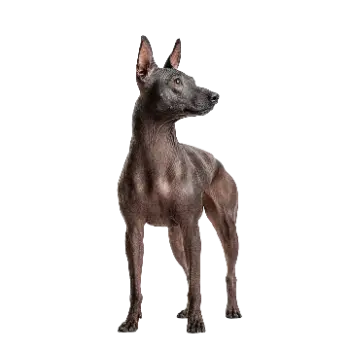

Breeding a Xoloitzcuintli is a serious undertaking that requires careful preparation, a thorough understanding of the breed's unique genetics, and a commitment to the health and welfare of both the breeding pair and their offspring. Before considering a breeding, both the sire and dam should be fully health-tested according to the standards recommended by the breed's parent club and reputable breed organizations.
Physical maturity is a prerequisite for breeding. Female Xoloitzcuintli should not be bred before their second birthday at the earliest, allowing time for full skeletal development and at least one or two complete heat cycles. Males should also be fully mature, which typically occurs around eighteen months to two years of age. Breeding dogs that are too young can compromise the health of the mother and the quality of the offspring.
Health screenings for breeding Xoloitzcuintli should include hip and patellar evaluations, cardiac screening, and eye examinations. Because the breed's gene for hairlessness is linked to dental abnormalities and is a semi-lethal gene in homozygous form, understanding the genetics behind coat type is essential. A mating between two hairless Xoloitzcuintli will statistically produce a portion of puppies that are homozygous for the hairless gene, and these embryos are not viable. Responsible breeders understand these genetics and plan matings accordingly.
Temperament should be evaluated as part of breeding readiness. Both parents should exhibit the breed's characteristic calm, loyal, and alert disposition. Dogs that display excessive nervousness, fearfulness, or aggression should not be bred, as temperament has a significant genetic component. The goal of any responsible breeding program is to produce puppies that are physically healthy, temperamentally sound, and true to the breed standard.