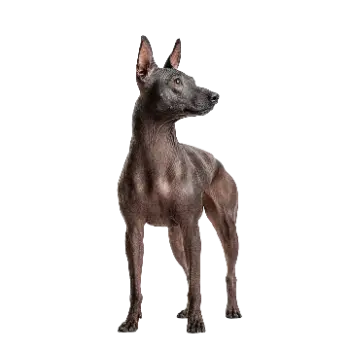

Growth & Physical Development

The juvenile period in a Xoloitzcuintli begins around eight weeks of age and extends through approximately twelve to eighteen months, depending on the size variety. Toy Xolos tend to reach their full size earlier, often by ten to twelve months, while standard-sized Xoloitzcuintli may continue filling out until they are closer to eighteen months old. During this time, you will notice rapid changes in body proportion as gangly puppy legs gradually come into balance with a deepening chest and developing musculature.

Hairless Xoloitzcuintli undergo significant skin changes during adolescence. Puppy skin that once appeared smooth and uniform may develop acne-like breakouts, particularly around the head, neck, and back. This is a normal part of hormonal development and typically resolves as the dog matures. Gentle cleansing with a mild, fragrance-free cleanser can help manage breakouts without irritating the skin further.

Coated Xoloitzcuintli will develop their full adult coat during this period, which remains short and flat against the body. Both varieties may experience shifts in skin or coat pigmentation, with coloring darkening or becoming more mottled as they age. These pigment changes are entirely normal and are part of the breed's characteristic appearance.

Regular weight checks help ensure your Xoloitzcuintli is growing at a healthy rate without becoming overweight or underweight. Your veterinarian can provide a growth curve appropriate for your dog's size variety. Rapid growth spurts can sometimes cause temporary lameness or growing pains, which should be evaluated if they persist for more than a day or two.

Nutrition & Diet Transition

Transitioning from puppy food to an appropriate juvenile diet is an important step during this stage. High-quality puppy formulas designed for the appropriate size category should be fed through the first year of life for toy and miniature varieties, and up to fifteen or eighteen months for standard Xoloitzcuintli. These formulas provide the higher calorie density and balanced calcium-to-phosphorus ratios that growing bones and muscles require.

Feeding frequency typically shifts from three or four meals per day for young puppies to two meals per day by around six months of age. Consistent meal times help regulate digestion and make housetraining more predictable. Avoid free-feeding, as Xoloitzcuintli can develop picky eating habits or, conversely, overeat when food is constantly available.

The Xoloitzcuintli's hairless variety can be prone to food sensitivities that manifest as skin irritation or digestive upset. If you notice redness, itching, or gastrointestinal issues that seem connected to meals, consult your veterinarian about an elimination diet to identify potential triggers. Keeping a food diary can help pinpoint which ingredients may be causing reactions.

Fresh water should be available at all times. Treats are a valuable training tool during this period but should not exceed ten percent of daily caloric intake. Choose small, soft treats that can be consumed quickly during training sessions rather than large, calorie-dense chews that add unnecessary bulk to the diet.

Behavioral Changes

Adolescence brings a predictable wave of behavioral testing in the Xoloitzcuintli. A puppy that seemed perfectly obedient at twelve weeks may suddenly appear to have forgotten every command by six months of age. This is a normal part of canine development as the dog's brain undergoes significant reorganization and their confidence grows. Patience and consistency are your most important tools during this phase.

The Xoloitzcuintli is an intelligent and sensitive breed that can become anxious or withdrawn if subjected to harsh corrections. Adolescent Xolos may test boundaries by ignoring recalls, chewing inappropriate items, or becoming vocal when left alone. These behaviors are not signs of defiance but rather expressions of a developing mind learning to navigate its world. Respond with calm redirection rather than punishment.

Separation anxiety is relatively common in the breed during adolescence. Xoloitzcuintli form exceptionally strong bonds with their families and may struggle when left alone for extended periods. Gradual desensitization, starting with very short absences and slowly increasing duration, can help build confidence and independence. Providing puzzle toys and safe chew items during alone time gives the dog a positive focus.

Fear periods are another hallmark of canine adolescence, and Xoloitzcuintli may go through one or two phases where they become suddenly wary of objects, people, or situations they previously accepted. These periods are temporary but should be handled with care. Avoid flooding the dog with the thing it fears and instead create positive associations through treats and calm encouragement at a comfortable distance.

Training Priorities

Training during the juvenile period should build on the foundation established in early puppyhood. Reliable recall, leash manners, and basic obedience commands like sit, down, stay, and leave it are essential skills to reinforce consistently. The Xoloitzcuintli responds exceptionally well to positive reinforcement methods that use food rewards, praise, and play as motivators.

Housetraining typically solidifies during this stage, though some Xoloitzcuintli may take longer than other breeds to become fully reliable indoors. Maintain a consistent schedule for outdoor bathroom breaks and continue to reward successful elimination outside. Avoid punishing accidents, which can create anxiety and actually delay the training process.

Crate training is particularly valuable for this breed during adolescence. A properly introduced crate provides a safe, den-like space where the dog can rest and decompress. It also prevents destructive behavior when you cannot supervise directly. The crate should always be associated with positive experiences and never used as punishment.

Leash training deserves special attention because the Xoloitzcuintli's alert nature can lead to reactive behavior toward unfamiliar dogs or people during walks. Practice walking in progressively more stimulating environments, rewarding your dog for calm attention and check-ins. Early investment in polite leash behavior pays dividends throughout the dog's life, making daily walks enjoyable rather than stressful for both dog and owner.

Exercise & Activity

Xoloitzcuintli are moderately active dogs that require daily exercise to stay physically and mentally healthy during their juvenile months. Two to three moderate walks per day, supplemented with play sessions in a securely fenced area, typically meet the needs of this breed. Avoid excessive high-impact exercise such as long-distance running or repeated jumping until the dog's growth plates have closed, as premature stress on developing joints can cause lasting damage.

Mental stimulation is equally important for this intelligent breed. Puzzle feeders, scent work games, and short training sessions throughout the day engage the Xoloitzcuintli's active mind and help prevent boredom-related behavior problems. A tired Xolo is usually a well-behaved Xolo, and mental exercise is just as effective as physical activity in achieving that goal.

Hairless Xoloitzcuintli require special consideration during outdoor exercise. Their exposed skin is vulnerable to sunburn, especially in lighter-colored dogs. Apply a pet-safe sunscreen to exposed skin before outdoor activities during peak sun hours, and provide shaded areas where the dog can rest. In cold weather, a well-fitted sweater or coat is essential to prevent the dog from becoming chilled during walks.

Swimming can be an excellent low-impact exercise option for Xoloitzcuintli, but not all dogs of this breed are natural swimmers. Introduce water gradually and always supervise water activities closely. A canine life vest provides an extra layer of safety for dogs that are still building their confidence in the water.

Spay/Neuter Considerations

The decision of when to spay or neuter a Xoloitzcuintli should be made in consultation with your veterinarian and, if applicable, your dog's breeder. Current research suggests that allowing dogs to reach skeletal maturity before altering can benefit long-term joint and bone health, particularly in standard-sized varieties that take longer to reach full growth.

For toy and miniature Xoloitzcuintli, many veterinarians recommend spaying or neutering between six and twelve months of age. Standard Xoloitzcuintli may benefit from waiting until twelve to eighteen months, allowing growth plates to close and hormonal development to support proper musculoskeletal formation. Your veterinarian can help you weigh the benefits and risks based on your individual dog's health and living situation.

Behavioral considerations also play a role in timing. Intact males may develop marking, roaming, or mounting behaviors that can be managed through training but may become more entrenched the longer the dog remains unaltered. Intact females will experience heat cycles that require management to prevent unwanted breeding. Neither behavioral nor reproductive factors should be the sole basis for deciding timing.

If you plan to keep your Xoloitzcuintli intact for an extended period or permanently, responsible management is essential. Secure fencing, leash control, and careful supervision around other dogs prevent accidental breeding. Discuss with your veterinarian the appropriate health screening schedule for intact dogs, as some conditions are more common in unaltered animals.

Socialization & Exposure

Continued socialization during the juvenile and adolescent period is critical for the Xoloitzcuintli. While the primary socialization window closes around sixteen weeks of age, ongoing positive exposure to new people, animals, environments, and experiences throughout the first year helps solidify a confident, well-adjusted temperament. The breed's natural tendency toward wariness with strangers makes consistent socialization especially important.

Enroll your Xoloitzcuintli in a well-run puppy socialization class or group training course where they can interact with other dogs in a structured, supervised setting. Look for classes that emphasize positive reinforcement and allow puppies to interact at their own pace rather than forcing interactions. These controlled environments provide valuable learning opportunities that are difficult to replicate at home.

Expose your Xoloitzcuintli to a wide variety of surfaces, sounds, and situations during daily outings. Walks through different neighborhoods, visits to pet-friendly stores, and calm outdoor dining patios all provide valuable sensory input. Each new experience should be paired with treats and praise to create positive associations. If your dog shows signs of stress, increase distance from the trigger and work at a pace the dog can handle comfortably.

Socialization with children, elderly individuals, people wearing hats or uniforms, and people of different appearances helps prevent the development of fear-based reactivity. Arrange controlled introductions where the dog can approach at its own speed and retreat if it feels overwhelmed. Building a broad base of positive social experiences during these formative months creates a Xoloitzcuintli that is confident and relaxed in a variety of situations throughout its life.

Always consult a qualified professional before making any health-related decisions. This content is provided for informational reference only and should not replace professional guidance specific to your animal.