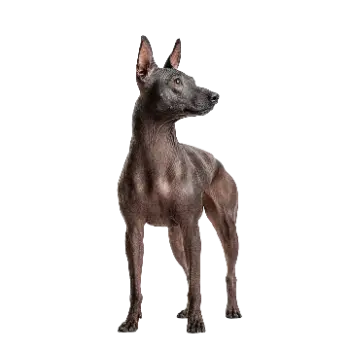

The First 24 Hours

The arrival of Xoloitzcuintli puppies is a remarkable event that demands attentive preparation. Xolos can be born either hairless or coated, and this distinction is visible almost immediately at birth. Hairless puppies emerge with smooth, soft skin that feels warm to the touch, while coated puppies display a short, flat coat. Regardless of variety, each puppy should be checked to confirm it is breathing, moving, and able to latch onto the mother within the first hour.

During the first twenty-four hours, the dam will clean each puppy and stimulate their breathing and circulation through vigorous licking. It is critical that every puppy receives colostrum, the nutrient-rich first milk that delivers essential antibodies. Since Xoloitzcuintli litters can range from one to five puppies depending on the size variety, smaller litters should still be monitored to confirm each puppy nurses successfully.

Hairless Xoloitzcuintli neonates are particularly vulnerable to temperature loss because they lack the insulating fur that other breeds rely on. Keep the whelping area warm and draft-free, maintaining an ambient temperature of around 85 to 90 degrees Fahrenheit in the immediate nesting zone. A heat lamp or heating pad placed beneath layers of bedding can help, but always ensure the mother and puppies can move away from the heat source if needed.

Watch for any puppy that appears listless, refuses to nurse, or is pushed away from the group by the dam. These can be early warning signs of congenital issues or failure to thrive. Weigh each puppy at birth and record the weight so you can track daily gains. A healthy Xoloitzcuintli newborn should begin gaining weight consistently within the first day or two of life.

Nursing & Nutrition

Maternal milk provides the complete nutritional foundation for Xoloitzcuintli puppies during their first several weeks. The colostrum consumed in the initial hours delivers immunoglobulins that protect the puppies from infection until their own immune systems begin to develop. After colostrum transitions to mature milk, feedings should continue on demand, with puppies typically nursing every one to two hours in the first week.

Monitor each puppy's weight daily using a kitchen scale or small postal scale. Xoloitzcuintli puppies in the toy variety may weigh as little as a few ounces at birth, making even small fluctuations significant. Consistent weight gain of roughly ten percent of body weight per day during the first week is a positive sign. Puppies that plateau or lose weight for more than twelve hours may need supplemental feeding.

If supplementation becomes necessary, use a commercially prepared canine milk replacer warmed to body temperature. Feed with a small bottle designed for toy breed puppies or a syringe, offering small amounts every two hours. Never feed cow's milk or human infant formula, as these can cause digestive distress and nutritional imbalance in puppies.

Around three to four weeks of age, you can begin introducing a soft gruel made from high-quality puppy food mixed with warm water or milk replacer. Offer this in a shallow dish and allow the puppies to explore it at their own pace. The transition from nursing to solid food should be gradual, with puppies still nursing from the dam as they learn to eat independently.

Developmental Milestones

Xoloitzcuintli puppies are born with their eyes and ears sealed, making them entirely dependent on their senses of touch and smell for the first two weeks. Their eyes typically begin to open between ten and fourteen days of age, though vision remains blurry for several more days. Ears begin to open around the same time, and puppies will start reacting to sounds in their environment shortly after.

By the end of the second week, puppies begin attempting to stand on wobbly legs. Their coordination improves rapidly, and by three weeks most Xoloitzcuintli puppies are toddling around the whelping box and beginning to interact with their littermates. This is also the period when their first baby teeth start to emerge, which signals the body's readiness to begin transitioning toward solid food.

Between three and five weeks, puppies enter a critical period of rapid neurological development. They become more aware of their surroundings, begin to play with siblings, and start developing early social behaviors such as play-biting and vocalizing. Hairless Xoloitzcuintli puppies may show visible skin pigmentation changes during this time as their skin tone deepens and settles into its adult coloring.

By six weeks of age, most Xoloitzcuintli puppies are mobile, curious, and actively engaging with people and objects in their environment. They are eating softened food regularly, though many still nurse occasionally. This is a period of extraordinary learning, and the experiences puppies have during these weeks shape their temperament and confidence for life.

Temperature & Environment

Temperature regulation is one of the most critical concerns when raising hairless Xoloitzcuintli puppies. Unlike coated breeds, hairless Xolo neonates have no fur to insulate them against heat loss, making hypothermia a serious and immediate risk. The whelping area should be maintained at 85 to 90 degrees Fahrenheit for the first week, gradually decreasing by about five degrees each week until it reaches a comfortable room temperature by the time puppies are four weeks old.

A whelping box with raised sides helps contain warmth and prevents drafts from reaching the puppies. Bedding should be soft, clean, and changed frequently to prevent bacterial growth. Many breeders use veterinary-grade fleece pads that wick moisture away from the skin, which is especially important for hairless puppies whose exposed skin is more susceptible to irritation from prolonged contact with dampness.

While warmth is essential, overheating is equally dangerous. Always provide a temperature gradient within the whelping box so that the dam and puppies can move to a cooler area if they become too warm. Signs of overheating include panting, restlessness, and puppies spreading out away from one another instead of clustering together.

The skin of hairless Xoloitzcuintli puppies is delicate and requires gentle handling. Avoid exposing neonates to direct sunlight, harsh cleaning agents, or rough fabrics. As the puppies grow, their skin will toughen and develop a natural resilience, but during the newborn phase it should be treated with the same care you would give to sensitive human infant skin.

Early Socialization

Socialization for Xoloitzcuintli puppies should begin gently during the neonatal period, even before their eyes and ears have opened. Simple handling exercises, such as briefly picking up each puppy, cradling them against your body, and stroking their skin, help them become accustomed to human touch. These early tactile experiences build a foundation of trust that makes later training and socialization much easier.

The Xoloitzcuintli is a breed that bonds deeply with its family and can develop wariness toward strangers if not properly socialized from a young age. Beginning around three weeks of age, introduce puppies to a variety of gentle sounds, textures, and surfaces within the safety of their whelping area. Soft music, household noises like the vacuum or television, and different bedding materials all contribute to building confidence.

Between four and seven weeks, puppies should meet a variety of calm, gentle people in controlled settings. Allow visitors to sit quietly near the whelping area and let the puppies approach on their own terms. Forcing interactions can create anxiety rather than confidence. Each positive experience during this window contributes to a well-adjusted adult temperament.

Littermate interaction is equally important during this phase. Xoloitzcuintli puppies learn essential canine communication skills from their siblings, including bite inhibition, body language reading, and appropriate play behavior. Puppies that are separated from their litter too early may struggle with these social skills later in life, so it is best to allow them to remain with their mother and siblings until at least eight weeks of age.

Health Screening & Vet Visits

A veterinary examination within the first few days of life is recommended for all Xoloitzcuintli puppies. The veterinarian will check for congenital abnormalities, assess overall health, and confirm that each puppy is nursing effectively. Since the Xoloitzcuintli carries a gene associated with hairlessness that can also affect dental development, the vet may note early indicators of dental patterns that will become more apparent as the puppy matures.

Deworming should begin around two weeks of age and continue on a schedule recommended by your veterinarian. Intestinal parasites are common in young puppies and can cause significant health problems if left untreated, including poor weight gain, diarrhea, and dehydration. Your veterinarian will prescribe a deworming protocol appropriate for the puppies' age and weight.

Vaccinations typically begin at six to eight weeks of age with the first combination vaccine. Your veterinarian will establish a vaccination schedule tailored to your area's disease prevalence and the puppies' individual health status. Until vaccinations are complete, limit the puppies' exposure to unvaccinated dogs and public areas where pathogens may be present.

Keep detailed health records for each puppy from birth, including daily weights, deworming dates, vaccination records, and any observations about behavior or physical development. These records are invaluable for monitoring trends, identifying early problems, and providing future owners with a complete health history when the puppies are placed in their new homes.

When to Worry

Recognizing warning signs in Xoloitzcuintli neonates is essential because small puppies can decline very quickly. Any puppy that stops nursing, cries persistently, or feels cold to the touch requires immediate attention. Hypothermia is a leading cause of neonatal mortality in hairless breeds, and a chilled puppy must be warmed gradually before attempting to feed, as a cold puppy cannot digest milk properly.

Persistent weight loss or failure to gain weight over a twenty-four-hour period is a serious concern. Weigh each puppy at the same time each day and track the numbers carefully. A puppy that loses more than ten percent of its body weight or fails to regain birth weight by forty-eight hours of age should be evaluated by a veterinarian.

Skin issues can appear early in hairless Xoloitzcuintli puppies. Watch for redness, rashes, pustules, or areas of raw or broken skin. While some minor skin irritation is common as the puppies' skin adjusts to contact with bedding and the environment, anything that looks infected, spreads rapidly, or causes the puppy to scratch or cry warrants veterinary evaluation.

Diarrhea, vomiting, labored breathing, or a distended abdomen are all emergency signs in neonatal puppies. Do not wait to see if symptoms resolve on their own. Contact your veterinarian or an emergency animal clinic immediately if you observe any of these symptoms. Early intervention dramatically improves outcomes for newborn puppies facing health challenges.

Always consult a qualified professional before making any health-related decisions. This content is provided for informational reference only and should not replace professional guidance specific to your animal.