
Peak Health Maintenance

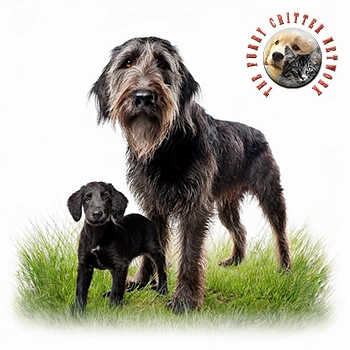
The adult Otterhound typically reaches full physical and behavioral maturity between two and three years of age, entering a prime period that can extend to approximately seven or eight years. During these years, the foundation you build through consistent veterinary care, appropriate nutrition, and regular exercise will largely determine your dog's quality of life in the senior years ahead. Treat this period as an investment in long-term health rather than a time to coast on the assumption that a young, healthy dog needs minimal attention.

Annual wellness examinations should include a thorough physical assessment, blood work to establish baseline values, urinalysis, and a fecal parasite check. Your veterinarian may also recommend periodic screening for conditions that are more common in the breed, including hip dysplasia and bloat susceptibility. Baseline blood panels taken during the prime years become invaluable reference points when changes emerge later in life, allowing your veterinarian to detect subtle shifts that might otherwise go unnoticed.

Parasite prevention remains important throughout adulthood. Year-round heartworm prevention is essential in most regions, and flea and tick control protects against both discomfort and tick-borne diseases. Your veterinarian can recommend a prevention protocol appropriate for your geographic area and your dog's lifestyle, whether that involves primarily indoor living or extensive outdoor adventures.

Vaccination schedules transition from the frequent puppy series to adult boosters administered at intervals determined by your veterinarian. Core vaccinations are maintained on a regular schedule, while non-core vaccines are administered based on risk factors such as boarding, travel, and exposure to wildlife. Keep vaccination records organized and accessible, as they are often required for boarding facilities, training classes, and travel.

Nutrition at Maturity

An adult Otterhound's dietary needs differ significantly from those of a growing puppy. The high-calorie, nutrient-dense puppy formulation should have been replaced by a quality adult maintenance food by eighteen months or so, and the focus now shifts to maintaining a healthy body weight and providing balanced nutrition that supports sustained energy without promoting obesity. Otterhounds can be enthusiastic eaters with a talent for convincing their owners that they are perpetually underfed, so measured portions and consistent feeding times are important.

Feed twice daily rather than once to reduce the risk of gastric dilatation-volvulus, commonly known as bloat, which is a life-threatening emergency that disproportionately affects large, deep-chested breeds like the Otterhound. Additional bloat-prevention measures include avoiding vigorous exercise for at least an hour before and after meals, using a slow-feeder bowl if the dog eats too quickly, and keeping stress levels low during meal times.

Body condition should be assessed regularly by feeling the ribs and observing the dog's profile. You should be able to feel the ribs easily under a thin layer of covering without pressing hard, and there should be a visible waist when viewed from above. An Otterhound carrying excess weight faces increased risk of joint problems, cardiovascular strain, and reduced lifespan. If your dog is trending toward overweight, consult your veterinarian about adjusting portions or switching to a lower-calorie formulation before the problem becomes entrenched.

Fresh water should be available at all times. Some Otterhounds are messy drinkers thanks to their bearded muzzles, so consider placing water bowls on absorbent mats and refreshing the water several times daily. Adequate hydration supports kidney function, digestion, and overall cellular health.

Exercise & Fitness

The adult Otterhound is a dog of considerable stamina and athleticism, built for sustained physical effort rather than explosive speed. Daily exercise should reflect this heritage, with a combination of long walks, swimming opportunities, and scent-based activities that engage both body and mind. Most adult Otterhounds benefit from at least sixty to ninety minutes of exercise per day, distributed across two or more sessions.

Swimming is arguably the ideal exercise for this breed. With their webbed feet, waterproof double coat, and natural affinity for water, Otterhounds take to swimming with an enthusiasm that few other breeds can match. If you have access to safe, clean bodies of water, regular swimming sessions provide excellent cardiovascular conditioning with minimal stress on joints. Always supervise water activities, even with a breed that swims well, and be mindful of water temperature, currents, and potential hazards.

Scent work and tracking activities tap directly into the Otterhound's deepest instincts and provide mental stimulation that physical exercise alone cannot replicate. You can lay simple scent trails in your yard using treats or scented articles, gradually increasing the complexity and length of the trail as the dog's skills develop. Formal tracking programs and nose work classes offer structured training that many Otterhounds find deeply rewarding.

Despite their exercise needs, adult Otterhounds are generally calm and relaxed indoors once their energy has been appropriately channeled. A well-exercised Otterhound is content to lounge on its bed or follow its owner around the house. An under-exercised one may resort to destructive behaviors, excessive vocalization, or restless pacing. Recognizing your dog's signals and adjusting the exercise routine accordingly helps maintain a harmonious household.

Preventive Health Care

Proactive health management during the adult years focuses on preventing problems before they develop and catching emerging issues at their earliest, most treatable stages. The Otterhound, while generally a robust breed, has several health considerations that warrant ongoing attention. Hip dysplasia, elbow dysplasia, and bloat are among the more significant concerns, and your veterinarian can advise on screening and monitoring protocols appropriate for your individual dog.

Bloat awareness is particularly important for Otterhound owners. Learn to recognize the signs of gastric dilatation-volvulus, which include a distended abdomen, unproductive retching, restlessness, excessive drooling, and signs of pain. This condition progresses rapidly and is fatal without emergency surgical intervention. Discuss prophylactic gastropexy with your veterinarian, a procedure that can be performed during spay or neuter surgery to tack the stomach to the abdominal wall and dramatically reduce the risk of torsion.

Skin and ear health deserve regular attention in the Otterhound. The breed's long, pendulous ears create a warm, moist environment that is conducive to bacterial and yeast infections. Check and clean the ears weekly, and contact your veterinarian if you notice redness, odor, discharge, or excessive head shaking. The dense double coat can harbor moisture and debris, particularly in dogs that swim frequently, so thorough drying after water activities helps prevent skin irritation and hot spots.

Maintain current records of all health screenings, vaccinations, and any treatments or medications your dog has received. A comprehensive health history is invaluable for continuity of care, particularly if you need to visit an emergency clinic or transition to a new veterinary practice.

Behavioral Maturity

By two to three years of age, the Otterhound's temperament has largely settled into its adult form. The breed is known for its amiable, even-tempered disposition, and a well-socialized adult Otterhound is typically friendly with people, tolerant of children, and generally agreeable with other dogs. However, the independent streak that is central to the breed's character remains firmly in place. An adult Otterhound will often consider a command, weigh its options, and then decide whether compliance aligns with its current priorities.

This independence should not be confused with a lack of intelligence or bond with the owner. Otterhounds are deeply loyal and affectionate dogs that form strong attachments to their families. They simply express that bond differently than breeds that were developed for close, handler-directed work. Understanding and accepting this temperament allows you to build a relationship based on mutual respect rather than frustration over unmet expectations of instant obedience.

The Otterhound's voice is a notable characteristic that deserves mention. This breed possesses a deep, melodious bay that carries over considerable distances, a trait that served it well in its original role as a pack hound. Some Otterhounds are more vocal than others, and triggers can include excitement, boredom, the arrival of visitors, or the detection of interesting scents. While the bay is part of the breed's charm, it can be a source of friction with neighbors, particularly in suburban or urban settings. Training a reliable quiet command and ensuring adequate exercise and mental stimulation help manage vocalization.

Continued training throughout adulthood keeps the Otterhound mentally engaged and reinforces the communication patterns between dog and owner. Even if formal obedience is not your goal, regular short training sessions using positive methods maintain responsiveness and provide structured interaction that strengthens the bond.

Dental & Grooming

Dental care is a frequently overlooked aspect of adult dog maintenance that has significant implications for overall health. Periodontal disease is one of the most common conditions in adult dogs and can lead to pain, tooth loss, and bacterial spread to the heart, liver, and kidneys. Establish a regular dental hygiene routine that includes brushing your Otterhound's teeth several times per week with a canine-specific toothpaste. Annual professional dental cleanings performed under anesthesia allow your veterinarian to assess and address issues below the gumline that home care cannot reach.

The Otterhound's coat is one of its most distinctive features and requires consistent grooming to keep it healthy and functional. The rough, double coat should be brushed thoroughly at least two to three times per week to prevent matting, remove loose undercoat, and distribute natural oils. Pay particular attention to the areas behind the ears, under the legs, and around the hindquarters, where mats tend to form most readily. Some owners opt for periodic hand-stripping to maintain coat texture, while others prefer a more casual approach with regular brushing and occasional trimming.

The beard and facial furnishings are magnets for food, water, and debris. Wipe the beard after meals and water breaks to prevent odor, staining, and skin irritation beneath the hair. Some owners find it helpful to trim the beard to a manageable length, particularly during warmer months or if the dog is prone to skin infections in the facial area.

Nail trimming should occur every two to four weeks, or as needed to prevent overgrowth that can alter gait and cause discomfort. If you can hear the nails clicking on hard floors, they are overdue for a trim. Regular handling of the feet from an early age makes nail maintenance far less stressful for both the dog and the owner. If you are uncomfortable trimming nails yourself, a groomer or veterinary technician can perform this service.

Always consult a qualified professional before making any health-related decisions. This content is provided for informational reference only and should not replace professional guidance specific to your animal.