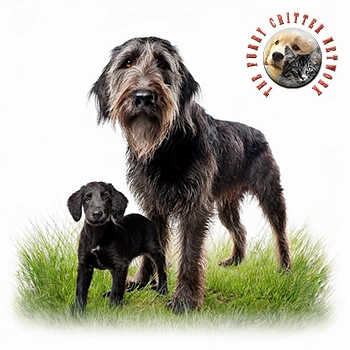

When Does Senior Begin?

For a large breed like the Otterhound, the senior classification generally begins around seven to eight years of age. This is earlier than many owners expect, particularly those accustomed to smaller breeds that may not show signs of aging until ten or twelve years. The reality is that larger dogs age more rapidly at a cellular level, and proactive adjustments to care during the transition from adult to senior can significantly influence the dog's comfort and longevity.

The onset of senior status is not always marked by dramatic changes. Early signs can be subtle and easily dismissed as laziness or a natural slowing down. Your Otterhound may take a bit longer to rise from a resting position, show less enthusiasm for extended walks, sleep more during the day, or appear stiff after vigorous activity. These are not simply signs of a dog getting older; they are signals that the body's needs are changing and that your approach to care should change with them.

Transitioning to a senior wellness protocol means increasing veterinary visits to twice per year rather than annually. Semi-annual examinations allow your veterinarian to monitor emerging conditions more closely and catch problems at stages when intervention is most effective. Senior blood panels, thyroid screening, and urinalysis become standard components of these visits, providing a detailed picture of internal organ function that physical examination alone cannot reveal.

Accepting that your Otterhound is entering a new life stage is emotionally important as well. Many owners struggle with the realization that their once-tireless companion is slowing down. Shifting your mindset from maintaining peak performance to maximizing comfort and quality of life allows you to make decisions that truly serve your dog's best interests rather than resisting the inevitable changes of aging.

Mobility & Joint Health

Joint deterioration is one of the most common and impactful changes in senior Otterhounds. The breed's large frame places significant load on joints throughout life, and years of activity can lead to arthritis, particularly in the hips, elbows, and spine. Early signs include reluctance to climb stairs, difficulty jumping into vehicles, a shortened stride, and stiffness that is most noticeable after rest and improves with gentle movement.

Your veterinarian can develop a multimodal pain management plan that may include joint supplements, anti-inflammatory medications, and physical rehabilitation. Supplements containing glucosamine and chondroitin sulfate are commonly recommended as supportive measures for joint health, though their effects vary between individual dogs. Prescription pain medications should be used under veterinary supervision with appropriate monitoring of liver and kidney function through periodic blood work.

Environmental modifications can dramatically improve a senior Otterhound's daily comfort. Orthopedic beds that support aging joints, ramps for accessing vehicles or elevated surfaces, non-slip rugs on hard flooring to prevent sliding, and raised food and water bowls that reduce neck strain are all practical adjustments that require minimal effort but yield meaningful benefits. Consider the layout of your home from your dog's perspective and identify areas where simple changes could reduce physical stress.

Gentle, consistent exercise remains important for senior dogs. While the duration and intensity should be reduced compared to the adult years, regular movement helps maintain muscle mass, supports joint flexibility, and contributes to mental wellbeing. Short, frequent walks on soft surfaces are preferable to long outings. Swimming continues to be an excellent low-impact option for Otterhounds that still enjoy the water, providing exercise without the jarring impact of land-based activity.

Cognitive Changes

Canine cognitive dysfunction is a condition analogous to dementia in humans, and it affects a significant percentage of dogs over the age of ten. Symptoms can include disorientation in familiar environments, changes in sleep-wake cycles such as nighttime restlessness or pacing, decreased interaction with family members, house soiling in a previously reliable dog, and apparent confusion or anxiety in situations that were once routine.

If you notice any of these changes in your senior Otterhound, bring them to your veterinarian's attention promptly. Early intervention with dietary adjustments, supplements that support brain health, environmental enrichment, and in some cases medication can help slow the progression of cognitive decline. Your veterinarian can also rule out other medical conditions that may mimic cognitive dysfunction, such as pain, sensory loss, urinary tract infections, or metabolic disorders.

Mental stimulation remains valuable for the aging Otterhound's brain. Continue to offer puzzle toys, gentle scent games, and novel experiences appropriate for the dog's physical abilities. Even brief training sessions that review familiar commands or teach simple new ones provide cognitive engagement that supports neural health. The key is to adjust the complexity and duration to the dog's current capacity rather than expecting the same performance as in younger years.

Maintaining a consistent daily routine provides a framework of predictability that helps the cognitively declining dog navigate its day with less anxiety. Keep furniture in the same positions, maintain regular feeding and walking schedules, and minimize unnecessary disruptions to the household routine. Night lights in hallways and rooms where the dog spends time can help with nighttime disorientation, and a predictable bedtime routine may reduce nocturnal restlessness.

Nutrition for Aging

The nutritional needs of a senior Otterhound differ from those of an adult in several important ways. Metabolic rate decreases with age, which means caloric requirements drop even as the tendency to gain weight increases. Transitioning to a senior-formulated food that provides adequate protein for muscle maintenance, reduced calories to prevent obesity, and enhanced levels of joint-supporting nutrients is a practical step that addresses multiple aging-related concerns simultaneously.

Protein quality matters more than ever in the senior diet. Older dogs need sufficient high-quality protein to maintain lean muscle mass, which is essential for mobility and metabolic health. The outdated advice to restrict protein in senior dogs has been largely abandoned except in cases of specific kidney disease diagnosed through blood work and urinalysis. Your veterinarian can guide protein levels based on your dog's individual health status.

Appetite changes are common in aging dogs. Some senior Otterhounds become pickier eaters, while others may show increased appetite due to metabolic shifts or medication effects. If your dog's appetite decreases, warming the food slightly to enhance aroma, offering smaller and more frequent meals, or adding a small amount of warm water or low-sodium broth can encourage eating. Persistent appetite loss warrants veterinary investigation, as it can signal dental pain, gastrointestinal issues, or other underlying conditions.

Hydration becomes increasingly important as kidney function may decline with age. Monitor your dog's water intake and note any significant increases or decreases, both of which can indicate health changes. Some owners add water to their senior dog's food to ensure adequate fluid intake, particularly if the dog has transitioned to dry kibble from a previously mixed diet.

Increased Veterinary Care

Semi-annual veterinary visits form the backbone of senior health management, but additional appointments may be necessary as conditions emerge or evolve. Senior Otterhounds benefit from comprehensive wellness panels that include complete blood count, biochemistry profiles, thyroid function testing, and urinalysis. These tests can reveal early-stage kidney disease, liver dysfunction, hormonal imbalances, and other conditions that may not yet be producing visible symptoms.

Dental health often deteriorates in senior dogs and can become a source of significant pain and systemic health consequences. Professional dental cleanings under anesthesia carry slightly higher risk in older patients, which makes a thorough pre-anesthetic evaluation essential. However, the risks of untreated dental disease, including chronic infection, tooth loss, difficulty eating, and bacterial spread to major organs, generally outweigh the anesthetic risk in an otherwise stable patient. Discuss the cost-benefit analysis with your veterinarian based on your dog's specific health profile.

Cancer screening becomes an important component of senior veterinary care. Large breeds face elevated cancer risk, and early detection dramatically affects treatment outcomes and quality of life. Report any new lumps, bumps, or masses to your veterinarian promptly, and do not assume that a lump is benign simply because it appears small or grows slowly. Fine-needle aspirate cytology is a minimally invasive procedure that can provide preliminary information about the nature of a mass and guide further diagnostic decisions.

Medication management may become more complex as a senior Otterhound accumulates prescriptions for joint health, pain management, organ support, or other conditions. Keep a current medication list including dosages and schedules, and inform your veterinarian of all supplements and over-the-counter products you are administering. Drug interactions are a real concern in multi-medication patients, and your veterinarian needs a complete picture to prescribe safely.

Quality of Life Assessment

Evaluating quality of life in a senior Otterhound is an ongoing process that requires honest observation and a willingness to separate your emotional attachment from objective assessment. Several validated quality-of-life scales are available that evaluate factors such as pain, hunger, hydration, hygiene, happiness, mobility, and the overall ratio of good days to bad days. Familiarizing yourself with these frameworks early in the senior years provides a structured approach to a deeply emotional subject.

Pain assessment in dogs can be challenging because many breeds, including the stoic Otterhound, are skilled at masking discomfort. Look beyond obvious signs like limping or crying and pay attention to subtle indicators such as decreased enthusiasm for previously enjoyed activities, changes in facial expression, reluctance to be touched in certain areas, altered posture, or withdrawal from family interaction. Your veterinarian can perform targeted pain assessments and recommend appropriate management strategies.

The concept of dignity is worth considering as your Otterhound ages. A dog that can no longer maintain basic hygiene, that struggles with incontinence, or that seems confused and distressed by its own limitations may be experiencing a diminished quality of life even if it still eats and drinks. There is no single threshold that defines the line between acceptable and unacceptable quality of life; it is a deeply individual determination that depends on the dog's temperament, the owner's capacity to provide supportive care, and the veterinarian's medical assessment.

Maintaining open communication with your veterinarian throughout the senior years ensures that you have professional guidance when difficult decisions arise. Many veterinarians are willing to discuss end-of-life planning well in advance of an immediate crisis, and these conversations are far more productive when they occur in a calm, non-urgent setting. Knowing your options and having a plan in place reduces the burden of decision-making during an emotionally overwhelming time.

Always consult a qualified professional before making any health-related decisions. This content is provided for informational reference only and should not replace professional guidance specific to your animal.