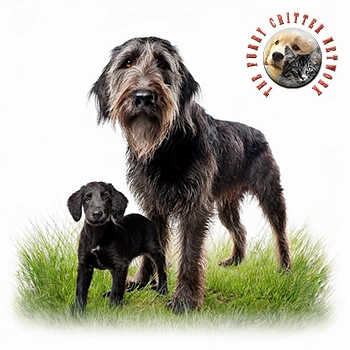

Growth & Physical Development

The Otterhound's adolescent period is marked by substantial and sometimes uneven physical growth. Between three and twelve months of age, these puppies undergo dramatic changes in height, weight, and proportion. It is common for an Otterhound to appear gangly and awkward during this stage, with legs that seem too long for the body and paws that look oversized. This is entirely normal for a large breed that takes eighteen to twenty-four months to reach full physical maturity.

Growth plates in large breeds like the Otterhound remain open longer than in smaller dogs, which has important implications for exercise and activity levels during this period. High-impact activities such as sustained jogging on hard surfaces, repetitive jumping, and rough play with much larger dogs can damage developing joints and bones. Controlled, moderate exercise that allows the puppy to set its own pace is the safest approach until growth plates close, which your veterinarian can confirm through radiographs if needed.

Expect rapid weight gain during the first six months, followed by a more gradual filling-out phase that continues well into the second year. Male Otterhounds typically reach eighty to one hundred fifteen pounds at maturity, while females tend to be somewhat lighter. Regular weigh-ins and body condition assessments help ensure that growth is proceeding at a healthy rate without excessive weight that could stress developing skeletal structures.

The Otterhound's distinctive double coat begins to develop its adult texture during adolescence. The rough, dense outer coat and softer undercoat require regular grooming attention from an early age so that the dog becomes accustomed to brushing, combing, and occasional hand-stripping. Establishing grooming routines now prevents struggles later when the coat is fully mature and requires more intensive maintenance.

Nutrition & Diet Transition

Feeding a growing Otterhound requires careful attention to caloric intake and nutrient balance. Large-breed puppy formulas are specifically designed to support steady growth without the excess calcium and calorie density that can contribute to developmental orthopedic problems. Choose a food that meets the nutritional guidelines established for large-breed puppies and follow the manufacturer's feeding recommendations as a starting point, adjusting portions based on your individual puppy's body condition.

Most Otterhound puppies thrive on three meals per day until approximately six months of age, at which point the transition to twice-daily feeding can begin. Consistent meal times help regulate digestion and make housetraining more predictable. Avoid free-feeding, which makes it difficult to monitor intake and can contribute to obesity in a breed that is naturally food-motivated.

The transition from puppy food to adult food typically occurs between twelve and eighteen months, though the exact timing depends on your dog's growth trajectory and your veterinarian's assessment. Make the switch gradually over seven to ten days, blending increasing proportions of adult food with decreasing amounts of puppy food to minimize digestive upset. Sudden dietary changes can cause loose stools, gas, and decreased appetite.

Treats and training rewards should be factored into the daily caloric total to prevent overfeeding. Many adolescent Otterhounds will eat enthusiastically and appear perpetually hungry, but maintaining a lean body condition during growth protects long-term joint and metabolic health. Your veterinarian can help you determine the ideal weight range for your puppy at each stage of development.

Behavioral Changes

Adolescence in the Otterhound brings a fascinating and sometimes challenging shift in behavior. The compliant, eager-to-please puppy of eight weeks may become a more independent, easily distracted, and occasionally stubborn young dog by six months. This is not a training failure but a normal developmental phase driven by hormonal changes, increased confidence, and the breed's inherent independent streak as a scenthound.

Otterhounds were bred to work in packs and follow scent trails with determination, and these instincts become increasingly apparent during adolescence. A juvenile Otterhound that catches an interesting scent may become completely deaf to recall commands, pulling hard on the leash or bolting if given the opportunity. Understanding that this behavior is rooted in breed purpose rather than defiance helps frame the appropriate training response, which should emphasize management and positive reinforcement rather than punishment.

Chewing often intensifies during adolescence as adult teeth emerge and the puppy explores the world through its mouth. Provide a generous selection of durable, appropriately sized chew toys and rotate them regularly to maintain interest. Redirect chewing away from furniture, shoes, and household items consistently, and puppy-proof the environment to prevent access to dangerous objects.

Some adolescent Otterhounds begin testing boundaries with other dogs, displaying posturing, resource guarding, or rough play that exceeds appropriate limits. Monitor interactions closely and intervene calmly when play escalates. Socialization should continue throughout this period with a focus on positive experiences that reinforce good manners and appropriate communication with other dogs.

Training Priorities

Training an adolescent Otterhound requires patience, consistency, and a realistic understanding of the breed's temperament. Otterhounds are intelligent but independently minded, which means they are fully capable of learning commands and equally capable of deciding that a particular scent is more interesting than your request. Positive reinforcement methods using high-value food rewards tend to produce the best results with this food-motivated breed.

Reliable recall is perhaps the single most important skill to develop, and also one of the most challenging with a scenthound. Begin training recall in low-distraction environments and gradually increase difficulty. Use a long training lead in unfenced areas to prevent self-rewarding escapes and practice recall frequently with generous rewards. Accept that off-leash reliability in uncontrolled environments may never be fully achievable with this breed, and plan management strategies accordingly.

Leash manners deserve focused attention given the Otterhound's size and strength. A juvenile that pulls on the leash is manageable at forty pounds but dangerous at one hundred pounds. Consistent reinforcement of loose-leash walking, combined with appropriate equipment such as a front-clip harness, builds habits that make daily walks pleasant rather than an endurance event for the handler.

Crate training, if not already established, should be introduced gently and maintained throughout adolescence. A properly sized crate provides a safe retreat, aids in housetraining, and prevents destructive behavior when the dog cannot be supervised. Make the crate a positive space with comfortable bedding and occasional treats, never using it as punishment.

Exercise & Activity

The adolescent Otterhound possesses considerable energy and stamina, reflecting its heritage as a dog bred to trail otters through rivers and across rough terrain for hours at a time. However, exercise during the growth phase must be managed thoughtfully to protect developing joints and bones. Short, varied outings are preferable to long, repetitive sessions. Swimming is an excellent option for Otterhounds, who are natural water dogs with webbed feet, as it provides cardiovascular exercise with minimal joint impact.

Mental stimulation is equally important for this intelligent breed. Nose work games, puzzle feeders, and scent trails laid around the yard or home engage the Otterhound's primary talent and provide satisfying enrichment that physical exercise alone cannot match. A mentally tired Otterhound is far less likely to engage in destructive behavior than one that has been physically exhausted but intellectually bored.

Structured play with other dogs of similar size and energy level provides both exercise and continued socialization. Avoid dog parks during peak hours when crowds and unpredictable dogs may create negative experiences. Instead, arrange play dates with known, compatible dogs in secure environments where the Otterhound can run, wrestle, and interact safely.

As the dog approaches twelve months and beyond, exercise duration and intensity can be gradually increased. Continue to avoid sustained high-impact activities until your veterinarian confirms that growth plates have closed. Once the skeletal system is mature, the Otterhound can begin participating in more demanding activities such as hiking over varied terrain, extended swimming sessions, and structured conditioning exercises.

Spay/Neuter Considerations

The decision about when to spay or neuter an Otterhound involves balancing multiple health factors, and the conversation with your veterinarian should be informed and individualized. Current research suggests that early spay or neuter in large breeds may increase the risk of certain orthopedic conditions, including cranial cruciate ligament tears and hip dysplasia, as well as some cancers. These findings have led many veterinary professionals to recommend delaying the procedure in large breeds until after growth plate closure.

For male Otterhounds, waiting until at least eighteen months of age allows testosterone to support proper musculoskeletal development before removal of the hormone source. Some owners and veterinarians opt to delay even further or to explore alternatives such as vasectomy, which eliminates fertility without removing the hormonal influence. Each approach carries its own set of benefits and considerations that should be discussed in the context of your specific dog's health and living situation.

Female Otterhounds present additional considerations related to heat cycles and the risk of pyometra, a potentially life-threatening uterine infection. Delaying spay means managing heat cycles, which typically occur every six to twelve months and last approximately three weeks. During this time, the female must be securely contained to prevent unplanned breeding. Some veterinarians recommend spaying after the first heat cycle to allow initial hormonal development while reducing long-term reproductive health risks.

Regardless of timing, the decision should be made collaboratively with your veterinarian, taking into account your dog's individual health profile, your ability to manage an intact animal responsibly, and the broader implications for the breed given the Otterhound's status as one of the rarest dog breeds in the world.

Socialization & Exposure

Continued socialization throughout the juvenile period is essential for producing a well-rounded adult Otterhound. While the critical socialization window closes around twelve to sixteen weeks of age, the experiences and exposures that occur during adolescence reinforce and expand upon that early foundation. An adolescent Otterhound that stops encountering new people, places, and situations may become less confident or more reactive as it matures.

Take your Otterhound to a variety of environments, including pet-friendly stores, outdoor markets, neighborhood walks along different routes, and calm public spaces. The goal is to build a broad repertoire of positive experiences that teach the dog that the world is generally a safe and interesting place. Allow the dog to observe at a comfortable distance before approaching novel stimuli, and reward calm, curious behavior with praise and treats.

Expose the adolescent Otterhound to grooming procedures, veterinary handling, nail trimming, ear cleaning, and bathing on a regular basis. These experiences should be paired with positive reinforcement so that the dog develops tolerance and eventually acceptance of routine care. An adult Otterhound that resists handling is a significant challenge given the breed's size and strength, so building cooperative behavior during the more manageable juvenile period is a worthwhile investment.

Travel socialization is also valuable. Short car rides to enjoyable destinations help the dog associate vehicle travel with positive outcomes. Practice calm behavior in the car, provide secure restraint with a crash-tested crate or harness, and gradually extend the duration and variety of trips. An Otterhound that travels well opens up far more possibilities for shared adventures and activities with its owner.

Always consult a qualified professional before making any health-related decisions. This content is provided for informational reference only and should not replace professional guidance specific to your animal.