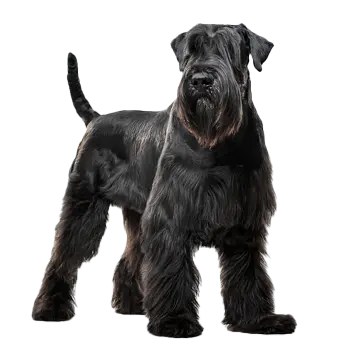

Peak Health Maintenance

The adult Giant Schnauzer, typically reaching full physical and mental maturity between two and three years of age, is an impressive animal at the height of its powers. This is a muscular, athletic breed that thrives when its body is kept in peak condition through attentive daily care and consistent health management. The habits and routines established during the adult years lay the foundation for how gracefully the dog will age.

Annual veterinary examinations are the cornerstone of adult health maintenance. During these visits, the veterinarian will perform a thorough physical examination, update vaccinations as needed, check for parasites, and screen for early signs of conditions that are known to affect the breed. Blood work and urinalysis can establish baseline values that will be invaluable for comparison as the dog enters its senior years.

Weight management is a critical component of health maintenance for the adult Giant Schnauzer. Despite their robust frame, these dogs can become overweight if their caloric intake is not matched to their activity level. Excess weight places strain on joints and organs and has been shown to shorten lifespan in dogs. Owners should be able to feel the dog's ribs without pressing hard and should see a discernible waist when viewed from above.

Parasite prevention should continue year-round throughout the adult years. Heartworm prevention, flea and tick control, and periodic deworming protect the dog from a range of potentially serious illnesses. Your veterinarian can recommend a prevention protocol tailored to the parasites prevalent in your geographic area and your dog's lifestyle.

Nutrition at Maturity

Once the Giant Schnauzer has finished growing, its nutritional needs shift from growth support to maintenance and sustained energy. A high-quality adult dog food formulated for large breeds provides the appropriate balance of protein, fat, carbohydrates, vitamins, and minerals to keep the dog in optimal condition. The specific caloric needs of an individual Giant Schnauzer will depend on factors such as activity level, metabolism, and whether the dog is intact or spayed or neutered.

Most adult Giant Schnauzers do well on two measured meals per day. This feeding schedule supports stable energy levels and helps prevent bloat, a serious and potentially life-threatening condition to which deep-chested breeds like the Giant Schnauzer are particularly susceptible. Feeding from an elevated bowl, limiting vigorous exercise immediately before and after meals, and avoiding rapid eating are all strategies that may help reduce bloat risk.

Treats and supplements should be incorporated thoughtfully. Treats are a valuable training tool, but they should comprise no more than ten percent of the dog's total daily caloric intake. Joint-supporting supplements containing glucosamine and omega-3 fatty acids may benefit large-breed adults, particularly those that are active in sports or work. Any supplementation should be discussed with your veterinarian to ensure it complements the dog's overall diet.

Fresh, clean water should be available at all times. Giant Schnauzers are active dogs that can become dehydrated quickly, especially after exercise or in warm weather. Monitoring water intake is also a useful health indicator, as sudden increases or decreases in drinking can signal underlying medical issues.

Exercise & Fitness

The adult Giant Schnauzer is a high-energy breed that requires substantial daily exercise to remain physically fit and mentally satisfied. A minimum of one to two hours of activity per day is typical for most adult Giant Schnauzers, though individual dogs with particularly high drive may require even more. Insufficient exercise almost invariably leads to behavioral problems, including destructive chewing, excessive barking, and restlessness.

Variety in exercise is key to keeping the Giant Schnauzer engaged. Long walks and hikes form a solid foundation, but the breed truly excels when given opportunities for more challenging activities. Running alongside a bicycle, swimming, playing structured fetch games, and participating in canine sports such as agility, obedience trials, tracking, or protection work all provide the combination of physical exertion and mental engagement that this breed craves.

Off-leash exercise should only occur in securely fenced areas or in environments where the dog's recall is absolutely reliable. The Giant Schnauzer's strong prey drive and territorial instincts mean that an off-leash dog in an unfenced area can present management challenges. Even well-trained individuals may give chase to wildlife or become reactive when encountering unfamiliar dogs at close range.

Rest and recovery are also important, particularly for dogs engaged in demanding physical activities. Providing a comfortable resting area, ensuring adequate hydration after exercise, and monitoring for signs of overexertion such as excessive panting, limping, or reluctance to move help keep the dog performing at its best without risking injury.

Preventive Health Care

Preventive care for the adult Giant Schnauzer goes beyond annual checkups and vaccinations to include proactive monitoring for breed-specific health concerns. Giant Schnauzers can be predisposed to hip dysplasia, certain eye conditions, autoimmune thyroiditis, and bloat, among other issues. Awareness of these risks allows owners and veterinarians to catch problems early, when intervention is most effective.

Hip and elbow evaluations, either through radiographic screening or clinical assessment, are particularly relevant for this breed. Dogs that were screened as part of a responsible breeding program may have certification from recognized orthopedic registries, but ongoing monitoring for signs of joint discomfort or mobility changes remains important throughout the adult years. Maintaining a healthy weight and providing joint-supporting nutrition are the best everyday defenses against orthopedic deterioration.

Thyroid function should be checked periodically, as autoimmune thyroiditis can develop during the adult years. Symptoms can be subtle and include lethargy, weight gain, coat changes, and skin issues. A simple blood test can assess thyroid hormone levels, and the condition is typically manageable with daily medication once diagnosed.

Eye examinations by a veterinary ophthalmologist are also recommended, as the breed can be affected by progressive retinal atrophy and other inherited eye conditions. Early detection does not always lead to a cure, but it allows owners to make informed management decisions and to adjust the dog's environment as needed.

Behavioral Maturity

By two to three years of age, the Giant Schnauzer's temperament has largely settled into its adult form. The impulsive adolescent energy gives way to a more measured, confident demeanor, though the breed retains a spirited and sometimes willful personality throughout its life. Owners who invested in thorough training and socialization during the formative months will see the dividends of that work in the adult dog's reliability and composure.

The adult Giant Schnauzer is typically deeply bonded to its family and may display strong protective instincts. This guarding tendency is a hallmark of the breed and is one of its most valued traits, but it requires responsible management. The dog should be able to distinguish between genuine threats and normal, everyday visitors or activities. Continued socialization and clear, consistent leadership from the owner help the dog make appropriate decisions.

Mental stimulation remains a priority throughout the adult years. Giant Schnauzers that are left without adequate mental engagement can develop undesirable behaviors out of sheer boredom. Ongoing training, whether through formal classes, at-home skill-building, or participation in organized canine activities, keeps the dog's mind sharp and strengthens the bond between dog and owner.

Some adult Giant Schnauzers may exhibit same-sex aggression or resource guarding, particularly if these tendencies were not addressed during adolescence. These behaviors can usually be managed with consistent training, environmental management, and, in some cases, guidance from a qualified behaviorist. Understanding and accepting the breed's natural tendencies, while working to channel them appropriately, is the hallmark of a knowledgeable Giant Schnauzer owner.

Dental & Grooming

The Giant Schnauzer's distinctive wiry coat requires regular, dedicated grooming to maintain both its appearance and the dog's skin health. The breed has a double coat consisting of a harsh outer layer and a softer, dense undercoat. Without consistent attention, the coat can become matted, trapping moisture and debris against the skin and creating an environment for irritation and infection.

Hand-stripping is the traditional grooming method for Giant Schnauzers and involves removing dead outer coat by hand rather than clipping it. This technique preserves the coat's proper texture and color, though it is time-consuming and requires skill. Many pet owners opt for professional clipping as a more practical alternative, which is perfectly acceptable for dogs that are not being shown. Regardless of the method, the coat should be groomed thoroughly every six to eight weeks, with regular brushing at least two to three times per week in between appointments.

The beard and leg furnishings that give the Giant Schnauzer its characteristic look require daily attention. The beard can trap food and water, becoming a breeding ground for bacteria if not kept clean. Wiping the beard after meals and checking for tangles or debris keeps this area hygienic. The leg furnishings should be combed regularly to prevent matting.

Dental care is an often-overlooked aspect of adult dog maintenance that has significant implications for overall health. Periodontal disease is one of the most common health issues in adult dogs and can lead to pain, tooth loss, and systemic infections affecting the heart, liver, and kidneys. Daily tooth brushing with a canine-specific toothpaste is the gold standard, supplemented by professional dental cleanings as recommended by your veterinarian. Dental chews and water additives can provide additional support but should not replace brushing.

Always consult a qualified professional before making any health-related decisions. This content is provided for informational reference only and should not replace professional guidance specific to your animal.