
Breeding Readiness

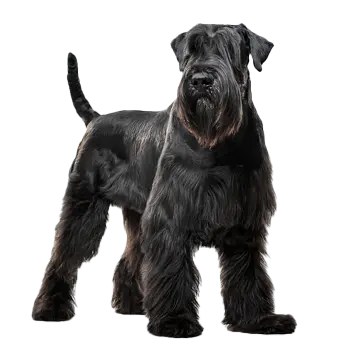
Breeding a Giant Schnauzer is a significant undertaking that should begin long before any mating takes place. The decision to breed must be grounded in a thorough understanding of the breed standard, a commitment to improving the breed, and a willingness to invest the time, resources, and emotional energy that responsible breeding demands. Simply owning a dog of breeding age does not constitute readiness.

Health testing is the non-negotiable first step in evaluating breeding readiness. Both the prospective sire and dam should undergo comprehensive health screenings recommended for the breed. For Giant Schnauzers, this typically includes hip and elbow evaluations, thyroid testing, eye examinations by a board-certified veterinary ophthalmologist, and cardiac screening. Only dogs that have passed these evaluations with satisfactory results should be considered for breeding.

Beyond physical health, temperament must be carefully evaluated. The Giant Schnauzer is a working breed with strong guarding instincts, and breeding dogs with unstable, excessively fearful, or inappropriately aggressive temperaments does a disservice to the breed and to the families who will welcome those puppies into their homes. Both parents should demonstrate the confident, loyal, and trainable disposition that defines the breed at its best.

Age is another important consideration. Female Giant Schnauzers should not be bred before they have reached full physical maturity, generally no earlier than two years of age. Males should also be fully mature before being used at stud. Breeding too young can compromise the health of the parent and produce less vigorous offspring. Most breed clubs and registries have minimum age requirements that responsible breeders adhere to as a baseline.

The Heat Cycle

Understanding the female Giant Schnauzer's reproductive cycle is essential for timing a breeding correctly. Female dogs typically experience their first heat cycle between six and twelve months of age, though Giant Schnauzers, as a larger breed, may not cycle for the first time until closer to ten to fourteen months. Most females cycle approximately every six to eight months thereafter, though individual variation is common.

The heat cycle consists of four stages: proestrus, estrus, diestrus, and anestrus. Proestrus, lasting roughly seven to ten days, is characterized by vulvar swelling and a bloody discharge. The female will attract males during this phase but will typically refuse mating attempts. Estrus follows and lasts approximately seven to ten days, during which the discharge lightens in color and the female becomes receptive to the male. Ovulation occurs during estrus, and this is the window for successful breeding.

Precise timing of breeding is critical for maximizing the chances of conception. Many experienced breeders and reproductive veterinarians use progesterone testing to pinpoint the optimal breeding window. Blood progesterone levels rise predictably in relation to ovulation, and serial testing every two to three days during the early estrus period provides the most reliable timing data. This approach is far more accurate than relying on behavioral cues alone.

Record-keeping throughout the heat cycle is invaluable. Documenting the first day of bleeding, changes in discharge color and volume, the female's behavior toward males, and progesterone test results creates a detailed picture that informs breeding decisions for the current cycle and provides reference data for future cycles.

Pregnancy & Gestation

The gestation period for Giant Schnauzers, as with all domestic dogs, is approximately 63 days from the date of ovulation. However, because breeding dates do not always correspond exactly to ovulation, the apparent gestation length can range from 58 to 68 days depending on when mating occurred relative to the fertile window. Progesterone-based ovulation timing provides the most accurate estimate of the expected whelping date.

Confirmation of pregnancy can be accomplished through several methods. Ultrasound examination, typically performed around 25 to 30 days after breeding, can confirm the presence of viable embryos and estimate litter size, though counts at this stage are not always precise. Abdominal radiographs taken after approximately 45 days of gestation provide a more accurate puppy count, as the fetal skeletons have calcified enough to be visible on film. Knowing the expected litter size helps the breeder prepare for whelping and identify potential complications.

Nutritional management during pregnancy requires careful attention. During the first four to five weeks, the pregnant Giant Schnauzer can continue eating her regular adult diet in normal portions. As the pregnancy progresses into the final trimester, caloric needs increase significantly, and the dam should be transitioned to a high-quality puppy food or performance diet that provides the additional calories, protein, and calcium she needs to support fetal development and prepare for lactation.

Exercise during pregnancy should continue but be moderated as the pregnancy advances. Moderate walks and gentle play are beneficial throughout most of the gestation, helping maintain muscle tone and cardiovascular fitness. However, strenuous activity, rough play with other dogs, and jumping should be avoided, particularly during the last two to three weeks. The dam's comfort and safety should guide all activity decisions.

Whelping Preparation

Preparation for whelping should begin well in advance of the expected due date. The whelping area should be set up at least two weeks before the anticipated delivery to give the dam time to become comfortable in the space. A quiet, warm, low-traffic room in the home is ideal. The whelping box should be large enough for the Giant Schnauzer to lie down and stretch out comfortably, with low sides that the dam can step over but that contain the puppies.

Assembling a whelping kit ensures that you have everything you need within arm's reach when labor begins. Essential supplies include clean towels, bulb syringes for clearing airways, hemostats and sterile thread for clamping umbilical cords if necessary, a digital scale for weighing puppies, iodine for disinfecting umbilical stumps, a thermometer, and a heating pad or heat lamp for supplemental warmth. Your veterinarian's emergency contact number and the location of the nearest after-hours emergency veterinary clinic should be posted prominently.

Monitoring the dam's temperature in the days leading up to the expected whelping date provides a useful indicator of imminent labor. A dog's normal rectal temperature is between 101 and 102.5 degrees Fahrenheit. A drop to below 99 degrees typically signals that labor will begin within 12 to 24 hours. Taking the dam's temperature twice daily during the final week of gestation helps identify this drop.

Familiarity with the stages of labor is essential. The first stage involves restlessness, nesting behavior, panting, and loss of appetite. This can last six to twelve hours or longer. The second stage is active delivery, during which the dam produces strong contractions and delivers puppies, usually at intervals of 15 minutes to two hours. The third stage involves the passage of placentas. Knowing what is normal helps the breeder identify when veterinary intervention is needed.

Postpartum Care

The postpartum period demands close attention to both the dam and her newborn puppies. In the hours following delivery, the dam should be allowed to rest with her puppies in a clean, warm, and quiet environment. She will typically be intensely focused on her litter, cleaning each puppy, stimulating them to nurse, and positioning herself to provide warmth. Minimal interference from the breeder during this bonding period is generally best, though monitoring from a respectful distance is important.

The dam's physical recovery requires nutritional support. She should have access to fresh water at all times and should be offered small, frequent meals of high-quality, calorie-dense food. During peak lactation, a nursing Giant Schnauzer may require two to three times her normal caloric intake to maintain her body condition and produce adequate milk for a large litter. Any reluctance to eat, vomiting, or signs of fever should be reported to the veterinarian immediately, as these can indicate postpartum complications.

Vaginal discharge following whelping is normal and typically appears dark green to reddish-brown during the first few days, gradually transitioning to a lighter color over the following weeks. A foul-smelling discharge, one that remains bright red beyond the first day, or discharge that increases rather than decreases over time may indicate retained placental material or infection and warrants veterinary evaluation.

Monitoring the dam's mammary glands for signs of mastitis is also important. Mastitis, an infection of the mammary tissue, can develop rapidly and cause the dam significant pain while reducing milk availability for the puppies. Signs include hard, hot, swollen, or discolored mammary glands and reluctance to allow the puppies to nurse. Early detection and treatment are critical for both the dam's comfort and the litter's nutrition.

Responsible Breeding Ethics

Responsible breeding extends far beyond the act of producing puppies. It encompasses a philosophy of stewardship for the Giant Schnauzer breed that prioritizes the health, temperament, and welfare of every dog produced. Responsible breeders approach each litter with the goal of contributing positively to the breed's future, not simply generating puppies for sale.

A cornerstone of ethical breeding is the commitment to finding appropriate homes for every puppy produced. This means thoroughly screening prospective buyers, educating them about the breed's needs and challenges, and providing ongoing support after placement. Responsible breeders also stand behind their dogs for life, maintaining a take-back policy that ensures no dog they produced ever ends up in a shelter or rescue through no fault of the new owner.

Transparency about health testing results, pedigree information, and the known health history of the breeding line is an ethical obligation. Buyers have a right to know what screenings have been performed, what the results were, and what health conditions have appeared in the line. Withholding or misrepresenting this information undermines trust and can lead to heartbreak for families who adopt puppies with undisclosed health risks.

Finally, responsible breeders are active participants in the broader Giant Schnauzer community. They contribute to breed-specific health research, participate in or support breed rescue efforts, and mentor newer breeders. They recognize that the privilege of breeding comes with a responsibility to give back to the breed and to advocate for the welfare of all Giant Schnauzers, not just those in their own program. The measure of a breeder's ethics is not found in the number of champions produced but in the care and integrity that guide every decision along the way.

Always consult a qualified professional before making any health-related decisions. This content is provided for informational reference only and should not replace professional guidance specific to your animal.