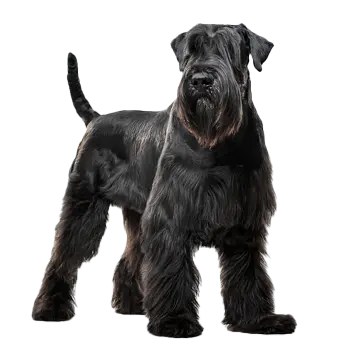

Growth & Physical Development

The Giant Schnauzer's juvenile phase is marked by an extraordinary rate of physical growth. Between three and six months of age, these puppies can seem to change almost daily, gaining height, length, and muscle mass at a pace that is remarkable even among large breeds. By six months, many Giant Schnauzers have already reached half or more of their eventual adult weight, though they are still far from physically mature.

Bone development during this period deserves particular attention. Because Giant Schnauzers grow so rapidly, their skeletal system is under significant stress. Growth plates, the soft areas of developing cartilage at the ends of long bones, remain open and vulnerable until the dog reaches full maturity, which for this breed typically occurs between 18 and 24 months. Impact injuries, excessive jumping, and overly strenuous exercise during this window can cause lasting damage.

The Giant Schnauzer's distinctive coat also begins to take on its adult character during adolescence. The wiry outer coat and dense undercoat that define the breed start to fill in, and owners will notice a significant increase in grooming needs. Regular brushing and early introduction to professional grooming sessions help establish routines that will serve the dog well throughout its life.

Owners should monitor growth carefully, comparing their puppy's weight and height against breed-standard growth curves. A puppy that is gaining weight too quickly may be at increased risk for orthopedic problems, while one that is underweight may need a dietary adjustment. Your veterinarian can help assess whether your Giant Schnauzer's growth trajectory is on track.

Nutrition & Diet Transition

Feeding a juvenile Giant Schnauzer correctly is one of the most impactful things an owner can do for the dog's long-term health. Large and giant breed puppies have specific nutritional requirements that differ from those of smaller breeds. They need controlled caloric intake to support steady, moderate growth rather than the rapid weight gain that can stress developing joints and bones.

A high-quality puppy food formulated specifically for large breeds is the ideal foundation. These formulas are designed with carefully balanced calcium-to-phosphorus ratios that support proper skeletal development. Overfeeding calcium or providing an unbalanced diet during this critical growth phase has been linked to developmental orthopedic diseases in large breeds.

Most Giant Schnauzer puppies are fed three meals per day until around six months of age, at which point they can transition to two meals daily. Free-feeding, or leaving food available at all times, is not recommended for this breed because it makes it difficult to monitor intake and can contribute to excessive weight gain. Measured portions at consistent times help regulate growth and establish healthy eating habits.

The transition from puppy food to adult food typically occurs between 12 and 18 months for Giant Schnauzers, though the exact timing depends on the individual dog's rate of maturation. This switch should be made gradually over the course of seven to ten days, mixing increasing proportions of the new food with decreasing proportions of the old. Your veterinarian can advise on the optimal time to make the transition based on your dog's growth and development.

Behavioral Changes

Adolescence in Giant Schnauzers brings a wave of behavioral changes that can catch even experienced owners off guard. The sweet, biddable puppy that followed your every cue may suddenly develop a streak of independence, testing boundaries and seemingly forgetting commands it once performed reliably. This is a normal part of canine development and not a sign that training has failed.

Giant Schnauzers are an intelligent and strong-willed breed, and these traits become especially pronounced during adolescence. The dog may begin to assert itself more forcefully, both with people and with other animals. Mouthing, jumping, pulling on leash, and selective hearing are common complaints during this phase. Consistent, patient training is essential, as is the understanding that this period is temporary.

Fear periods are another hallmark of adolescence that owners should be prepared for. A Giant Schnauzer puppy that was previously fearless may suddenly become wary of unfamiliar objects, sounds, or people. These fear periods typically occur around eight to eleven weeks and again between six and fourteen months. The best response is calm, supportive exposure rather than forced interaction. Pushing a fearful adolescent into situations that overwhelm it can create lasting anxiety.

Social dynamics also shift during this period. Adolescent Giant Schnauzers may become more reactive or selective about which dogs they are willing to interact with. Same-sex aggression, a known trait in this breed, may begin to surface. Ongoing positive socialization, combined with careful management and awareness of your dog's comfort level, helps navigate these social changes successfully.

Training Priorities

Training a juvenile Giant Schnauzer is both a necessity and an investment. This is a breed that will grow into a large, powerful animal with strong guarding instincts, and the adolescent months are the most critical window for establishing the skills and behaviors that will make the adult dog a reliable companion. Owners who underestimate the importance of training during this period often find themselves struggling to manage a headstrong adult.

Basic obedience commands such as sit, down, stay, come, and heel should be reinforced daily. The Giant Schnauzer's intelligence means it learns quickly, but it also means the dog can become bored with repetitive drills. Keeping sessions short, varied, and rewarding helps maintain the dog's engagement and enthusiasm. Positive reinforcement methods, using treats, praise, and play as motivators, are far more effective with this breed than correction-based approaches.

Leash manners are a particularly high priority for Giant Schnauzers. An adult Giant Schnauzer that pulls on leash is not just inconvenient but physically difficult and potentially dangerous to manage. Consistent leash training during the juvenile phase, when the dog is still manageable in size, sets the stage for pleasant walks throughout the dog's life. Structured walking exercises that reward the dog for maintaining a loose leash are highly effective.

Beyond basic obedience, adolescent Giant Schnauzers benefit enormously from advanced training opportunities. Activities such as rally obedience, tracking, agility foundations, or even protection sport introductions can channel the breed's intelligence and drive into productive outlets. Mental stimulation through training is just as important as physical exercise for this breed and goes a long way toward preventing destructive or nuisance behaviors.

Exercise & Activity

Giant Schnauzer adolescents are brimming with energy, and providing appropriate outlets for that energy is a daily priority. However, exercise for a growing large-breed puppy must be carefully managed. The same exuberance that makes a young Giant Schnauzer so entertaining can also put its developing body at risk if physical activity is not age-appropriate.

During the juvenile phase, the best forms of exercise are those that allow the puppy to set its own pace. Free play in a safely enclosed area, moderate-length walks on forgiving surfaces, and swimming are all excellent choices. Avoid forced running, sustained jogging on hard surfaces, and repetitive high-impact activities like jumping for discs until the dog's growth plates have closed, which your veterinarian can confirm through examination.

Mental exercise is equally important and often overlooked. Puzzle feeders, scent games, short training sessions, and exploration of new environments all provide the cognitive stimulation that a bright adolescent Giant Schnauzer craves. A dog that is mentally tired is often better behaved than one that has been physically exhausted but mentally under-stimulated.

As the Giant Schnauzer approaches physical maturity, exercise intensity and duration can gradually increase. By 18 to 24 months, most Giant Schnauzers are ready for more demanding activities such as long hikes, structured running, and advanced sport training. The key throughout adolescence is balance: enough activity to keep the dog healthy and content, without overdoing it during the vulnerable growth period.

Spay/Neuter Considerations

The decision about when to spay or neuter a Giant Schnauzer is one that warrants careful discussion with your veterinarian. Current research suggests that for large and giant breed dogs, delaying spay or neuter surgery until after the dog has reached physical maturity may reduce the risk of certain orthopedic conditions and some types of cancer. This is an evolving area of veterinary science, and recommendations may vary.

For Giant Schnauzers, physical maturity is generally reached between 18 and 24 months of age. Some veterinarians recommend waiting until at least this point before performing the surgery, particularly for males, as the hormones produced during adolescence play a role in proper bone and joint development. Others may recommend earlier surgery depending on the individual dog's health, living situation, and risk factors.

Owners of intact adolescent Giant Schnauzers must be prepared to manage the dog responsibly during this period. Males may begin marking, roaming, or showing increased interest in other dogs, while females will experience their first heat cycle, typically between six and twelve months of age. Secure fencing, vigilant supervision, and responsible management are essential to prevent accidental breeding.

Regardless of the timing chosen, spay and neuter surgery is a routine procedure with well-established benefits, including the elimination of the risk of certain reproductive cancers and infections. The best approach is a personalized conversation with your veterinarian that considers your specific dog's breed, health status, lifestyle, and your capacity to manage an intact animal during the interim period.

Socialization & Exposure

Continued socialization during the juvenile and adolescent phase is essential for producing a well-adjusted adult Giant Schnauzer. While the primary socialization window closes around 14 to 16 weeks of age, the experiences and exposures that follow remain critically important. An adolescent Giant Schnauzer that is isolated or under-socialized may develop fearfulness, reactivity, or inappropriate guarding behavior as it matures.

Exposure to a wide range of environments should be a regular part of the adolescent Giant Schnauzer's routine. Trips to pet-friendly stores, walks through busy urban areas, visits to friends' homes, and outings to parks and trails all help the dog build confidence in diverse settings. The goal is to create a dog that can navigate the world calmly and without undue stress.

Interactions with other dogs should be carefully managed during adolescence. While puppy socialization classes are invaluable for younger dogs, adolescent Giant Schnauzers benefit from structured interactions with known, stable adult dogs rather than chaotic dog park free-for-alls. The breed's size and developing assertiveness mean that poorly managed dog interactions can quickly become problematic. Quality of interactions matters far more than quantity.

Exposure to different types of people is equally important. Giant Schnauzers are naturally reserved with strangers and can develop overly protective tendencies if they do not learn to accept unfamiliar people in a variety of contexts. Positive encounters with men, women, children, people wearing hats or uniforms, and people of varying physical appearances help the dog generalize its comfort with humanity. Treat-based introductions and calm, upbeat handling make these encounters productive and pleasant.

Always consult a qualified professional before making any health-related decisions. This content is provided for informational reference only and should not replace professional guidance specific to your animal.