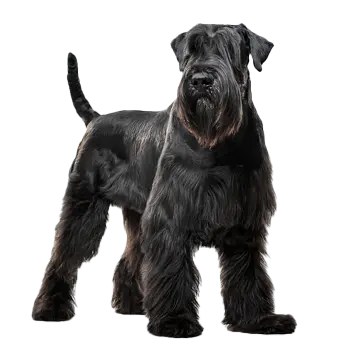

Determining when a Giant Schnauzer transitions from adult to senior is not an exact science, but most veterinarians and breed experts consider the shift to begin around seven to eight years of age. Large and giant breed dogs generally age faster than their smaller counterparts, and the Giant Schnauzer is no exception. However, individual variation is significant, and a well-maintained dog may show few outward signs of aging until considerably later.
The onset of senior status is often marked by subtle changes rather than dramatic ones. An owner who knows their dog well may notice a slight decrease in energy, a bit more stiffness after rest, or a longer recovery time after vigorous exercise. These changes are gradual and easy to dismiss as temporary, but they are worth noting and discussing with your veterinarian at the next wellness visit.
Transitioning your veterinary care schedule from annual to semi-annual checkups is one of the most important steps you can take as your Giant Schnauzer enters its senior years. More frequent examinations allow for earlier detection of age-related conditions and give the veterinarian a better baseline for monitoring changes over time. Blood work, urinalysis, and other diagnostic screenings become especially valuable during this phase.
Recognizing that your dog is entering its senior years is not cause for alarm but rather an invitation to adapt your care approach. With attentive management, dietary adjustments, and appropriate modifications to exercise and activity, many Giant Schnauzers enjoy active, comfortable lives well into their later years.