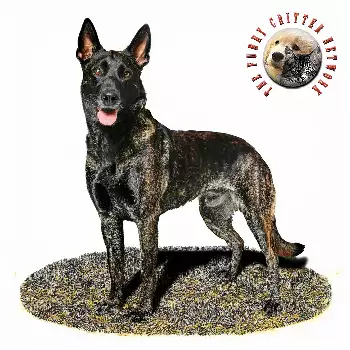

Peak Health Maintenance

The adult Dutch Shepherd, typically reaching full physical and behavioral maturity between two and three years of age, enters a period of peak performance that can last well into the middle years of life. This is a breed built for sustained athleticism and mental engagement, and maintaining that vitality requires a proactive approach to health rather than a reactive one. The habits established during the prime years directly influence how gracefully the Dutch Shepherd transitions into the senior stage.

Annual wellness examinations are the cornerstone of adult health maintenance. These visits allow your veterinarian to establish baseline values for bloodwork, organ function, and body condition that become invaluable reference points as the dog ages. Discuss breed-specific health screening with your veterinarian, including evaluations for hip and elbow dysplasia, eye conditions, and thyroid function. While the Dutch Shepherd is generally a hardy breed with fewer inherited conditions than many comparably sized dogs, vigilance during the healthy years catches problems early when intervention is most effective.

Parasite prevention should continue year-round in most climates. Heartworm preventive, flea and tick control, and periodic fecal examinations protect the adult Dutch Shepherd from parasitic diseases that can cause serious organ damage over time. Vaccination boosters should follow a schedule determined by your veterinarian based on regional disease prevalence, lifestyle factors, and current immunological guidelines.

Weight management is critically important for the adult Dutch Shepherd. The breed should maintain a lean, muscular physique with visible waist tuck and palpable ribs under a thin layer of subcutaneous fat. Even modest weight gain places additional stress on joints and cardiovascular function, reducing both lifespan and quality of life. Regular body condition assessments at home between veterinary visits help owners detect gradual changes before they become problematic.

Nutrition at Maturity

The adult Dutch Shepherd's nutritional needs differ from those of the growing puppy, and feeding should be adjusted to support maintenance rather than growth. A high-quality adult dog food appropriate for the dog's activity level provides the foundation, but the correct formulation depends on whether the dog is a moderately active household companion, a high-performance working dog, or somewhere in between. Active Dutch Shepherds in sport or work may require a performance-level diet with higher protein and fat content, while less active dogs do well on standard adult formulations.

Portion control remains essential throughout adulthood. Feeding guidelines on food packaging are general estimates and may not reflect the individual needs of your dog. Monitor body condition regularly and adjust portions accordingly. Two measured meals per day, rather than free-feeding, supports healthy digestion, helps maintain consistent energy levels throughout the day, and provides structure that the breed finds comforting.

Treats and training rewards should be factored into the daily caloric intake. It is easy to overlook the cumulative impact of treats, especially for Dutch Shepherds actively involved in training programs where food rewards are used frequently. When using food for training, reduce meal portions proportionally or use portions of the daily kibble allotment as training rewards to avoid inadvertent overfeeding.

Fresh, clean water should be available at all times. Dutch Shepherds are active dogs that can dehydrate quickly during exercise, particularly in warm weather. After intense physical activity, allow the dog to drink in moderate amounts rather than consuming large volumes at once, which can contribute to digestive discomfort. Some owners find that adding water to kibble or incorporating moisture-rich foods supports hydration in dogs that are reluctant drinkers.

Exercise & Fitness

The adult Dutch Shepherd requires substantial daily exercise to remain physically fit and mentally balanced. This is not a breed that thrives on a brief walk around the block. Most adult Dutch Shepherds need a minimum of 60 to 90 minutes of vigorous activity per day, ideally split between physical exercise and mental engagement. Dogs with working or sport backgrounds may need significantly more.

Variety in exercise is important for both physical development and mental stimulation. Alternate between running, hiking, swimming, fetch, tug games, and structured training sessions to work different muscle groups and prevent boredom. Dutch Shepherds excel in canine sports including agility, obedience, tracking, herding trials, and protection sports, all of which provide the physical and mental challenge the breed craves.

Mental fitness deserves equal attention. The Dutch Shepherd's intelligence is one of its defining characteristics, and a physically tired but mentally unstimulated dog can still develop behavioral problems. Incorporate scent work, puzzle toys, training challenges, and environmental exploration into the daily routine. Teaching new skills and commands throughout adulthood keeps the dog's mind sharp and strengthens the handler-dog relationship.

Be attentive to changes in exercise tolerance, which can signal developing health issues. A dog that suddenly tires more quickly, shows reluctance to jump or climb, or develops a limp after activity should be evaluated by a veterinarian. The stoic nature of the Dutch Shepherd means that signs of discomfort may be subtle, and owners who know their dog's normal performance baseline are best positioned to detect early changes.

Preventive Health Care

Preventive care during the adult years is an investment that pays dividends in the Dutch Shepherd's later life. Beyond annual examinations and routine parasite control, several breed-relevant health considerations deserve attention. The Dutch Shepherd is predisposed to certain orthopedic conditions, and maintaining joint health through appropriate exercise, weight management, and potentially joint-supportive supplements can slow the progression of degenerative changes.

Dental disease is one of the most common and most overlooked health problems in adult dogs of all breeds. Tartar accumulation, gingivitis, and periodontal disease cause pain, tooth loss, and can seed bacterial infections that affect the heart, liver, and kidneys. Establish a dental care routine that includes regular tooth brushing, dental chews approved by veterinary dental organizations, and professional cleanings as recommended by your veterinarian.

Skin and coat health should be monitored regularly, particularly in the long-haired and rough-coated varieties of the Dutch Shepherd. Seasonal allergies, contact dermatitis, and hot spots are not uncommon in the breed. Routine grooming provides an opportunity to inspect the skin for parasites, lumps, rashes, and wounds that might otherwise go unnoticed under the coat.

Discuss screening tests appropriate for the Dutch Shepherd's age and breed predispositions with your veterinarian. Thyroid function testing, cardiac evaluation, and ophthalmologic examinations may be recommended at intervals throughout the adult years. Early detection of subclinical conditions allows for management strategies that can significantly extend both the length and quality of the dog's life.

Behavioral Maturity

By roughly two to three years of age, the Dutch Shepherd reaches behavioral maturity, and the temperament that will define the dog for the remainder of its life becomes fully established. The impulsivity and boundary-testing of adolescence give way to a more settled, predictable demeanor, though the breed retains its characteristic energy, drive, and alertness throughout adulthood. Owners often describe this transition as the moment their Dutch Shepherd finally becomes the dog they always knew was in there.

The mature Dutch Shepherd typically forms an extraordinarily strong bond with its primary handler or family unit. This breed is deeply loyal and often described as a velcro dog that prefers to be in close physical proximity to its people. While this attachment is one of the breed's most endearing qualities, it also means that Dutch Shepherds can be prone to separation anxiety if not taught to tolerate alone time. Maintaining the crate training and independent settling exercises established during adolescence prevents this issue from developing.

Adult Dutch Shepherds may show increased territorial awareness and discernment around strangers. This is a natural expression of the breed's guarding heritage and should not be confused with aggression. A well-socialized adult Dutch Shepherd is confident and neutral in the presence of unfamiliar people, neither excessively friendly nor hostile. Continued positive experiences with visitors, outings, and novel situations throughout adulthood reinforce this balanced temperament.

Training should not stop at adulthood. The Dutch Shepherd is a breed that needs ongoing mental engagement, and regular training sessions throughout the adult years maintain skills, strengthen the handler relationship, and provide the cognitive stimulation that keeps the dog fulfilled. Even household companions benefit from learning new tricks, practicing obedience in progressively more challenging environments, and participating in enrichment activities that challenge their problem-solving abilities.

Dental & Grooming

Grooming requirements for the adult Dutch Shepherd vary by coat type, as the breed comes in three varieties: short-haired, long-haired, and rough-haired (wire-coated). The short-haired variety requires the least maintenance, benefiting from weekly brushing to remove loose hair and distribute natural oils. The long-haired variety needs brushing two to three times per week to prevent matting, with particular attention to the feathering behind the ears, on the legs, and around the tail. The rough-haired variety requires regular hand-stripping or professional grooming to maintain the proper texture and appearance of the wiry coat.

All three coat types shed, and shedding increases significantly during seasonal coat changes in spring and fall. During heavy shedding periods, daily brushing with an undercoat rake or deshedding tool helps manage loose hair and reduces the volume of fur deposited on furniture and clothing. Bathing should be infrequent, roughly every six to eight weeks or as needed, using a mild dog-specific shampoo that does not strip the natural oils from the coat.

Nail maintenance is often neglected but is essential for the Dutch Shepherd's comfort and structural soundness. Nails that are allowed to grow too long alter the dog's gait, placing abnormal stress on joints and tendons. Trim nails every two to three weeks, or more frequently if the dog does not naturally wear them down on hard surfaces. If you can hear the nails clicking on hard flooring, they are overdue for a trim.

Ear care, particularly for the erect-eared Dutch Shepherd, involves regular inspection and gentle cleaning as needed. While erect ears generally have better air circulation and lower infection rates than pendant ears, debris, moisture, and wax can still accumulate. Check the ears weekly and clean with a veterinarian-approved ear cleaning solution if any buildup is visible. Redness, odor, or excessive scratching at the ears warrants a veterinary evaluation for possible infection or mites.

Always consult a qualified professional before making any health-related decisions. This content is provided for informational reference only and should not replace professional guidance specific to your animal.