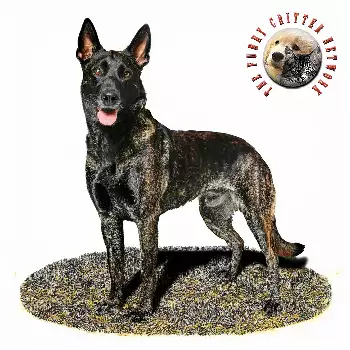

Growth & Physical Development

The Dutch Shepherd experiences a period of dramatic physical transformation between three and eighteen months of age. During this juvenile and adolescent window, puppies transition from clumsy, round-bellied youngsters into lean, athletic dogs that begin to show the hallmark silhouette of the breed. Growth rates vary between individuals, but most Dutch Shepherds reach approximately 60 to 70 percent of their adult weight by six months and approach their full height by twelve months, with continued muscle filling and physical maturation continuing through eighteen months or slightly beyond.

Males typically stand between 22.5 and 24.5 inches at the shoulder when fully grown, while females range from 21.5 to 23.5 inches. Weight varies considerably depending on coat type and build, but most healthy adults fall between 42 and 75 pounds. During the adolescent growth phase, it is common for the dog to appear leggy, lanky, or slightly disproportionate as different parts of the body grow at different rates. This gangly stage is entirely normal and resolves as the dog matures.

Growth plates in the long bones remain open until roughly twelve to eighteen months of age, making adolescent Dutch Shepherds vulnerable to injury from excessive high-impact activity. Jumping from heights, sustained running on hard surfaces, and forced exercise should be limited until the growth plates have closed. Your veterinarian can assess growth plate status through physical examination or radiographs if there is any concern about premature closure or injury.

Regular weight monitoring during this period helps ensure that the puppy is growing at an appropriate pace. Both rapid weight gain and sluggish growth can indicate nutritional problems, hormonal imbalances, or underlying health conditions. A growth chart maintained by your veterinarian provides the clearest picture of your Dutch Shepherd's developmental trajectory.

Nutrition & Diet Transition

Feeding the juvenile Dutch Shepherd correctly is one of the most impactful decisions an owner can make during this life stage. Puppies should remain on a high-quality puppy food formulated for medium to large breeds until they reach approximately twelve to fifteen months of age. These formulations are calibrated to support controlled, steady growth while providing the correct ratios of calcium, phosphorus, and other minerals essential for proper skeletal development.

Overfeeding during the growth phase is a significant risk for Dutch Shepherds. While the breed is naturally lean and athletic, excess calories during puppyhood can accelerate growth beyond a healthy rate, placing undue stress on developing joints and increasing the risk of orthopedic conditions later in life. Follow the feeding guidelines on your chosen food as a starting point, but adjust portions based on your individual puppy's body condition rather than relying solely on weight charts.

Meals should be divided into three feedings per day until about six months of age, then transitioned to two meals per day. Free-feeding, where food is left out continuously, is not recommended for this breed. Dutch Shepherds are active and food-motivated, and structured mealtimes support both healthy digestion and training routines.

The transition from puppy food to adult food should be gradual, occurring over seven to ten days by slowly increasing the proportion of adult food while decreasing the puppy formula. Abrupt diet changes commonly cause gastrointestinal upset including diarrhea, vomiting, and loss of appetite. Your veterinarian can advise on the optimal timing for this transition based on your dog's individual growth pattern and body condition.

Behavioral Changes

Adolescence in the Dutch Shepherd brings a wave of behavioral changes that can test even experienced dog owners. Beginning around five to six months of age and often intensifying between eight and fourteen months, adolescent Dutch Shepherds may exhibit increased independence, selective listening, heightened reactivity, and a sudden interest in testing established boundaries. This is a normal developmental phase driven by hormonal changes and neurological maturation, not a reflection of poor training or a flawed temperament.

Dutch Shepherds are an exceptionally intelligent and driven breed, which means that adolescent behavior often manifests as creative problem-solving directed toward goals the owner did not authorize. Counter surfing, escape attempts, destructive chewing, and excessive mouthiness are common complaints during this phase. These behaviors are outlets for the breed's high energy and mental acuity, and they respond best to redirection and structured activity rather than punishment.

Fear periods are another hallmark of adolescence. A previously confident puppy may suddenly become wary of familiar objects, sounds, or situations. These periods typically occur around eight to ten weeks and again between six and fourteen months. During a fear period, avoid forcing the dog to confront whatever is causing anxiety. Instead, allow the dog to observe from a comfortable distance and reward calm, curious behavior. Flooding a fearful adolescent Dutch Shepherd with the stimulus that frightens them can create lasting phobias.

Patience and consistency are the cornerstones of navigating Dutch Shepherd adolescence. The behaviors that feel most frustrating during this period are often expressions of the same intelligence, drive, and boldness that make the breed exceptional as adults. Owners who maintain clear expectations, provide ample physical and mental outlets, and avoid escalating confrontations with their adolescent dog will emerge from this phase with a deeply bonded, well-adjusted companion.

Training Priorities

Training during the juvenile and adolescent period shapes the Dutch Shepherd's lifelong behavior and working potential. This breed thrives on structured learning and requires more mental stimulation than many other breeds of comparable size. Foundational obedience skills including reliable recall, leash manners, impulse control, and a solid stay command should be prioritized during this period, as they form the basis for all future training whether the dog is destined for work, sport, or family life.

Positive reinforcement methods are particularly effective with Dutch Shepherds. The breed is sensitive to handler emotion and highly responsive to reward-based training, while harsh corrections can damage the trust bond and produce a dog that works out of avoidance rather than enthusiasm. Use a mix of food rewards, toy rewards, and verbal praise to maintain engagement, and keep training sessions short and varied to match the adolescent's developing attention span.

Crate training and place training are especially valuable for the adolescent Dutch Shepherd, who benefits from learning to settle and self-regulate. A dog that can relax in a crate or on a designated mat has a critical life skill that prevents destructive behavior, reduces anxiety, and makes travel and veterinary visits far less stressful. Introduce these exercises early and build duration gradually.

For owners interested in advanced training, sport, or working applications, adolescence is the ideal time to begin foundational work in tracking, obedience competition, agility, or protection sports. The Dutch Shepherd's natural drive, athleticism, and desire to work with a handler make them outstanding candidates for these disciplines. However, formal competition-level training should be age-appropriate and avoid placing excessive physical demands on a dog whose skeletal system is still developing.

Exercise & Activity

The adolescent Dutch Shepherd has substantial exercise needs that increase as the dog grows, but activity must be carefully managed to protect developing joints and bones. A general guideline is roughly five minutes of structured exercise per month of age, twice daily, though this rule is flexible and should be adjusted based on the individual dog's energy level and physical condition. Free play on soft surfaces, moderate hiking on natural terrain, and swimming are excellent low-impact options for young Dutch Shepherds.

Mental exercise is equally important and is often overlooked. Dutch Shepherds that receive adequate physical activity but insufficient mental stimulation frequently develop nuisance behaviors such as excessive barking, digging, and destructive chewing. Puzzle feeders, scent games, training sessions, and novel environmental exploration all contribute to a well-rounded exercise program that tires the mind as effectively as the body.

Avoid repetitive high-impact activities such as extended fetch on hard surfaces, forced running alongside a bicycle, and agility jumps at full height until the dog is physically mature. Growth plate injuries sustained during adolescence can have permanent consequences including angular limb deformities and chronic joint pain. When in doubt about whether an activity is appropriate for your dog's age, consult your veterinarian.

Social exercise with other well-matched dogs provides both physical and behavioral benefits during adolescence. Off-leash play in safe, enclosed areas allows the Dutch Shepherd to practice canine communication skills, burn energy through natural play patterns, and develop confidence. Choose play partners carefully, selecting dogs with compatible play styles and energy levels, and supervise all interactions to prevent bullying or overly rough play.

Spay/Neuter Considerations

The decision of when or whether to spay or neuter a Dutch Shepherd is a significant one that should be made in consultation with your veterinarian, taking into account the individual dog's health, lifestyle, and the owner's ability to manage an intact animal. Current research suggests that early spaying or neutering of large and medium-large breeds before skeletal maturity may be associated with increased risk of certain orthopedic conditions and some cancers, though findings continue to evolve.

Many veterinarians and breed experts now recommend delaying spay or neuter surgery until the Dutch Shepherd has reached physical maturity, which typically occurs between twelve and eighteen months of age. Allowing the dog to develop with the influence of sex hormones through the growth period supports proper bone length, joint angulation, and muscular development. However, this recommendation must be balanced against practical considerations including the owner's ability to prevent unwanted breeding and manage hormone-driven behaviors.

Intact adolescent males may begin marking, roaming, and showing increased interest in other dogs as testosterone levels rise. Intact females will experience their first heat cycle between six and twelve months of age, requiring careful management to prevent accidental mating. Owners who choose to delay surgery must be committed to responsible containment and supervision during this period.

Discuss the full range of options with your veterinarian, including traditional spay and neuter, ovary-sparing spay for females, and vasectomy for males. Each approach carries different implications for hormone retention, cancer risk, and behavioral outcomes. There is no single correct answer for every Dutch Shepherd, and the best decision is an informed one based on your specific dog and circumstances.

Socialization & Exposure

Socialization during the juvenile and adolescent period builds directly on the foundation established by the breeder during the first weeks of life. The primary socialization window closes around twelve to fourteen weeks of age, but the need for continued positive exposure to new people, animals, environments, and experiences extends well into adolescence. A Dutch Shepherd that stops receiving socialization after puppyhood may regress, becoming increasingly suspicious or reactive as the breed's natural wariness of novelty emerges.

Structured socialization outings are more effective than random exposure. Plan deliberate visits to environments that your dog will encounter throughout life, including veterinary offices, grooming facilities, outdoor markets, urban sidewalks, and rural trails. Allow the dog to observe and investigate at their own pace, rewarding confidence and curiosity. Avoid overwhelming the adolescent with too much stimulation in a single outing, particularly during fear periods when the dog's threshold for stress is lower than usual.

Exposure to a wide variety of people is particularly important for the Dutch Shepherd, a breed that can develop strong guarding instincts if not properly socialized. Ensure that your dog has positive experiences with people of different ages, body types, and appearances, including individuals wearing hats, sunglasses, uniforms, and carrying unusual items. Children, elderly individuals, and people using mobility aids should all be part of the socialization plan.

Dog-to-dog socialization should continue through adolescence but must be carefully managed. Not every dog interaction needs to be a play session. Teaching your Dutch Shepherd to calmly observe other dogs from a distance, walk past other dogs on leash without reacting, and disengage from play on cue are skills that serve the dog far better in daily life than unstructured dog park visits. Controlled introductions with known, stable dogs are preferable to chaotic group play environments where negative experiences can set back months of socialization work.

Always consult a qualified professional before making any health-related decisions. This content is provided for informational reference only and should not replace professional guidance specific to your animal.