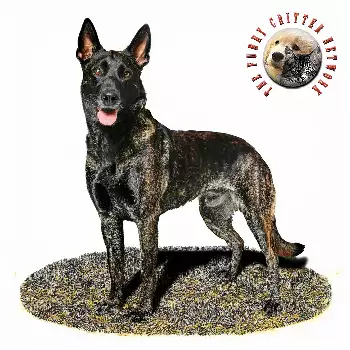

The Dutch Shepherd is a relatively long-lived breed for its size, with a typical lifespan of eleven to fourteen years. The transition into the senior stage is gradual rather than abrupt, and most Dutch Shepherds begin showing early signs of aging between eight and ten years of age. However, biological age and chronological age do not always align. A well-conditioned, active Dutch Shepherd may show few signs of slowing down at nine or ten, while a dog with a history of orthopedic issues or chronic illness may exhibit senior characteristics somewhat earlier.
Recognizing the onset of the senior stage allows owners to make proactive adjustments to care routines before age-related changes become pronounced. Early indicators include a gradual decrease in stamina during exercise, longer recovery times after vigorous activity, subtle stiffness when rising from rest, and a slight graying of the muzzle. These changes often appear so incrementally that owners who see their dog every day may not notice them until they are well established.
Veterinarians generally recommend transitioning to a senior care protocol when a Dutch Shepherd reaches approximately seven to eight years of age, even if the dog appears fully healthy. This transition includes more frequent wellness examinations, expanded bloodwork panels, and age-appropriate adjustments to diet and exercise. The goal is to detect the earliest signs of organ decline, metabolic changes, or developing conditions while they are still manageable.
The senior years are not a period of decline to be dreaded but rather a natural phase of life that can be rich, comfortable, and deeply rewarding for both the dog and the owner. Dutch Shepherds that receive thoughtful senior care often maintain excellent quality of life well into their later years, continuing to enjoy walks, training, and close companionship with their families.