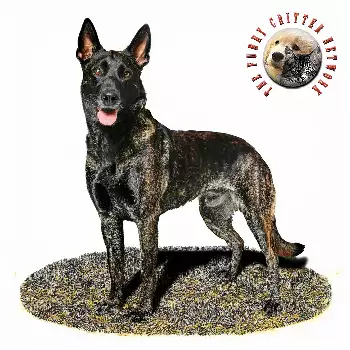

Breeding Readiness

Determining whether a Dutch Shepherd is ready for breeding involves far more than confirming that the dog has reached sexual maturity. Responsible breeding requires a thorough evaluation of the dog's physical health, genetic background, temperament, and structural soundness before any mating is considered. The Dutch Shepherd is a relatively rare breed, and breeders carry a significant responsibility to preserve and improve the breed's health, working ability, and character with every litter produced.

Female Dutch Shepherds should not be bred before their second birthday at the earliest, and many experienced breeders wait until the bitch is at least two and a half years old. This allows time for the dog to reach full physical maturity and for health screening results to be finalized. Males should likewise be physically mature and have completed all recommended health evaluations before being used at stud. Breeding immature dogs increases the risk of complications and does not allow sufficient time to identify health conditions that may not manifest until adulthood.

Health screening for breeding Dutch Shepherds should include hip and elbow radiographs evaluated by a recognized orthopedic registry, a current ophthalmologic examination performed by a board-certified veterinary ophthalmologist, thyroid function testing, and any additional breed-specific tests recommended by the national breed club. Both the sire and dam should be screened, and results should be openly shared with prospective puppy buyers.

Temperament evaluation is equally important. The Dutch Shepherd should demonstrate the breed's characteristic confidence, trainability, and stability. Dogs with excessive fearfulness, unprovoked aggression, or significant behavioral dysfunction should not be bred regardless of their physical attributes. The temperament a dog produces in its offspring is at least as important as its conformation or working titles, and responsible breeders weigh all of these factors in their breeding decisions.

The Heat Cycle

The female Dutch Shepherd typically experiences her first estrus cycle between six and twelve months of age, though some individuals may not cycle until eighteen months. Most bitches cycle approximately every six to eight months, though considerable individual variation exists. Understanding the stages of the estrus cycle is essential for timing breeding correctly and for managing an intact female safely when breeding is not intended.

The cycle consists of four stages: proestrus, estrus, diestrus, and anestrus. Proestrus lasts approximately seven to ten days and is characterized by vulvar swelling and a bloody vaginal discharge. The bitch attracts male attention during this phase but is not yet receptive to mating. Estrus follows and lasts roughly five to fourteen days, during which the discharge lightens in color and the bitch becomes willing to stand for the male. Ovulation typically occurs during the first few days of estrus.

Accurate determination of the optimal breeding window requires veterinary assistance. Progesterone testing through serial blood draws is the most reliable method for pinpointing ovulation and determining the best days for mating or artificial insemination. Relying solely on behavioral signs or calendar counting frequently results in poorly timed breedings and missed conceptions. Most reproductive veterinarians recommend beginning progesterone testing when the first signs of proestrus appear and continuing every two to three days until the ovulation surge is confirmed.

During the heat cycle, an intact female must be kept securely contained to prevent accidental mating with unscreened males. Dutch Shepherds are athletic and resourceful, and a determined male can breach fences, gates, and barriers that would contain less driven breeds. Even brief unsupervised outdoor access during estrus poses a risk of unplanned breeding. Exercise the bitch on leash only during this period and maintain vigilant awareness of her environment.

Pregnancy & Gestation

The gestation period for the Dutch Shepherd is approximately 63 days from the date of ovulation, though individual variation of a few days in either direction is normal. Pregnancy can be confirmed by a veterinarian through ultrasound at approximately 25 to 30 days post-breeding, which also provides an early assessment of litter viability. Radiographs taken after day 45 allow for a more accurate puppy count by visualizing mineralized fetal skeletons, which is valuable information for whelping preparation.

During the first half of pregnancy, the bitch's care routine requires only minor adjustments. She should continue eating her regular high-quality adult food in normal portions, maintain moderate exercise, and avoid exposure to infectious disease, toxins, and unnecessary medications. Overfeeding during early pregnancy leads to excess maternal weight gain that can complicate whelping and does not benefit fetal development.

The second half of pregnancy brings more noticeable changes. The bitch's abdomen enlarges visibly, appetite increases, and energy levels may fluctuate. Around day 42, transition the bitch to a nutrient-dense food formulated for growth or reproduction, as the developing puppies' nutritional demands increase significantly during the final three weeks. Meals should be divided into smaller, more frequent feedings as the enlarging uterus compresses the stomach and reduces its capacity.

Monitor the pregnant bitch closely during the final week of gestation. Rectal temperature taken twice daily provides the most reliable indicator of approaching labor; a drop below 99 degrees Fahrenheit typically signals that whelping will begin within 24 hours. Nesting behavior, restlessness, panting, and loss of appetite are also common pre-labor signs. Have your veterinarian's emergency contact information readily available and know the location of the nearest emergency veterinary hospital in case complications arise during delivery.

Whelping Preparation

Thorough preparation for whelping reduces stress for both the breeder and the dam and ensures that supplies and support are available when labor begins. The whelping area should be set up at least two weeks before the expected due date, giving the bitch time to acclimate to the space. Choose a quiet, warm, easily cleaned room with controlled access that allows the dam privacy while permitting the breeder to monitor progress.

The whelping box should be large enough for the dam to lie fully stretched on her side with room to spare, equipped with low-profile rails around the interior perimeter to prevent the dam from inadvertently crushing puppies against the walls. Line the box with clean, washable bedding that provides traction for the newborns. Have several changes of bedding prepared in advance, as whelping is a messy process and the box will need to be cleaned multiple times during and after delivery.

Assemble a whelping kit that includes clean towels, hemostats for clamping umbilical cords, blunt-tipped scissors, iodine solution for cord stumps, a bulb syringe for clearing puppy airways, a digital kitchen scale for weighing newborns, unwaxed dental floss as an emergency cord tie, a heating pad or heat lamp for the puppy warming area, and a puppy milk replacer with appropriate nursing bottles in case supplemental feeding is needed.

Establish a communication plan with your veterinarian before the due date. Know the clinic's after-hours emergency protocol and confirm that they are equipped to perform an emergency cesarean section if needed. Discuss the circumstances under which you should call, including prolonged labor without producing a puppy, more than two hours between puppies with visible contractions, green or foul-smelling discharge before the first puppy, or any sign of maternal distress. Being prepared for complications, even while hoping for a smooth delivery, is a hallmark of responsible breeding.

Postpartum Care

The postpartum period requires attentive care for both the dam and her newborn puppies. In the hours immediately following whelping, ensure that each puppy has nursed and received colostrum, that the dam has expelled all placentas (the number of placentas should match the number of puppies), and that the dam's vaginal discharge is dark red to reddish-brown without a foul odor. A moderate amount of discharge is normal for up to three weeks postpartum, but heavy bleeding, pus, or a strong smell indicates a potential infection that requires veterinary attention.

The dam's nutritional demands peak during lactation, which is the most metabolically demanding period of a dog's life. She should have unlimited access to high-quality, calorie-dense food formulated for nursing mothers, along with constant access to fresh water. A nursing bitch feeding a typical Dutch Shepherd litter may require two to three times her normal caloric intake to maintain body condition and adequate milk production. Monitor her weight and body condition closely, and adjust feeding as needed.

Watch the dam for signs of postpartum complications including eclampsia, a life-threatening drop in blood calcium that typically occurs during peak lactation between two and four weeks postpartum. Symptoms include restlessness, muscle tremors, stiffness, panting, and in severe cases, seizures. Eclampsia is a veterinary emergency that requires immediate intravenous calcium supplementation. Larger litters and smaller dams are at higher risk.

The dam's behavior should be monitored alongside her physical recovery. Most Dutch Shepherd mothers are attentive and instinctive, but first-time mothers may be anxious, overly rough with the puppies, or reluctant to nurse. Gentle, calm support from the breeder can help a nervous dam settle into her role. If the dam shows persistent disinterest in her puppies or displays aggression toward them, consult your veterinarian to rule out pain or illness as a contributing factor, and be prepared to hand-raise the litter if necessary.

Responsible Breeding Ethics

Breeding Dutch Shepherds carries an ethical obligation that extends beyond the individual litter to the breed as a whole. The Dutch Shepherd's relative rarity compared to more popular herding breeds means that the gene pool is limited, and every breeding decision has an outsized impact on the breed's genetic health and diversity. Responsible breeders approach each mating as a carefully considered contribution to the breed's future, not as a source of income or a casual endeavor.

Genetic diversity should be a priority in breeding planning. Repeated use of popular sires, while tempting when a particular male produces outstanding offspring, narrows the gene pool and increases the prevalence of recessive health conditions. Breeders should research pedigrees thoroughly, calculate coefficients of inbreeding, and seek complementary pairings that maintain genetic breadth while improving specific traits. Collaboration with other breeders and engagement with breed clubs supports informed decision-making.

Every breeder must have a clear plan for every puppy in a litter before the breeding takes place. This includes a realistic assessment of market demand, a network of screened prospective homes, and a lifetime commitment to take back any dog they produce if the owner can no longer keep it. Puppies should not be placed before eight weeks of age at minimum, and many experienced breeders retain puppies until ten to twelve weeks to allow for additional socialization and temperament assessment.

Breeding is not appropriate for every Dutch Shepherd, and the decision not to breed a particular dog is often the most responsible choice a breeder can make. Dogs that do not meet health screening standards, carry known genetic defects, display temperament concerns, or lack breed type should be spayed or neutered and placed in loving companion homes. The integrity of the breed depends on breeders who can objectively evaluate their own dogs and prioritize the breed's welfare over personal attachment or financial considerations.

Always consult a qualified professional before making any health-related decisions. This content is provided for informational reference only and should not replace professional guidance specific to your animal.