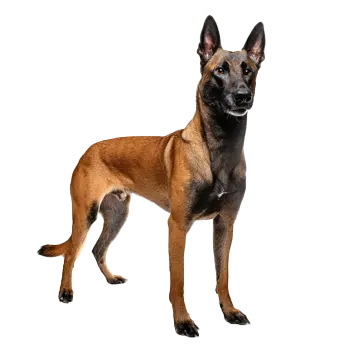

When Does Senior Begin?

Determining when a Belgian Malinois enters the senior stage is not as simple as picking a number from a chart. The breed's relatively long lifespan for a dog of its size, typically fourteen to sixteen years, means the transition to senior status generally begins between eight and ten years of age, though individual variation is substantial. Some Malinois remain remarkably vigorous well past ten, while others begin showing signs of aging earlier, particularly those with a history of intense physical work or sport competition.

The shift from adult to senior is rarely sudden. Instead, it tends to manifest as a gradual collection of small changes that accumulate over months. You might notice that your Malinois takes a bit longer to rise from a resting position, shows less enthusiasm for a fourth ball throw when it once wanted a tenth, or sleeps more deeply and for longer stretches. These subtle cues are easy to dismiss individually but together signal that the body is beginning to slow its pace.

Veterinarians generally recommend transitioning to a senior care protocol around eight years of age for Belgian Malinois. This includes shifting from annual to biannual wellness examinations, expanding blood work panels to screen for organ function changes, and beginning more vigilant monitoring of weight, joint health, and dental condition. Early adoption of a senior care mindset allows problems to be caught at their most treatable stage.

It is worth noting that senior does not mean incapacitated. Many Belgian Malinois continue to enjoy active lives well into their senior years, participating in modified exercise routines, learning new skills, and engaging enthusiastically with their families. The goal of senior care is not to wrap the dog in cotton but to adapt expectations and management so that the dog can continue living fully while receiving the additional support aging requires.

Mobility & Joint Health

Joint health becomes an increasingly important focus as the Belgian Malinois enters its senior years. Even in a breed not predisposed to severe orthopedic disease, years of activity take a toll on cartilage, ligaments, and joint fluid. Osteoarthritis is the most common mobility issue in aging dogs, and early signs include stiffness after rest, reluctance to jump into the car or onto furniture, a shortened stride, or a slight bunny-hop gait when climbing stairs. These signs may appear gradually and are often more noticeable in cold or damp weather.

Environmental modifications can significantly improve a senior Malinois's comfort and independence. Orthopedic beds with supportive foam reduce pressure on joints during rest. Ramp or stair access to vehicles and elevated surfaces eliminates the need for impact-heavy jumping. Non-slip rugs or mats on smooth flooring provide traction that arthritic dogs need to rise and move confidently. These are simple, inexpensive changes that make a meaningful daily difference.

Veterinary management of joint disease may include anti-inflammatory medications, joint supplements containing glucosamine and chondroitin, and in some cases injectable joint therapies. Your veterinarian will tailor a management plan to your dog's specific needs, considering the severity of joint changes, the dog's overall health, and any medications it is already taking. Pain management is not merely a comfort issue; dogs in chronic pain often develop secondary behavioral and health problems, including decreased appetite, disrupted sleep, irritability, and muscle wasting from inactivity.

Exercise remains important for senior Malinois but should be adapted to the dog's changing capabilities. Shorter, more frequent walks replace long hikes. Swimming continues to be an excellent option, providing exercise without joint stress. The key is to keep the dog moving without pushing it past the point of comfort. A senior Malinois that moves regularly, even at a reduced intensity, maintains better muscle tone, joint flexibility, and overall quality of life than one that becomes sedentary.

Cognitive Changes

Cognitive decline in aging dogs, sometimes referred to as canine cognitive dysfunction, is a real and increasingly recognized condition that can affect Belgian Malinois in their later years. The condition shares many parallels with dementia in humans, involving progressive changes in awareness, learning, memory, and responsiveness to familiar stimuli. While not all senior dogs develop significant cognitive impairment, awareness of the signs allows for early intervention that can slow progression and improve quality of life.

Common early signs include disorientation in familiar environments, such as standing at the wrong side of a door or appearing confused in rooms the dog has known for years. Changes in the sleep-wake cycle are another frequent indicator, with affected dogs pacing or vocalizing during the night and sleeping more during the day. Altered interactions with family members, including reduced greeting behavior, decreased interest in affection, or staring blankly, can signal cognitive changes rather than simple aging.

House soiling in a previously reliable dog is one of the more distressing symptoms for owners and should always be evaluated by a veterinarian to rule out medical causes such as urinary tract infection, kidney disease, or gastrointestinal issues before attributing it to cognitive decline. When medical causes are excluded, cognitive dysfunction becomes a likely explanation, particularly if other behavioral changes are present simultaneously.

Management of cognitive decline involves a multi-pronged approach. Maintaining a consistent daily routine reduces confusion and anxiety. Continued mental stimulation through simple training exercises, scent games, and food puzzles helps keep neural pathways active. Dietary supplementation with antioxidants and medium-chain triglycerides has shown some benefit in clinical studies. Your veterinarian may also recommend medications that support cognitive function in dogs. While cognitive dysfunction cannot be reversed, thoughtful management can meaningfully slow its progression and preserve quality of life.

Nutrition for Aging

Nutritional needs shift as the Belgian Malinois ages. Metabolism slows, activity levels decrease, and the body becomes less efficient at processing certain nutrients. Transitioning to a senior-formulated diet around eight to nine years of age, or when your veterinarian recommends, addresses these changes by adjusting caloric density, protein quality, and the balance of vitamins and minerals to support aging organ systems.

Protein remains essential for the senior Malinois. Contrary to the outdated belief that older dogs need reduced protein, current veterinary nutrition science supports maintaining high-quality protein intake to preserve muscle mass, which naturally declines with age. The emphasis should be on digestibility and quality rather than quantity reduction. Dogs with specific kidney concerns may need adjusted protein levels, but this should be determined through blood work and veterinary guidance rather than applied as a blanket rule.

Weight management becomes both more important and more challenging in the senior years. Decreased activity paired with unchanged caloric intake leads to gradual weight gain, which compounds joint problems, increases cardiac workload, and shortens lifespan. Conversely, some senior dogs begin losing weight due to decreased appetite, dental pain, or underlying medical conditions. Regular weigh-ins and body condition assessments at each veterinary visit help catch trends in either direction before they become problematic.

Hydration is a frequently underappreciated aspect of senior nutrition. Aging kidneys may be less efficient at concentrating urine, leading to increased water loss. Ensuring constant access to fresh water, offering wet food or adding water to kibble, and monitoring water intake for significant changes all support kidney health and overall hydration. Some senior dogs benefit from elevated food and water bowls that reduce the need to lower their heads to the floor, easing strain on arthritic necks and spines.

Increased Veterinary Care

The transition from annual to biannual veterinary visits is one of the most impactful changes in senior Malinois care. Six months represents a significant proportion of a dog's year, and conditions that are subclinical at one visit can become advanced by the next if a full year passes between examinations. Biannual visits allow your veterinarian to track trends in blood work, weight, dental health, and organ function with much greater precision.

Expanded blood panels for senior dogs typically include complete blood count, comprehensive metabolic panel, thyroid function, and urinalysis. These tests screen for kidney disease, liver dysfunction, diabetes, thyroid imbalances, anemia, and infection. Establishing baseline values while the dog is healthy makes it far easier to detect early deviations that signal developing problems. Many conditions caught through routine blood work are highly manageable when identified early but become far more difficult and expensive to treat once symptoms appear.

Dental disease accelerates in the senior years and can become a significant source of chronic pain and systemic health risk. Professional dental evaluation should be part of every senior wellness visit, and professional cleanings may be needed more frequently than during the adult years. Some owners hesitate to pursue anesthesia for dental procedures in older dogs, but modern veterinary anesthesia is safe for the vast majority of senior patients when proper pre-anesthetic screening is performed.

Cancer screening becomes an important consideration in senior Belgian Malinois. While the breed is not among the highest-risk for cancer overall, the disease remains a leading cause of death in older dogs of all breeds. Regular physical examinations that include palpation of lymph nodes, abdominal assessment, and thorough skin checks help detect masses or abnormalities early. Any new lump, unexplained weight loss, persistent lameness, or change in appetite or energy level warrants prompt veterinary evaluation rather than a wait-and-see approach.

Quality of Life Assessment

Assessing quality of life in a senior Belgian Malinois is an ongoing process rather than a single decision point. Quality of life encompasses the dog's physical comfort, emotional wellbeing, ability to engage in activities it enjoys, appetite, mobility, continence, and overall demeanor. No single factor defines quality of life, and the balance between good days and difficult days is often the most useful metric for owners navigating the complexities of senior care.

Several structured quality of life scales are available to help owners evaluate their dog's condition objectively. These tools typically assess categories such as pain, hunger, hydration, hygiene, happiness, mobility, and whether the dog has more good days than bad. Using a consistent assessment tool over time provides a clearer picture than relying on subjective impressions, which can be influenced by the emotional difficulty of watching a beloved companion age. Your veterinarian can recommend a specific scale and help you interpret the results in the context of your dog's individual situation.

Maintaining quality of life in a senior Malinois often involves a combination of medical management, environmental adaptation, and compassionate daily care. Pain control is foundational; a dog in chronic pain cannot have a good quality of life regardless of other factors. Continued engagement through gentle exercise, social interaction, and mental stimulation contributes to emotional wellbeing. Accommodations such as help with stairs, padded resting areas, and adjusted feeding schedules address the practical realities of an aging body.

Open, ongoing communication with your veterinarian about your dog's quality of life is essential. Veterinarians can offer objective medical perspectives that complement an owner's intimate daily knowledge of the dog. Together, this partnership ensures that decisions about the senior Malinois's care are informed, compassionate, and centered on the dog's experience rather than solely on the owner's understandable desire for more time.

Always consult a qualified professional before making any health-related decisions. This content is provided for informational reference only and should not replace professional guidance specific to your animal.