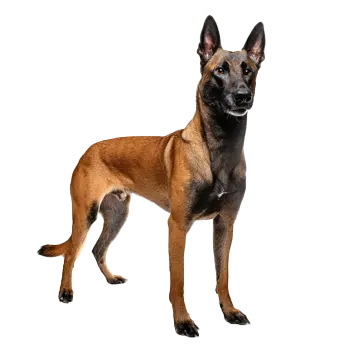

Peak Health Maintenance

The adult Belgian Malinois, typically reaching full maturity between two and three years of age, enters a period of peak physical capability that can last well into the dog's eighth or ninth year with proper care. This breed is known for its athletic build, endurance, and overall hardiness, but maintaining that condition requires consistent attention to the fundamentals of health management. A proactive approach during the prime years helps prevent or delay many of the conditions that can diminish quality of life later.

Annual veterinary examinations are the cornerstone of health maintenance for the adult Malinois. These visits should include a thorough physical assessment, blood work to establish baseline values and screen for emerging issues, fecal examination for parasites, and a review of vaccination status. Many veterinarians recommend transitioning to titer testing for core vaccines in adult dogs, measuring antibody levels rather than automatically revaccinating, though this decision depends on individual risk factors and local regulations.

Parasite prevention remains important throughout adulthood. Year-round protection against fleas, ticks, and heartworm is standard in most regions, with product selection guided by your veterinarian based on local parasite prevalence and the dog's lifestyle. Belgian Malinois that spend significant time outdoors in wooded or grassy areas face elevated tick exposure, making regular tick checks after outdoor activities a valuable habit even with preventive medication in place.

Maintaining accurate health records allows you and your veterinarian to identify trends over time. Tracking weight, blood work values, dental condition, and any behavioral or physical changes from visit to visit creates a longitudinal picture of your dog's health that makes early detection of subtle shifts far more likely than relying on any single snapshot examination.

Nutrition at Maturity

Feeding an adult Belgian Malinois is a balance between providing sufficient fuel for a high-energy breed and preventing the excess that leads to weight gain. A high-quality adult dog food with animal protein as the primary ingredient meets the nutritional needs of most Malinois. The specific caloric requirement varies significantly based on activity level, with working and sport dogs needing substantially more calories than household companions, even within the same breed. Your veterinarian or a canine nutritionist can help calculate an appropriate daily intake based on your dog's weight, condition, and activity.

Two meals per day, spaced approximately twelve hours apart, is the standard feeding schedule for adult Belgian Malinois. This approach supports stable blood sugar levels and consistent energy throughout the day. Some owners of performance dogs prefer three smaller meals when training demands are high, which can help with digestion and sustained energy during intensive work. Regardless of the schedule, measuring portions accurately rather than estimating prevents the gradual caloric creep that leads to weight gain over months and years.

Body condition scoring is a practical tool for assessing whether your Malinois is at an appropriate weight. An ideal body condition features easily palpable ribs without a thick fat covering, a visible waist when viewed from above, and an abdominal tuck when viewed from the side. The Belgian Malinois should look lean and muscular, not round or soft. Even a few extra pounds on this athletic frame can affect joint health, stamina, and overall longevity.

Fresh water should be available at all times. Belgian Malinois that are active or live in warm climates may have increased water needs. Monitor water intake as a general health indicator; a sudden increase or decrease can signal medical issues that warrant veterinary attention. Supplements are generally unnecessary when feeding a complete and balanced commercial diet, though your veterinarian may recommend specific additions such as joint support supplements for active dogs with family histories of orthopedic issues.

Exercise & Fitness

The adult Belgian Malinois requires substantial daily exercise to remain physically healthy and mentally balanced. This is not a breed that thrives on a daily walk around the block. Most adult Malinois need a minimum of one to two hours of vigorous activity each day, and many benefit from significantly more, particularly if they are not engaged in structured work or sport. Insufficient exercise is one of the most common contributors to behavioral problems in this breed, including destructive behavior, excessive barking, and hyperactivity in the home.

Variety in exercise keeps the Malinois engaged and develops different aspects of physical fitness. A well-rounded program might include running or hiking for cardiovascular endurance, fetch or flirt pole sessions for speed and agility, swimming for low-impact conditioning, and obedience or sport training for mental engagement combined with physical discipline. Rotating activities prevents repetitive strain injuries and keeps the dog's enthusiasm high, as Malinois are a breed that can become bored with monotonous routines.

Mental exercise deserves equal emphasis. The Belgian Malinois was bred for work that requires problem-solving, focus, and sustained attention. Puzzle toys, scent detection games, advanced obedience work, and learning new skills or tricks all satisfy the breed's intellectual needs. A Malinois that receives adequate mental stimulation is typically calmer and more settled in the home than one that has been physically exhausted but mentally unengaged. Many experienced owners describe mental work as the more important of the two for achieving household harmony.

Rest and recovery are as important as activity. Active dogs need quality sleep, and an adult Malinois should have a comfortable, quiet resting space where it can recover between exercise sessions. Overtraining can lead to chronic fatigue, soft tissue injuries, and behavioral irritability. Watch for signs that the dog needs a lighter day, including reluctance to start activities it normally enjoys, stiffness after rest, or a generally flat affect. Balance between effort and recovery supports long-term fitness and enjoyment of an active life together.

Preventive Health Care

Preventive care during the adult years focuses on maintaining the baseline of health established in puppyhood while monitoring for the early signs of conditions that commonly affect the breed. Belgian Malinois are generally healthy dogs with fewer breed-specific issues than many popular breeds, but they are not immune to orthopedic, ophthalmologic, and other health concerns. Staying ahead of potential problems through regular screening is far more effective and less costly than treating advanced disease.

Hip and elbow dysplasia, while less prevalent in the Malinois than in some larger breeds, does occur and can be exacerbated by intense physical activity over time. Dogs used in sport or working roles should have orthopedic evaluations, and any signs of lameness, reluctance to jump or climb, or stiffness after rest should prompt veterinary assessment. Maintaining lean body condition and providing appropriate joint-support supplementation under veterinary guidance are practical preventive measures.

Eye conditions, including progressive retinal atrophy and cataracts, have been documented in the breed. Annual ophthalmologic screening, or at minimum a thorough eye examination during regular veterinary visits, helps detect changes early when intervention is most effective. Similarly, thyroid function should be monitored through periodic blood work, as hypothyroidism can develop during the adult years and may present with subtle symptoms such as weight gain, lethargy, or coat changes that owners might attribute to aging rather than a treatable condition.

Skin and coat health in the Belgian Malinois is generally straightforward to maintain, but allergies, both environmental and food-related, can develop during the adult years. Persistent itching, recurrent ear infections, hot spots, or chronic paw licking should be investigated rather than treated symptomatically on an ongoing basis. Identifying and addressing the underlying cause of allergic symptoms leads to better long-term outcomes than repeated courses of symptomatic treatment.

Behavioral Maturity

By two to three years of age, the Belgian Malinois reaches behavioral maturity, and the personality that will define the dog for most of its life becomes fully established. The intensity, drive, and focus that characterize the breed are now expressed in their adult form. For owners who have invested in training and socialization during puppyhood and adolescence, this maturity often brings a rewarding sense of partnership. The dog understands household expectations, responds reliably to cues, and demonstrates the judgment that makes the Malinois such an effective working and companion animal.

Behavioral maturity does not mean the end of training. The Belgian Malinois benefits from continued learning throughout its adult life. Introducing new skills, refining existing ones, and maintaining proofing against distractions keeps the dog mentally sharp and reinforces the cooperative relationship between dog and handler. Many Malinois owners find that their dog's capacity for learning actually deepens during the adult years, as the foundational impulse control and focus developed during adolescence allow for more complex and nuanced work.

Some adult Malinois develop or intensify certain behaviors around social maturity, including same-sex dog aggression, increased territorial behavior, or heightened reactivity toward unfamiliar people. These shifts are often influenced by genetics and may not have been apparent during adolescence. Managing these tendencies requires honest assessment of the individual dog's temperament, appropriate management strategies, and, in some cases, professional behavioral consultation. Ignoring emerging behavioral concerns rarely results in improvement and can lead to escalation.

The bond between a Belgian Malinois and its primary handler is one of the defining features of the breed. Adult Malinois are deeply attuned to their person's emotional state, schedule, and expectations. This sensitivity is a tremendous asset in training and daily life, but it also means the dog can be affected by household stress, changes in routine, or prolonged absence of its primary person. Maintaining consistency, providing adequate engagement, and being mindful of the dog's emotional needs supports a stable, fulfilled adult Malinois.

Dental & Grooming

Dental care is one of the most overlooked aspects of adult dog health, and the Belgian Malinois is no exception. Periodontal disease is the most common health condition in adult dogs, and its effects extend beyond the mouth, with chronic oral infection linked to kidney, liver, and heart complications. Regular at-home dental care, ideally daily brushing with a canine-specific toothpaste, is the most effective preventive measure. Dental chews and water additives can supplement brushing but should not replace it.

Professional dental cleanings under anesthesia allow thorough evaluation and treatment of areas that home care cannot reach. Most veterinarians recommend the first professional cleaning during early adulthood, with subsequent cleanings scheduled based on the individual dog's dental health. Pre-anesthetic blood work ensures the dog is a safe candidate for the procedure. Belgian Malinois used in bite work or sport protection should have their teeth evaluated regularly for fractures, wear, and damage that these activities can cause.

The Belgian Malinois has a short to medium-length double coat that sheds year-round with heavier seasonal shedding in spring and fall. Weekly brushing with a slicker brush or undercoat rake removes loose hair, distributes natural oils, and allows you to inspect the skin for parasites, irritation, or abnormalities. During heavy shedding periods, daily brushing significantly reduces the amount of hair deposited on furniture and clothing.

Bathing should be done as needed rather than on a fixed schedule, as over-bathing strips the coat of natural oils and can lead to dry, irritated skin. Most Belgian Malinois need bathing only every few months unless they have gotten into something dirty or smelly. Nail trimming every two to four weeks prevents overgrowth that can alter gait and cause discomfort. Ear cleaning should be performed as needed, particularly after swimming or bathing, using a veterinarian-recommended ear cleaning solution. Regular grooming sessions also serve as valuable bonding time and an opportunity to check the dog's overall condition.

Always consult a qualified professional before making any health-related decisions. This content is provided for informational reference only and should not replace professional guidance specific to your animal.