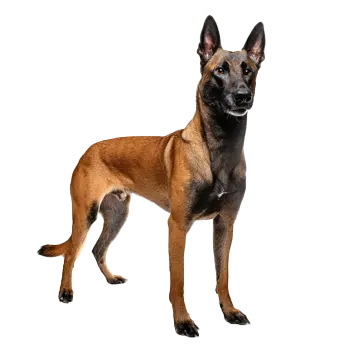

Recognizing when a Belgian Malinois is approaching the end of its life requires both medical knowledge and the intimate understanding that comes from years of daily companionship. The signs may develop gradually over weeks and months or emerge more suddenly following a diagnosis of terminal illness. In either case, the ability to observe honestly and interpret clearly is a final act of devotion to a dog that has given so much.
Physical decline manifests in ways both subtle and unmistakable. A Malinois that once moved with fluid athleticism may struggle to stand, walk unsteadily, or collapse under its own weight. Appetite often diminishes progressively, beginning with selectivity about foods and advancing to complete refusal. Incontinence may develop as the body's systems lose coordination. Breathing may become labored or irregular. Chronic conditions such as cancer, organ failure, or severe arthritis may progress past the point where medical management provides meaningful relief.
Behavioral changes often accompany or precede physical decline. A Belgian Malinois that was always at its owner's side may seek solitude, withdrawing to quiet corners or showing less interest in interaction. Conversely, some dogs become more clingy and anxious as they feel their body failing. Loss of interest in activities the dog once loved, whether retrieving, walking, or simply greeting family members at the door, is a significant indicator that the dog's experience of daily life has fundamentally changed.
The distinction between a bad day and a trend is important. Every aging dog has occasional off days, and a single instance of reduced appetite or increased stiffness does not necessarily signal the end. However, when bad days begin outnumbering good ones, when recovery from difficult episodes takes longer, and when the overall trajectory is clearly downward despite appropriate medical care, it is time to begin thinking about the decisions ahead. Your veterinarian can help you assess where your dog is on this trajectory and what options remain.