
Peak Health Maintenance

The adult Belgian Laekenois, generally considered fully mature between two and three years of age, enters its prime years as a strong, athletic, and mentally sharp companion. This period, which extends until roughly seven to eight years of age, represents the time when the dog is at its physical peak and when proactive health maintenance yields the greatest long-term benefits. Establishing consistent routines for veterinary care, nutrition, exercise, and mental enrichment during these years helps prevent problems and ensures the longest possible period of vigorous good health.

Annual veterinary examinations are the cornerstone of adult health maintenance. These visits should include a thorough physical examination, assessment of body condition, dental evaluation, and discussion of any behavioral changes the owner has observed. Routine blood work, even in apparently healthy dogs, can detect early signs of organ dysfunction, metabolic disorders, or other conditions that benefit from early intervention. Vaccination boosters, parasite prevention, and heartworm testing should follow the schedule recommended by your veterinarian based on your geographic area and the dog's lifestyle.

The Belgian Laekenois is generally a healthy breed, but like all purebred dogs, it has certain predispositions that owners should be aware of. Conditions such as hip and elbow dysplasia, progressive retinal atrophy, and epilepsy have been reported in the breed. Awareness of these predispositions allows owners and veterinarians to monitor for early signs and take preventive measures where possible. Maintaining a healthy weight, providing appropriate exercise, and avoiding activities that place excessive strain on joints all contribute to reducing orthopedic risk.

Prevention extends beyond the veterinary clinic. Owners should perform regular at-home health checks, including examining the dog's eyes, ears, skin, coat, and feet. Monitoring for lumps, changes in appetite or thirst, alterations in energy level, and shifts in behavior provides valuable information that can help catch health issues early. Keeping a simple health log can make it easier to notice gradual changes that might otherwise go undetected.

Nutrition at Maturity

Feeding the adult Belgian Laekenois requires balancing caloric intake with energy expenditure to maintain an ideal body condition. This breed's high activity level means that many adults require more calories than comparably sized but less active breeds, but the specific amount varies significantly depending on the individual dog's metabolism, activity level, and body composition. A high-quality adult dog food formulated for active medium to large breeds provides an appropriate nutritional foundation.

Body condition scoring is the most reliable method for determining whether a Belgian Laekenois is at its ideal weight. The ribs should be easily felt but not prominently visible, and there should be a visible waist when the dog is viewed from above. An hourglass shape from the side, with the abdomen tucking up behind the rib cage, indicates good condition. Dogs that are carrying excess weight should have their caloric intake reduced gradually, as even moderate obesity increases the risk of joint problems, metabolic disease, and reduces overall lifespan.

The adult Laekenois typically does well on two meals per day, which helps maintain stable blood sugar levels and reduces the risk of bloat, a serious condition that can affect deep-chested breeds. Meal portions should be measured rather than estimated, and adjustments made based on changes in activity level, body condition, or health status. Seasonal variations in activity, such as reduced exercise during extreme weather, should be reflected in corresponding dietary adjustments.

Supplementation is generally unnecessary when feeding a complete and balanced commercial diet, but there are situations where targeted supplements may be beneficial. Joint supplements containing glucosamine and chondroitin may support joint health in active dogs, and omega-3 fatty acids can benefit skin and coat condition. Any supplementation should be discussed with your veterinarian to ensure compatibility with the dog's diet and health status.

Exercise & Fitness

The adult Belgian Laekenois is a breed that requires substantial daily exercise to remain physically fit and mentally balanced. A minimum of one to two hours of vigorous activity per day is typical for this breed, though many individuals are happy with even more. This exercise should include a mix of structured activities such as walks, runs, or training sessions and unstructured play that allows the dog to move freely and explore its environment.

The Laekenois excels in a wide range of canine sports and activities that provide both physical and mental challenges. Agility, herding trials, tracking, obedience competition, and protection sports are all activities where the breed's intelligence, athleticism, and drive to work can be channeled productively. Participation in organized activities also strengthens the bond between dog and handler and provides socialization opportunities that benefit the dog's overall behavior.

Variety in exercise is important for preventing both physical overuse injuries and mental boredom. Alternating between different types of activities, varying walking routes, and introducing new challenges keeps the dog engaged and distributes physical stress across different muscle groups and joints. Swimming is an excellent low-impact exercise option for the Belgian Laekenois and can be particularly valuable for dogs with early signs of joint wear or those recovering from minor injuries.

Mental exercise should not be overlooked as a component of the adult Laekenois's fitness program. Puzzle feeders, scent work, hide-and-seek games, and learning new commands or tricks all provide cognitive stimulation that is essential for this highly intelligent breed. A Belgian Laekenois that receives adequate mental exercise alongside physical activity is calmer, more settled in the home, and less likely to develop destructive behaviors born of boredom or frustration.

Preventive Health Care

Preventive health care for the adult Belgian Laekenois encompasses a broad range of practices designed to catch potential problems early and reduce the risk of disease. Regular veterinary examinations, typically scheduled annually for healthy adults, provide an opportunity for comprehensive assessment and early detection. As the dog moves through its adult years, your veterinarian may recommend increasing the frequency of visits or adding specific screenings based on the dog's age and health history.

Parasite prevention is a year-round concern for most Belgian Laekenois owners. Flea, tick, and heartworm prevention should be maintained consistently, with products and schedules tailored to the dog's environment and lifestyle. Tick-borne diseases are of particular concern for dogs that spend time in wooded or grassy areas, and prompt tick removal combined with awareness of symptoms such as lethargy, fever, and joint pain helps ensure early treatment when exposure occurs.

Vaccination protocols for adult dogs have evolved significantly, with many veterinarians now tailoring boosters to the individual dog's risk profile rather than administering all vaccines annually. Core vaccines are typically boosted on a three-year cycle after the initial adult series, while non-core vaccines such as those for leptospirosis, Lyme disease, or canine influenza are administered based on regional prevalence and the dog's exposure risk. Titer testing, which measures the dog's existing antibody levels, is available as an alternative to routine boosters for some vaccines.

Eye examinations, orthopedic evaluations, and thyroid screening are additional preventive measures that may be recommended for the Belgian Laekenois during adulthood. These screenings can detect conditions in their early stages when treatment is most effective and management options are broadest. Owners who are proactive about preventive care consistently report better long-term health outcomes and lower overall veterinary costs for their dogs.

Behavioral Maturity

The Belgian Laekenois typically reaches full behavioral maturity between two and three years of age, though some individuals continue to refine their temperament well into their third year. At maturity, the breed's defining characteristics become fully expressed: keen alertness, strong loyalty to family, a confident but discerning attitude toward strangers, and a deep desire to work and engage with their handler. Understanding and working with these traits, rather than against them, is the key to a harmonious relationship with an adult Laekenois.

The mature Belgian Laekenois forms exceptionally strong bonds with its family and can be quite sensitive to changes in household dynamics, routines, and emotional atmosphere. Major life changes such as moves, the addition of new family members, or changes in the owner's schedule can affect the dog's behavior and well-being. Maintaining consistency in daily routines, providing clear expectations, and ensuring the dog continues to feel secure in its role within the household all help the Laekenois navigate transitions smoothly.

Ongoing training and mental engagement remain important throughout the adult years. The Belgian Laekenois is not a breed that can be trained to a basic standard and then left to coast. Regular reinforcement of commands, introduction of new skills, and continued participation in activities that challenge the dog's mind keep the Laekenois sharp and responsive. Many owners find that their adult Laekenois is more focused and capable in training than it was as an adolescent, making this an ideal time to pursue advanced training goals.

The breed's protective instincts are well-developed in adulthood and can manifest as territorial behavior, wariness toward unfamiliar visitors, or alerting to unusual activity. These behaviors are a natural expression of the breed's heritage and purpose, but they require ongoing management to ensure they remain appropriate. Continued socialization, clear handler guidance, and positive reinforcement for calm behavior in the presence of strangers help maintain a balanced expression of the Laekenois's protective nature.

Dental & Grooming

Dental care is one of the most commonly neglected aspects of adult dog health, yet periodontal disease affects the majority of dogs by the time they reach middle age. For the Belgian Laekenois, establishing a dental care routine during adulthood helps prevent the pain, infection, and tooth loss associated with advanced dental disease. Daily tooth brushing with a canine-specific toothpaste is the gold standard, though even brushing several times per week provides significant benefit compared to no home dental care.

Professional dental cleanings performed by a veterinarian under anesthesia may be recommended periodically based on the dog's dental health. These cleanings allow for thorough scaling below the gum line, assessment of individual tooth health, and treatment of any issues that have developed. Between professional cleanings, owners should monitor for signs of dental problems including bad breath, reluctance to eat hard food, drooling, pawing at the mouth, and visible tartar buildup on the teeth.

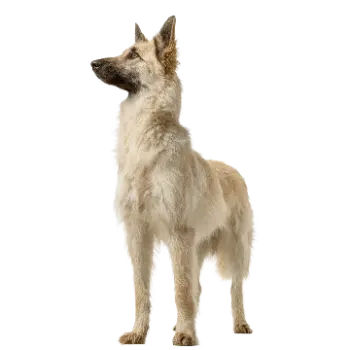
The Belgian Laekenois has a distinctive rough, wiry coat that requires regular grooming to maintain its texture and condition. Unlike the smooth-coated Belgian Malinois or the long-coated Tervuren, the Laekenois coat is tousled and somewhat unkempt in appearance by design. Brushing two to three times per week with a slicker brush or pin brush helps remove loose hair, prevent matting, and distribute natural skin oils throughout the coat. The coat should not be trimmed excessively, as the rough texture is a defining breed characteristic.

Bathing should be done only as needed, typically every few months or when the dog is notably dirty, as frequent bathing can strip the coat's natural oils and alter its texture. Regular maintenance should also include nail trimming every two to three weeks, ear cleaning as needed to prevent wax buildup and infection, and inspection of the paw pads for cracks, foreign objects, or irritation. These grooming sessions also provide an opportunity to examine the dog's skin for lumps, parasites, or areas of irritation that might otherwise go unnoticed.

Always consult a qualified professional before making any health-related decisions. This content is provided for informational reference only and should not replace professional guidance specific to your animal.