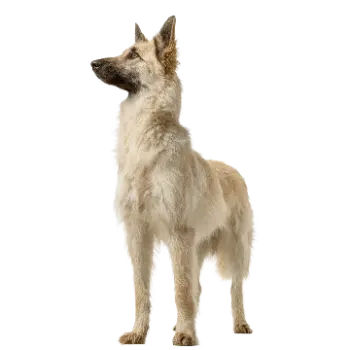

Responsible breeding of the Belgian Laekenois begins long before any mating takes place, with a thorough assessment of both the potential sire and dam's readiness for reproduction. Physical maturity is a prerequisite, and most experts recommend that females not be bred before their second or third heat cycle, typically around 18 to 24 months of age, to ensure that skeletal and organ development is complete. Males are generally capable of siring litters earlier, but waiting until at least two years of age allows for a more complete health and temperament evaluation.
Health testing is a critical component of breeding readiness for the Belgian Laekenois. Both the sire and dam should undergo screening for conditions known to occur in the breed, including hip and elbow dysplasia evaluation through radiographic assessment, eye examinations by a veterinary ophthalmologist, and any available genetic tests relevant to the breed. These results should be documented and shared transparently with potential puppy buyers. Breeding dogs that have not been health-tested puts future generations at unnecessary risk.
Temperament assessment is equally important in a breed as sensitive and intelligent as the Belgian Laekenois. Dogs selected for breeding should demonstrate stable, confident temperaments that are representative of the breed standard. Nervousness, excessive aggression, or extreme shyness are traits that can be passed to offspring and should be considered disqualifying for breeding purposes. Ideally, breeding candidates should have demonstrated their temperament and working ability through titles in obedience, herding, agility, or other performance events.
The Belgian Laekenois is the rarest of the four Belgian Shepherd varieties, which places additional responsibility on breeders to make informed decisions that support the long-term health and genetic diversity of the breed. Working with breed clubs, consulting with experienced mentors, and studying pedigrees to avoid excessive inbreeding are all practices that contribute to the preservation and improvement of this uncommon breed.