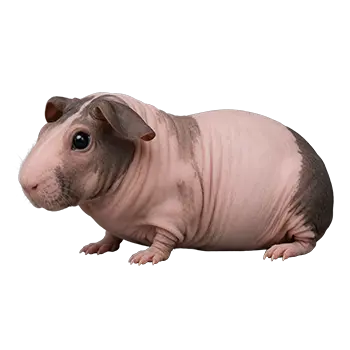

Guinea pigs are generally considered senior around four to five years of age, though the transition is gradual and varies between individuals. With a typical lifespan of five to seven years, a Baldwin entering its senior phase still has a meaningful amount of life ahead, and attentive care during this period can significantly influence both its quality of life and longevity. There is no single event that marks the shift to senior status; rather, it is a collection of subtle changes that accumulate over time.
You may first notice that your Baldwin is slightly less active than it was during its prime years. Popcorning becomes less frequent, and the guinea pig may prefer resting in its favorite hideout to exploring during floor time. Sleep patterns may shift, with the senior Baldwin napping more frequently throughout the day. These changes are a natural part of aging and do not necessarily indicate illness, but they do signal that it is time to adjust your care approach.
A baseline senior wellness exam with your veterinarian is an important step at this stage. This visit establishes current weight, dental condition, organ function, and any emerging health trends that can be monitored going forward. Many veterinarians recommend increasing checkup frequency to twice per year for senior guinea pigs, as age-related conditions can develop and progress quickly in animals with fast metabolisms and short lifespans.
The skin of a senior Baldwin may undergo noticeable changes. It may become thinner, drier, or less elastic, and existing pigmentation patterns may shift slightly. Some seniors develop small benign growths or skin tags that should be monitored for changes in size or appearance. While most skin changes in aging Baldwins are cosmetic, any lump that grows rapidly, changes color, or ulcerates should be evaluated by a veterinarian to rule out more serious conditions.