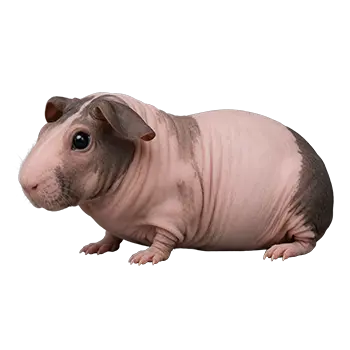

Breeding Baldwin guinea pigs is a serious undertaking that requires thorough preparation, knowledge of the breed's genetics, and a commitment to the health and welfare of both parents and offspring. Before considering a breeding program, assess whether you have the resources, time, and veterinary support necessary to manage a pregnancy, birth, and the care of multiple pups through weaning and placement in responsible homes.
Female Baldwins reach sexual maturity as early as four weeks of age, but this does not mean they are ready to breed. The ideal first breeding window for a female guinea pig is between five and seven months of age. This timing is critical because of a unique anatomical feature of guinea pigs: the pubic symphysis, a cartilaginous joint in the pelvis, begins to fuse after approximately seven to eight months of age. A female bred for the first time after this fusion has occurred faces a dramatically higher risk of dystocia, a life-threatening condition where the pups cannot pass through the birth canal. If a female has not been bred by ten months, most veterinarians advise against breeding her at all.
Male Baldwins reach sexual maturity around three to five weeks of age, though they should not be used for breeding until they are at least four to five months old, when they have reached sufficient size and physical maturity. The male should be in excellent health, at a stable weight, with healthy skin and no signs of genetic conditions that could be passed to offspring. Both the male and female should receive a thorough pre-breeding veterinary examination.
Because the Baldwin's hairlessness is a recessive genetic trait, understanding the genetics behind the breed is essential before pairing animals. Breeding two Baldwins together will produce all hairless offspring, while crossing a Baldwin with a carrier produces a mix of hairless and furred pups that carry the gene. Responsible breeders keep detailed records of lineage to avoid inbreeding and to track the expression of the hairless gene across generations.