
Recognizing the Signs

As a Baldwin guinea pig reaches the end of its natural lifespan or faces a terminal illness, certain signs indicate that the body is beginning to slow down in ways that are no longer reversible. Recognizing these signs early allows you to shift your focus from curative care to comfort care, ensuring your guinea pig's remaining time is as peaceful and pain-free as possible.

The most common indicators include a progressive loss of appetite that does not respond to dietary changes or favorite treats, significant and sustained weight loss, and a marked decrease in activity. Your Baldwin may stop greeting you at the cage bars, cease vocalizing, and show little interest in its cage mates or surroundings. It may spend most of its time in a single hiding spot, emerging less and less frequently. These behavioral withdrawals often signal that the guinea pig is conserving what little energy it has left.

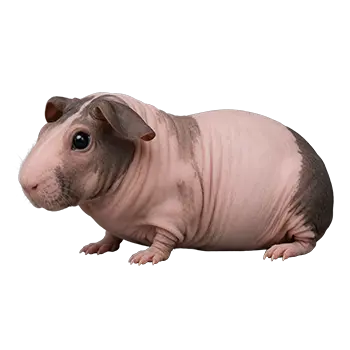
Physical signs can include labored or noisy breathing, a dull or sunken appearance to the eyes, a noticeable drop in body temperature especially in the extremities, and changes in the skin such as increased dryness, pallor, or a loss of elasticity. In hairless Baldwins, these skin changes are immediately visible and can be among the earliest objective indicators that the body's systems are failing. Incontinence, difficulty maintaining balance, and a general loss of muscle tone may also develop.

It is important to distinguish between a treatable illness and the natural dying process. A guinea pig that is suddenly ill may show many of the same signs but could recover with appropriate veterinary treatment. If your Baldwin develops concerning symptoms, seek veterinary evaluation to determine whether the condition is manageable. The decision to pursue treatment versus comfort care depends on the diagnosis, the guinea pig's overall condition, its response to previous treatments, and an honest assessment of its quality of life.

Palliative & Hospice Care

Palliative care for a Baldwin guinea pig focuses on maintaining comfort, managing pain, and preserving dignity during the final stage of life. The goal is not to cure the underlying condition but to ensure the guinea pig experiences as little suffering as possible. Work closely with your veterinarian to develop a palliative care plan tailored to your Baldwin's specific needs and condition.

Pain management is the foundation of hospice care. Guinea pigs are stoic animals that hide pain instinctively, so assume that any terminal condition involves some degree of discomfort. Your veterinarian can prescribe appropriate pain medications, which may include anti-inflammatory drugs or opioid-based analgesics depending on the condition. Administer medications consistently and on schedule, and report any changes in behavior that might indicate the pain is not adequately controlled.

Nutritional support often becomes a central part of hospice care. A guinea pig that has stopped eating on its own may benefit from assisted feeding with a critical care supplement mixed to a smooth consistency and offered via syringe. Feed small amounts frequently rather than large volumes at once, and hold the guinea pig in a comfortable, upright position during feeding. If the guinea pig resists feeding, fights the syringe, or shows signs of distress during the process, it may be time to reevaluate whether assisted feeding is extending comfort or prolonging suffering.

Environmental comfort is especially important for a hairless Baldwin in hospice. Keep the enclosure warm, quiet, and softly lit. Use extra-soft fleece bedding to cushion the body and prevent pressure sores. Place food, water, and the hiding spot within easy reach so the guinea pig does not need to travel far. If the guinea pig has cage mates, observe whether their presence is comforting or stressful. Some dying guinea pigs seek the warmth and company of their companions, while others prefer solitude.

The Decision

Deciding when to euthanize a beloved pet is one of the most difficult choices a caregiver faces. There is no single right moment, and the decision is deeply personal. However, keeping your guinea pig's quality of life at the center of the decision helps ensure that the choice is made with compassion and clarity rather than delayed by the natural human desire to hold on.

Many veterinarians and animal welfare organizations suggest evaluating quality of life across several dimensions: pain, hunger, hydration, hygiene, happiness, mobility, and the ratio of good days to bad days. When a guinea pig is consistently experiencing more suffering than comfort, when it has stopped eating and drinking, when it can no longer maintain basic hygiene, or when pain cannot be adequately managed, euthanasia becomes an act of mercy rather than giving up.

Discuss the decision with your veterinarian, who can provide an objective clinical assessment of your Baldwin's condition and prognosis. If there is a realistic chance of recovery with treatment, your vet will tell you. If the condition is terminal and the guinea pig's quality of life is declining, your vet can help you understand what the remaining trajectory is likely to look like and whether comfort can be maintained. Some caregivers find it helpful to set a specific threshold in advance, such as deciding that if the guinea pig stops eating for 48 hours or can no longer stand, it will be time.

Give yourself permission to grieve before, during, and after the decision. There is no weakness in struggling with this choice. Many caregivers find it helpful to talk with others who have experienced pet loss, whether friends, family, online communities, or pet loss support services. The fact that you are considering this decision carefully and with your guinea pig's welfare as the priority is itself an expression of the love and responsibility that defined your relationship.

The Process

Understanding what happens during euthanasia can help reduce fear and anxiety about the process. Euthanasia for guinea pigs is a gentle, painless procedure performed by a veterinarian. The goal is to end suffering quickly and humanely, allowing the guinea pig to pass peacefully.

The procedure typically involves an injection of a concentrated anesthetic agent, most commonly a barbiturate, that causes rapid loss of consciousness followed by cardiac arrest within seconds to minutes. Some veterinarians administer a sedative beforehand to ensure the guinea pig is fully relaxed and unaware before the final injection. The sedative may be given as an injection or through a face mask with gas anesthesia. Discuss the specific protocol with your veterinarian in advance so you know what to expect.

Many veterinarians offer the option of being present during the procedure, and some provide in-home euthanasia services, which can be less stressful for both the guinea pig and the caregiver. If you choose to be present, you can hold your Baldwin in your hands or on a soft towel during the process. The guinea pig may take a few final breaths or exhibit minor muscle twitches after passing, which are reflexive and do not indicate pain or consciousness. Your veterinarian will confirm when the heart has stopped.

If you have other guinea pigs in the household, some caregivers choose to allow them a brief period with the deceased companion afterward. There is anecdotal evidence that this can help surviving guinea pigs adjust to the loss, though opinions among veterinarians and behaviorists vary. Whether or not you choose to do this, monitor your remaining guinea pigs closely in the days following the loss for signs of grief, reduced appetite, or withdrawal, and provide extra attention and comfort.

Aftercare Options

After your Baldwin has passed, you will need to make decisions about the care of the remains. Several options are available, and the right choice depends on your personal preferences, beliefs, and circumstances. Your veterinarian can help facilitate whichever option you choose.

Home burial is a common choice for many small pet owners. If local regulations permit backyard burial, choose a location that is away from water sources and at a depth of at least two to three feet to prevent disturbance by wildlife. A small box or cloth wrapping provides a dignified resting place. Some families mark the burial site with a plant, stone, or small garden as a living memorial.

Cremation is available through most veterinary practices, either through the clinic directly or through a partnered pet cremation service. You may choose between communal cremation, where the remains are cremated with other animals, or private cremation, where you receive your pet's ashes in a container of your choosing. Private cremation allows you to keep the ashes, scatter them in a meaningful location, or place them in a memorial urn.

Some caregivers choose to create lasting memorials beyond the physical remains. Paw print impressions, clay molds, custom artwork, memorial jewelry, and photo albums are all meaningful ways to honor the bond you shared with your Baldwin. Planting a tree or dedicating a section of a garden to your guinea pig's memory creates a living tribute that grows and changes with the seasons. Whatever form your memorial takes, it serves as a tangible connection to the relationship you built over your guinea pig's lifetime.

Grief & Healing

The grief that follows the loss of a guinea pig is real, valid, and sometimes surprisingly intense. People who have not experienced a close bond with a small pet may underestimate the depth of attachment that develops through years of daily care, shared routines, and quiet companionship. Do not let anyone diminish your grief by suggesting that the loss of a guinea pig is less significant than the loss of a larger pet. Your relationship with your Baldwin was unique, and your grief reflects the depth of that bond.

Grief manifests differently for everyone. You may experience sadness, anger, guilt, numbness, or a sense of emptiness. You might find yourself listening for familiar sounds, reaching for the cage out of habit, or feeling a wave of emotion when you encounter reminders of your guinea pig in unexpected moments. All of these responses are normal and healthy parts of the grieving process. Allow yourself to feel them without judgment.

Support is available in many forms. Online communities of guinea pig owners and pet loss forums provide spaces where your grief will be understood and validated by people who have experienced similar losses. Some areas have pet loss hotlines and support groups facilitated by trained counselors. Talking about your guinea pig, sharing stories and photos, and remembering the personality quirks that made your Baldwin unique are all healthy ways to process your loss and celebrate the life you provided.

When you are ready, consider how you want to move forward. Some caregivers find that adopting another guinea pig, or a pair, helps fill the quiet left behind. Others need more time before they are ready for a new companion. If you have surviving guinea pigs, remember that they are also adjusting to the loss of a group member and may need extra companionship and attention. There is no timeline for grief, and there is no wrong way to honor the memory of a beloved pet. The care you gave your Baldwin throughout its life, including the compassion you showed at its end, is a testament to the bond between caregiver and animal.

Always consult a qualified professional before making any health-related decisions. This content is provided for informational reference only and should not replace professional guidance specific to your animal.