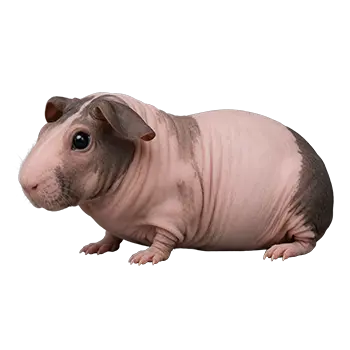

Baldwin guinea pig pups arrive in the world remarkably precocial compared to many small mammals. They are born fully furred with open eyes, functional ears, and a full set of teeth. Unlike adult Baldwins, newborn pups are covered in a soft coat of fur that they will gradually lose over the coming weeks. This initial fur provides essential warmth during the vulnerable first day of life, but caregivers should still ensure the environment is draft-free and consistently warm.
Within the first hour, healthy Baldwin pups should begin nursing from their mother. They are surprisingly mobile at birth and will attempt to walk and explore their surroundings almost immediately. It is important to observe each pup to confirm that it successfully latches and nurses, as pups that fail to feed within the first few hours face a steep decline in energy and body temperature. Weigh each pup at birth and record the weight as a baseline for tracking daily gains.
The birthing area should be clean, dry, and maintained at a temperature between 72°F and 78°F. Avoid using loose bedding materials that could cling to the pups or obstruct their airways. Fleece liners or soft towels are excellent choices during this stage. Remove any soiled bedding promptly to reduce the risk of bacterial infections. The mother should have access to fresh water and high-quality hay immediately after delivery, as her nutritional demands spike during nursing.
Handle newborn Baldwins gently and only as needed during the first 24 hours. While guinea pigs are generally tolerant of human contact, the mother needs a calm environment to bond with her litter and begin consistent nursing. If the litter is large, watch for smaller or weaker pups being pushed away from the mother during feeding sessions. In such cases, you may need to rotate pups to ensure each one receives adequate colostrum, which is critical for immune protection.