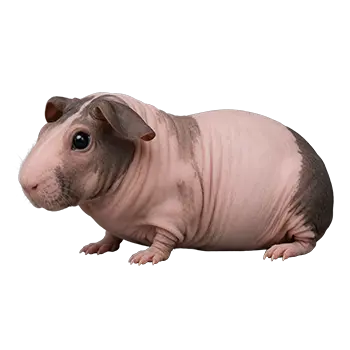

A Baldwin guinea pig is considered a full adult by approximately six months of age, and the prime years extend to around four years old depending on the individual. During this stage, the Baldwin has reached its full size, its skin has settled into its mature pigmentation and texture, and its personality is well established. The goal during the adult years is to maintain the excellent health your guinea pig developed during its growth phase through consistent, proactive care.
Regular veterinary checkups are the cornerstone of adult health maintenance. Schedule a comprehensive wellness exam at least once per year with a veterinarian experienced in exotic small animals. These visits should include a full physical examination, dental assessment, and discussion of diet and behavior. Because Baldwins are hairless, skin abnormalities that might be hidden under fur in other breeds are visible to the naked eye, which is an advantage for early detection of lumps, bumps, rashes, or parasites.
Between veterinary visits, conduct weekly home health assessments. Weigh your Baldwin at the same time each week and track the results. A stable adult weight is a strong indicator of overall health, while unexplained weight changes of more than 50 grams in either direction warrant investigation. Check the eyes, ears, and nose for discharge. Inspect the skin for dryness, sores, or fungal patches. Examine the footpads for signs of bumblefoot, which hairless breeds are more susceptible to due to their sensitive skin.
Vitamin C supplementation remains a lifelong necessity. Adult guinea pigs need approximately 10 to 30 milligrams of vitamin C daily, with higher amounts during times of stress, illness, or recovery. Fresh bell peppers, dark leafy greens, and a small amount of vitamin C–fortified pellets typically meet this requirement. Avoid vitamin C drops in the water, as the vitamin degrades rapidly when dissolved and can alter the taste of the water, potentially reducing intake.