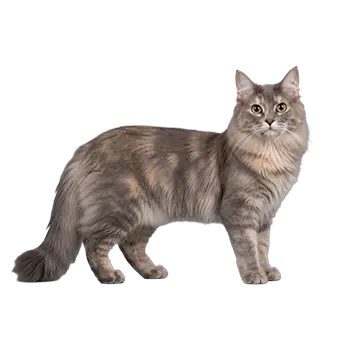

When Does Senior Begin?

Determining when a Tiffanie transitions from a mature adult into the senior stage is not as straightforward as circling a date on the calendar. Most veterinary organizations consider cats to be senior at around eleven years of age, with the geriatric classification beginning at approximately fifteen years. However, individual cats age at different rates depending on genetics, lifestyle, diet, and the quality of preventive care they have received throughout their lives.

The Tiffanie, with a typical lifespan of twelve to sixteen years, often enters the senior phase in good physical condition thanks to the breed's generally robust constitution. You may notice the first subtle signs of aging as a gradual reduction in activity level, a slight decrease in muscle mass over the hindquarters, or a shift in sleeping patterns toward longer and more frequent rest periods. These changes often develop so gradually that they are easy to overlook unless you are watching for them.

It is helpful to think of the senior transition not as a single event but as a continuum. Some Tiffanies remain remarkably active and alert well into their teens, while others begin showing their age a year or two earlier than expected. The key is to adjust your care approach in response to the individual cat's needs rather than rigidly adhering to age-based milestones.

Discussing your Tiffanie's entry into the senior years with your veterinarian allows you to proactively modify the care plan. Increased veterinary visit frequency, dietary adjustments, and environmental modifications can all be introduced gradually to support a comfortable transition rather than scrambling to address problems after they become advanced.

Mobility & Joint Health

Joint stiffness and reduced mobility are among the most common challenges facing senior Tiffanies. Osteoarthritis affects a significant proportion of aging cats, though its signs are often subtler than in dogs. Rather than obvious limping, a cat with joint discomfort may hesitate before jumping onto a favorite perch, take the long way around to avoid stairs, or groom certain areas of its body less thoroughly because the contortion required to reach them has become painful.

Environmental modifications can make a meaningful difference in a senior Tiffanie's daily comfort. Provide steps or ramps to help the cat access favorite elevated spots such as beds, sofas, and window sills. Replace high-sided litter boxes with low-entry versions that do not require the cat to lift its legs uncomfortably high. Ensure that food, water, and litter boxes are all located on the same floor of the home if navigating stairs has become difficult.

Gentle, consistent exercise remains important for maintaining joint flexibility and muscle mass. Short, low-intensity play sessions encourage the cat to move without overtaxing painful joints. Interactive toys that slide along the floor rather than requiring leaping and acrobatic catches are often better suited to a senior cat's capabilities.

If you suspect your Tiffanie is experiencing joint pain, consult your veterinarian. There are several approaches to managing feline arthritis, including joint-supportive nutritional supplements, therapeutic diets, environmental modifications, and in some cases prescribed medications. Your veterinarian can recommend the most appropriate combination based on the severity of the condition and the cat's overall health profile.

Cognitive Changes

Cognitive dysfunction syndrome is an age-related condition that affects some senior and geriatric cats, producing changes in behavior, awareness, and learned habits. A Tiffanie experiencing cognitive decline may seem disoriented in familiar surroundings, vocalize loudly at night for no apparent reason, forget previously reliable litter box habits, or stare blankly at walls. These signs can develop gradually or appear to emerge suddenly, and they should always be evaluated by a veterinarian to rule out medical causes such as hypertension, hyperthyroidism, or pain.

Maintaining mental stimulation throughout the senior years can help support cognitive function. Continue to engage your aging Tiffanie with gentle interactive play, food puzzles adapted to its physical capabilities, and varied sensory experiences such as safe herbs to sniff or different textures to explore. Novel but non-threatening stimuli encourage the brain to remain active and may slow the progression of cognitive changes.

Routine is a powerful anchor for a senior cat whose cognitive abilities may be declining. Keep feeding times, sleeping arrangements, and household schedules as consistent as possible. Avoid rearranging furniture or making dramatic environmental changes that could increase confusion and anxiety. A night light in hallways and frequently used rooms can help a disoriented cat navigate after dark.

The emotional impact of cognitive changes on the owner can be significant, particularly for a breed as emotionally connected as the Tiffanie. A cat that once greeted you at the door and followed you from room to room may now seem distant or confused. Understanding that these changes are neurological rather than a reflection of your bond can help you respond with patience and continued affection rather than frustration.

Nutrition for Aging

Nutritional needs shift as a Tiffanie enters its senior years. Aging cats often experience changes in digestive efficiency, kidney function, and metabolic rate that require dietary adjustments. A senior-formulated cat food typically features highly digestible protein sources, controlled phosphorus levels to support kidney health, added antioxidants, and caloric density calibrated for the reduced activity level of an older cat.

Weight management becomes a two-sided concern in the senior years. Some older Tiffanies tend toward weight gain as their activity decreases while their appetite remains stable. Others experience the opposite problem, losing weight and muscle mass despite adequate food intake, which can indicate underlying conditions such as hyperthyroidism, diabetes, kidney disease, or dental pain that makes eating uncomfortable. Regular weigh-ins, at least monthly, help track trends before they become critical.

Hydration is especially important for senior cats, whose kidneys may be working less efficiently and whose thirst drive may diminish. Offer multiple water stations throughout the home, consider a circulating water fountain, and increase the proportion of wet food in the diet. Some owners add a small amount of warm water to wet food to further boost fluid intake, which many cats accept readily.

If your veterinarian diagnoses a specific condition such as chronic kidney disease or diabetes, a prescription therapeutic diet may be recommended. These diets are formulated to manage specific medical conditions and should only be used under veterinary guidance. Transition to any new diet gradually over seven to ten days to minimize digestive upset, and monitor your Tiffanie's acceptance and response carefully.

Increased Veterinary Care

Senior Tiffanies benefit from more frequent veterinary visits, with most practitioners recommending examinations every six months rather than annually. These semi-annual visits allow for closer monitoring of the age-related conditions that become increasingly common as cats move into their senior and geriatric years. Comprehensive blood panels, urinalysis, blood pressure measurement, and thyroid screening become standard components of the senior wellness exam.

Kidney disease is one of the most prevalent conditions in aging cats and often develops gradually over months or years before clinical signs become apparent. Routine blood work can detect elevated kidney values at a stage when dietary management and supportive care can significantly slow progression and maintain quality of life. Early detection through regular screening is vastly preferable to diagnosis after the cat has become visibly ill.

Hyperthyroidism, caused by an overactive thyroid gland, is another condition that frequently appears in senior cats. Symptoms include weight loss despite increased appetite, restlessness, rapid heart rate, and changes in coat quality. A simple blood test can confirm the diagnosis, and several effective treatment options are available. Left untreated, hyperthyroidism can cause secondary heart and kidney damage.

Dental disease often accelerates in senior cats, and the Tiffanie is no exception. Painful teeth and gums can cause a cat to eat less, drool, or paw at its mouth, but many cats hide oral discomfort remarkably well. Regular dental examinations, potentially including dental radiographs, are essential for identifying problems that are invisible on surface inspection. Addressing dental pain can produce a dramatic improvement in an older cat's appetite, comfort, and overall demeanor.

Quality of Life Assessment

As your Tiffanie moves deeper into its senior years, periodically assessing quality of life becomes an important and compassionate responsibility. Quality of life is not measured by a single metric but by a holistic evaluation of the cat's comfort, contentment, and ability to engage in the activities that give it pleasure. A cat that still purrs when stroked, shows interest in its surroundings, eats willingly, and sleeps comfortably is generally enjoying a good quality of life even if it has slowed down considerably.

Several structured quality-of-life scales exist that can help owners move beyond subjective impressions and evaluate their cat's status across multiple dimensions. These scales typically assess factors such as pain levels, appetite, hydration, hygiene, mobility, happiness, and the proportion of good days versus bad days. Filling out such a scale at regular intervals creates a documented record of trends that can guide conversations with your veterinarian.

Pain management is central to maintaining quality of life in an aging Tiffanie. Cats are notoriously skilled at concealing discomfort, so the absence of obvious pain behaviors does not necessarily mean the cat is pain-free. Subtle indicators such as reluctance to jump, decreased grooming, changes in facial expression, and withdrawal from social interaction can all signal unaddressed pain. Work with your veterinarian to develop a pain management plan that may include medications, environmental modifications, and complementary therapies.

Open and honest communication with your veterinarian about your Tiffanie's day-to-day experience is invaluable during this stage. Your observations at home provide critical context that a brief clinic visit cannot capture. Together, you and your veterinarian can make informed decisions that prioritize your cat's comfort and dignity as it navigates the natural process of aging.

Always consult a qualified professional before making any health-related decisions. This content is provided for informational reference only and should not replace professional guidance specific to your animal.