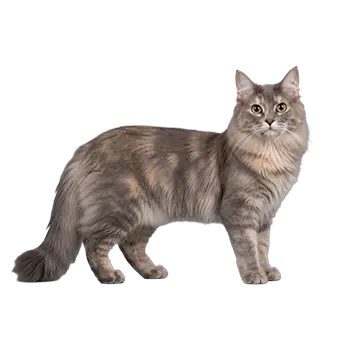

The juvenile stage for a Tiffanie cat spans roughly from three months to around twelve months of age, though some individuals continue filling out until they are closer to two years old. During this period, the kitten undergoes a dramatic transformation from a compact, round-faced baby into a leggy, sometimes gangly adolescent whose body seems to grow in uneven spurts. The hind legs may temporarily appear longer than the front, and the overall proportions will shift repeatedly before settling into the balanced, medium-bodied frame the breed is known for.
The Tiffanie's signature semi-long coat begins to develop its true character during the juvenile months. The kitten fluff gradually gives way to a silkier, more flowing texture, and the ruff around the neck and the plume of the tail become increasingly pronounced. Coat color may also deepen or shift subtly as the adult pigmentation comes in, so do not be alarmed if the shade you see at four months differs from what you see at ten months.
Weight gain should be steady but not excessive. A healthy juvenile Tiffanie will typically weigh between 1.5 and 3 kilograms during this phase, depending on age and sex. Regular weigh-ins every two weeks help track the growth trajectory and catch potential problems early. If you notice a sudden plateau or rapid gain that seems disproportionate to the kitten's frame, discuss it with your veterinarian to rule out dietary or metabolic issues.
Teething is a significant milestone during the juvenile period. Between three and a half and six months of age, the deciduous baby teeth are replaced by permanent adult teeth. You may find tiny teeth on the floor or notice the kitten chewing more vigorously on toys and objects. Provide appropriate chew toys and inspect the mouth periodically to ensure that no baby teeth are retained alongside incoming permanent ones, as retained teeth can cause alignment issues.