
Peak Health Maintenance

The adult years represent the Tiffanie at its physical and behavioral peak, a period that generally spans from around one to two years of age through approximately ten years. During this time, the cat's body systems are fully developed, its temperament has settled into the affectionate and even-keeled disposition the breed is loved for, and health maintenance shifts from developmental monitoring to preventive care and lifestyle optimization.

Annual veterinary examinations form the cornerstone of adult health maintenance. Even when your Tiffanie appears perfectly healthy, a yearly checkup allows your veterinarian to detect subtle changes in weight, dental health, organ function, and musculoskeletal condition that may not be apparent at home. Blood work and urinalysis performed at regular intervals establish baseline values that become invaluable for comparison if illness develops later.

Vaccination boosters should be administered according to the schedule your veterinarian recommends based on your cat's lifestyle and risk factors. Indoor-only Tiffanies may require fewer vaccinations than those with outdoor access, but core vaccines remain important for all cats. Parasite prevention, including flea, tick, and intestinal worm control, should be maintained year-round even for indoor cats, as parasites can enter homes on clothing, shoes, and other pets.

Daily observation remains your most powerful health tool. You know your Tiffanie's habits, appetite, litter box patterns, and energy levels better than anyone. Changes in any of these areas, even seemingly minor ones, can be early indicators of developing health issues. A cat that suddenly drinks more water, eats less, or hides more than usual warrants a closer look.

Nutrition at Maturity

Once your Tiffanie has finished growing, the transition to an adult maintenance diet ensures caloric intake matches the cat's lower energy demands. Overfeeding during the adult years is one of the most common contributors to feline obesity, a condition that significantly increases the risk of diabetes, joint disease, and urinary tract problems. Choose a high-quality adult cat food with animal-based protein as the primary ingredient and feed measured portions rather than relying on the cat to self-regulate.

The ideal weight for an adult Tiffanie varies by individual, but most fall between 3.5 and 5.5 kilograms. Use your veterinarian's body condition scoring system to assess whether your cat is at a healthy weight. You should be able to feel the ribs with light pressure, see a visible waist from above, and notice a slight abdominal tuck from the side. If your Tiffanie is trending toward overweight, reduce portion sizes gradually rather than making abrupt changes.

Wet food offers hydration benefits that are particularly valuable for cats, whose ancestors evolved in arid environments and whose thirst drive is relatively weak. A diet that incorporates at least some wet food helps support kidney function and urinary tract health. Many owners find that a combination of wet and dry food provides both the moisture benefits of canned food and the dental and convenience advantages of kibble.

Treats should constitute no more than ten percent of your Tiffanie's daily caloric intake. While treats are useful training tools and bonding aids, excessive treat feeding can unbalance the diet and contribute to weight gain. Avoid feeding table scraps, as many common human foods are toxic or inappropriate for cats, and the habit encourages begging behavior.

Exercise & Fitness

Adult Tiffanies retain a playful spirit that makes daily exercise both achievable and enjoyable. While they are not as relentlessly energetic as their juvenile selves, they still require regular physical and mental stimulation to maintain muscle tone, healthy weight, and psychological well-being. Aim for at least two interactive play sessions per day, adjusting the intensity and duration to your individual cat's preferences and fitness level.

Rotating toys keeps the Tiffanie engaged and prevents the boredom that comes from encountering the same stimuli every day. Put out a selection of toys for a week, then swap them for a different set. When the first group reappears after a break, it feels novel again. Wand toys that mimic the movement of prey remain favorites throughout the adult years, engaging the cat's stalking, chasing, and pouncing instincts.

Environmental enrichment extends exercise beyond structured play sessions. Window perches that offer views of outdoor activity, bird feeders positioned within sight, and catios or enclosed outdoor spaces provide passive entertainment that keeps the mind active. The Tiffanie's curiosity and intelligence make it a good candidate for clicker training and simple tricks, which combine mental exercise with physical movement.

Monitor your adult Tiffanie for any decline in activity that seems out of character. A healthy adult cat should still show enthusiasm for play, even if sessions are shorter than they were in kittenhood. Sudden reluctance to jump, play, or move may indicate pain, illness, or the early stages of a joint issue that warrants veterinary investigation.

Preventive Health Care

Preventive care during the adult years focuses on catching problems before they become serious. In addition to the annual veterinary exam, pay particular attention to dental health, which is one of the most commonly neglected areas of feline care. Periodontal disease affects the majority of cats over the age of three and can lead to chronic pain, tooth loss, and systemic infections that impact the heart, kidneys, and liver.

Your veterinarian may recommend professional dental cleanings at intervals determined by your Tiffanie's individual dental health. At home, daily tooth brushing using a cat-specific toothpaste is the gold standard, though many owners find that dental treats, water additives, or dental-diet formulations serve as practical supplements when brushing is not tolerated.

Urinary tract health deserves attention in all adult cats, and especially in breeds that may be predisposed to crystalluria or cystitis. Encourage adequate water intake by providing multiple fresh water sources, considering a water fountain, and incorporating wet food into the diet. Monitor litter box habits for changes in frequency, volume, straining, or the presence of blood, any of which should prompt a veterinary visit.

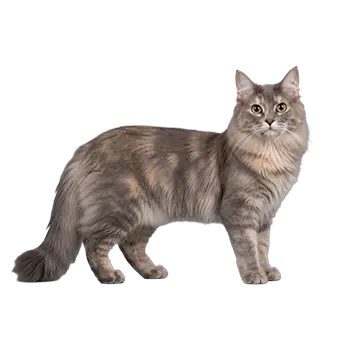
Skin and coat condition serve as visible indicators of overall health. The Tiffanie's semi-long, silky coat should be glossy and free of mats, flaking, or excessive shedding outside of normal seasonal changes. Dull coat, bald patches, or persistent scratching may point to nutritional deficiencies, allergies, parasites, or hormonal imbalances that require professional evaluation.

Behavioral Maturity

By the time a Tiffanie reaches full adulthood, its personality is largely established. The breed's hallmark traits of affection, gentleness, and sociability are typically on full display, and the cat has settled into reliable routines around feeding, sleep, play, and social interaction. Adult Tiffanies tend to form deep bonds with their owners and often follow household members from room to room, seeking proximity without being excessively demanding.

Despite this settled temperament, behavioral issues can arise in adulthood due to environmental changes, stress, or underlying medical conditions. A move to a new home, the addition of a new pet or family member, or changes in the owner's schedule can trigger stress responses such as inappropriate elimination, excessive vocalization, or withdrawal. Address these situations by maintaining as much routine consistency as possible and providing the cat with safe, quiet retreat spaces.

Aggression in adult Tiffanies is uncommon but should always be taken seriously when it occurs. Pain is one of the most frequent causes of sudden aggression in previously gentle cats, so a veterinary examination should be the first step. If medical causes are ruled out, consider whether environmental factors such as territorial disputes with other pets, redirected aggression from outdoor stimuli, or fear responses might be at play.

The adult years are an excellent time to deepen the bond with your Tiffanie through continued training, interactive play, and quiet companionship. Cats that receive consistent positive attention during their prime years develop a level of trust and communication with their owners that enriches both lives and provides a strong foundation for the senior years ahead.

Dental & Grooming

The Tiffanie's semi-long coat is one of the breed's most striking features, and regular grooming is essential to keeping it in top condition throughout the adult years. Unlike some longhaired breeds, the Tiffanie's coat lacks a dense undercoat, which means it is less prone to severe matting but still benefits from brushing two to three times per week. A stainless steel comb and a slicker brush are effective tools for working through the coat, removing loose hair, and distributing natural oils.

Pay particular attention to areas where friction causes tangles, including behind the ears, under the forelegs, and along the belly and inner thighs. If a mat does form, work it apart gently with your fingers or a dematting tool rather than cutting it out with scissors, which risks cutting the skin. Regular grooming sessions also provide an opportunity to check for lumps, skin irritation, parasites, and other abnormalities that might otherwise go unnoticed beneath the coat.

Dental care is equally important and deserves the same routine attention as coat maintenance. Begin or continue daily tooth brushing using a soft-bristled cat toothbrush and enzymatic toothpaste formulated for felines. Never use human toothpaste, as the fluoride and foaming agents are harmful if swallowed. If your Tiffanie resists brushing, work up to it gradually by first letting the cat taste the toothpaste, then touching the gums with a finger, and eventually introducing the brush.

Nail trimming should be performed every two to three weeks, or as needed based on your cat's activity level and scratching habits. Indoor cats that do not wear down their claws naturally on outdoor surfaces are especially prone to overgrown nails that can curve into the paw pads. Ear cleaning should be done as needed when you notice visible wax buildup, using a veterinarian-recommended ear cleaning solution and a soft cotton pad.

Always consult a qualified professional before making any health-related decisions. This content is provided for informational reference only and should not replace professional guidance specific to your animal.