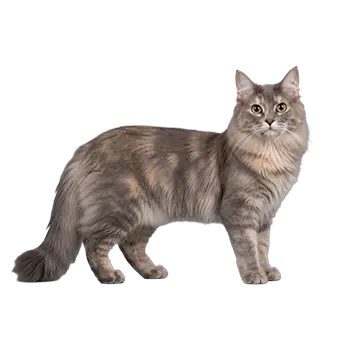

The First 24 Hours

The first day of a Tiffanie kitten's life is a critical period that sets the foundation for healthy development. Kittens are born with their eyes and ear canals sealed shut, relying entirely on their sense of touch and smell to navigate toward their mother. A healthy Tiffanie newborn will instinctively begin rooting for a nipple within the first hour, and successful latching during this window is essential for receiving colostrum, the nutrient-dense first milk that provides vital antibodies.

During these initial hours, the queen will actively clean each kitten, stimulating their breathing and circulation through vigorous licking. This grooming also encourages the kittens to urinate and defecate, as newborns cannot eliminate on their own. If the mother is attentive and the kittens are nursing steadily, minimal human intervention is needed, though quiet observation from a respectful distance is wise.

Watch for kittens that appear significantly smaller than their littermates, seem unable to latch, or are pushed to the edges of the nesting area. A kitten that cries persistently or feels cold to the touch may need supplemental warmth or assisted feeding. Keep a veterinarian's contact information readily available during this period, as prompt action in the first day can mean the difference between a thriving kitten and one that struggles.

The birthing area should be kept dim, quiet, and free from household traffic. Tiffanie queens tend to be devoted mothers, but excessive disturbance can cause stress that interferes with bonding and nursing. Provide fresh water and high-quality food within easy reach of the queen so she does not need to leave her kittens for extended periods.

Nursing & Nutrition

Tiffanie kittens depend exclusively on their mother's milk for the first three to four weeks of life. The queen's milk provides a perfectly balanced combination of proteins, fats, and immune-supporting compounds that no artificial substitute can fully replicate. Kittens should nurse frequently, typically every one to two hours during the first week, with intervals gradually lengthening as they grow.

Monitor the kittens' weight daily using a small kitchen scale. Healthy Tiffanie newborns generally weigh between 85 and 120 grams at birth and should gain approximately 10 to 15 grams per day. Consistent weight gain is the single most reliable indicator that nursing is going well. A kitten that fails to gain weight or loses weight over consecutive days needs veterinary attention.

If the queen is unable to nurse due to illness, injury, or an exceptionally large litter, you may need to supplement with a kitten milk replacer formulated specifically for cats. Never use cow's milk or human infant formula, as these contain lactose levels and nutrient ratios that are inappropriate for feline digestive systems and can cause severe diarrhea. Bottle-feed supplemented kittens in a natural belly-down position to reduce the risk of aspiration.

The queen herself requires significantly increased caloric intake during nursing, often two to three times her normal maintenance diet. Offer a high-quality kitten-formulated food, as its elevated protein and fat content supports milk production. Fresh water should be available at all times, since adequate hydration directly affects the quantity and quality of her milk supply.

Developmental Milestones

Tiffanie kittens progress through a series of predictable developmental stages during their first weeks. During the first week, their primary activities are sleeping and nursing, with very limited movement consisting of slow crawling using their front legs. By the end of the first week, their umbilical cord stumps should have dried and fallen off naturally.

Around days ten to fourteen, the kittens' eyes begin to open, initially appearing a hazy blue regardless of their eventual adult eye color. Their ear canals also begin to open during this period, and you may notice the kittens startling at sudden sounds. Vision and hearing will continue to sharpen over the following weeks, and the characteristic Tiffanie eye color will develop gradually over several months.

By the third week, kittens begin to stand on wobbly legs and take their first tentative steps. Their baby teeth start to emerge, and they become increasingly aware of their littermates, engaging in the earliest forms of social play. This is also when they begin to develop the ability to regulate their own body temperature, though they still rely heavily on their mother and littermates for warmth.

Weeks four and five bring rapid changes as kittens become more coordinated and curious. They begin exploring beyond the nesting box, their play becomes more complex, and the weaning process can be introduced with shallow dishes of softened kitten food. The semi-long coat that is characteristic of the Tiffanie breed begins to show its texture during this period, though the full plume and silkiness will develop over many months.

Temperature & Environment

Newborn Tiffanie kittens are unable to regulate their own body temperature for roughly the first three weeks of life. Their survival depends on external heat sources, primarily their mother and littermates huddled together in the nest. A healthy newborn kitten should feel warm to the touch, and the nesting area should be maintained at approximately 29 to 32 degrees Celsius during the first week, gradually decreasing to around 27 degrees by the end of week two.

The nesting box should be placed in a draft-free area away from windows, exterior doors, and air conditioning vents. Line it with soft, washable bedding that provides traction for tiny paws. Avoid loose towels with dangling threads, as these can wrap around delicate limbs. A heating pad set on its lowest setting and placed under one half of the bedding gives kittens the ability to move toward or away from the heat source as needed.

Humidity is an often overlooked aspect of the newborn environment. Excessively dry air can irritate developing respiratory passages, while overly humid conditions promote bacterial and fungal growth. Aim for a moderate household humidity level and ensure the nesting area stays clean and dry. Bedding should be changed whenever it becomes soiled.

As kittens grow and begin thermoregulating on their own around the third to fourth week, you can gradually reduce supplemental heat. Watch for signs of temperature distress at any age: kittens that feel cool and limp are too cold, while those that spread apart from their littermates and pant may be overheated. Maintaining the right thermal environment reduces stress on the queen and allows kittens to direct their energy toward growth rather than heat production.

Early Socialization

The socialization window for kittens is remarkably brief, with the most sensitive period falling between approximately two and seven weeks of age. For Tiffanie kittens, whose breed is known for its affectionate and people-oriented temperament, early positive experiences with humans and varied stimuli lay the groundwork for the confident, sociable adult cat this breed is prized for being.

During the first two weeks, socialization consists primarily of gentle handling. Pick up each kitten briefly and stroke it softly, allowing it to become accustomed to human scent and touch. Keep handling sessions short, just a few minutes at a time, and always return the kitten to its mother promptly. The queen's calm acceptance of your presence signals safety to the kittens.

From weeks three through five, as the kittens' senses sharpen and their mobility increases, begin introducing low-level household sounds such as soft music, conversational voices, and the hum of normal appliances. Expose them to different textures underfoot and gentle variations in their surroundings. Each new experience should be introduced gradually, ensuring the kittens never appear overwhelmed or frightened.

If there are other pets or children in the household, carefully supervised introductions can begin once the kittens are steady on their feet and the queen is relaxed about the proximity. The goal is to build a broad repertoire of positive associations that will make the Tiffanie kitten adaptable and relaxed in a variety of environments as it matures.

Health Screening & Vet Visits

A veterinary examination within the first few days of life is recommended for all Tiffanie litters, particularly for first-time queens or litters that had a difficult delivery. The veterinarian will check each kitten for congenital abnormalities such as cleft palate, heart murmurs, and limb deformities, and will assess overall vitality and hydration.

During the first two weeks, your primary health monitoring tool at home is the daily weigh-in. Record each kitten's weight at the same time each day and watch for consistent gains. In addition to weight tracking, observe the kittens for any nasal discharge, labored breathing, persistent crying, or diarrhea. Fading kitten syndrome, a constellation of symptoms rather than a single disease, can progress rapidly and requires immediate veterinary intervention.

The first round of vaccinations typically begins between six and eight weeks of age, covering core feline diseases. Your veterinarian will establish a vaccination schedule tailored to the kittens' health status and risk factors. Deworming usually begins at around two weeks of age, as intestinal parasites can be transmitted from the queen during nursing.

Keep a health journal for the litter noting daily weights, feeding patterns, stool consistency, and any behavioral observations. This record becomes invaluable if a veterinary visit is needed, providing your vet with a clear timeline that aids diagnosis. The Tiffanie breed does not have a high incidence of breed-specific neonatal issues, but vigilant monitoring remains the best defense against early health challenges.

When to Worry

Knowing when a situation requires urgent attention is one of the most important skills for anyone caring for newborn Tiffanie kittens. While most litters progress smoothly under an attentive queen, certain warning signs should never be ignored. A kitten that feels noticeably cooler than its littermates, refuses to nurse, or has been pushed away from the group is in potential danger and needs immediate intervention.

Persistent crying is another significant red flag. Healthy, well-fed kittens spend most of their time sleeping quietly between nursing sessions. A kitten that cries continuously may be cold, hungry, in pain, or developing an illness. Check the basics first: warmth, access to a nipple, and abdominal fullness. If the kitten continues to cry after these needs are addressed, contact your veterinarian.

Diarrhea in newborn kittens can escalate from a minor concern to a life-threatening situation within hours due to rapid dehydration. Normal kitten stool is soft but formed and yellowish in color. Watery, greenish, or blood-tinged stools require prompt veterinary evaluation. Similarly, a distended or taut abdomen can indicate overfeeding, constipation, or a more serious internal issue.

Respiratory distress, visible as open-mouth breathing, wheezing, or bubbling at the nostrils, demands emergency veterinary care. Aspiration pneumonia, which can occur when milk enters the lungs during nursing or supplemental feeding, progresses quickly in neonatal kittens. When in doubt about the severity of any symptom, err on the side of caution and seek professional guidance rather than adopting a wait-and-see approach.

Always consult a qualified professional before making any health-related decisions. This content is provided for informational reference only and should not replace professional guidance specific to your animal.