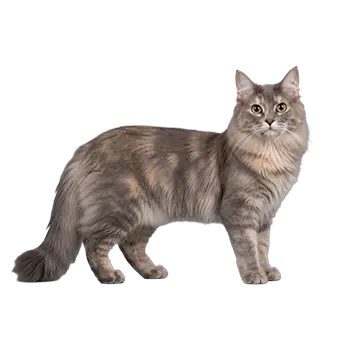

Breeding Readiness

Determining whether a Tiffanie is ready for breeding involves far more than confirming that the cat has reached sexual maturity. While females may experience their first heat cycle as early as five to six months of age, responsible breeders wait until the queen is physically and emotionally mature before considering a mating. Most veterinarians and experienced breeders recommend that a Tiffanie queen be at least twelve to eighteen months old and have completed her own growth before her first breeding, ensuring that her body is prepared to support a healthy pregnancy without compromising her own development.

A thorough pre-breeding veterinary examination is essential for both the queen and the stud. This evaluation should include a complete physical exam, blood work, screening for feline leukemia virus and feline immunodeficiency virus, and assessment of overall body condition. The queen should be at a healthy weight, neither overweight nor underweight, and free from any chronic health conditions that could complicate pregnancy or be passed to offspring.

Genetic screening plays a critical role in responsible Tiffanie breeding. Understanding the lineage of both parents helps breeders avoid doubling up on recessive genes associated with hereditary health conditions. Reputable breed registries maintain pedigree databases that allow breeders to assess the degree of relatedness between prospective mating pairs and make informed decisions about which pairings are most likely to produce healthy, well-conformed kittens.

Temperament should also factor into the breeding decision. The Tiffanie is prized for its gentle, affectionate personality, and breeding cats that exemplify these traits helps preserve the breed's character for future generations. Cats that are excessively fearful, aggressive, or temperamentally unstable should not be bred, regardless of their physical qualities.

The Heat Cycle

The Tiffanie queen is a seasonally polyestrous breeder, meaning she cycles repeatedly during the breeding season, which is influenced by daylight length. In indoor environments with artificial lighting, queens may cycle year-round. Understanding the stages of the estrous cycle is essential for timing a successful mating and for recognizing normal reproductive behavior.

The proestrus phase lasts one to two days and is characterized by subtle behavioral changes. The queen may become more affectionate, rub against surfaces and people more frequently, and vocalize more than usual. She may attract male attention but will not yet accept mating. This brief phase transitions into estrus, the period of true receptivity, which typically lasts four to seven days in the absence of mating.

During estrus, the queen displays unmistakable behavioral signs including loud, persistent calling, rolling on the floor, treading with the hind legs, and assuming a lordosis position with the rear elevated and the tail deflected to one side. These behaviors can be intense and are often startling to owners who have not witnessed them before. The Tiffanie's sociable nature can make her estrus calls particularly insistent, as she actively seeks attention and companionship.

Cats are induced ovulators, meaning that ovulation is triggered by the physical act of mating rather than occurring spontaneously. Multiple matings over the course of estrus increase the likelihood of ovulation and successful conception. If the queen is not mated, she will cycle out of estrus and typically return to proestrus within one to three weeks, repeating the pattern throughout the breeding season.

Pregnancy & Gestation

Gestation in the Tiffanie lasts approximately sixty-three to sixty-seven days from the date of successful mating. During the first three weeks, external signs of pregnancy are minimal, and confirmation typically requires a veterinary examination. Ultrasound can detect fetal heartbeats as early as three weeks after mating, while gentle abdominal palpation by an experienced veterinarian may identify developing embryos around the third to fourth week.

As pregnancy progresses into the fourth and fifth weeks, visible changes become apparent. The queen's nipples darken and enlarge in a process known as pinking up, and her abdomen begins to expand. Appetite increases significantly during the second half of pregnancy, and the queen should be transitioned to a high-quality kitten-formulated food that provides the elevated calories, protein, and nutrients needed to support fetal development and prepare her body for nursing.

The queen's behavior may shift during pregnancy. Many Tiffanies become increasingly affectionate and seek more physical contact with their owners, while others prefer more solitude as the pregnancy advances. Both responses are normal. Provide the queen with a calm, stress-free environment and avoid unnecessary changes to her routine or surroundings.

Veterinary monitoring during pregnancy helps identify potential complications early. A radiograph taken after approximately day forty-five can reveal the number of kittens and their positioning, which is valuable information for planning the delivery. Discuss warning signs with your veterinarian so you know when to seek emergency assistance, such as labor that stalls for more than an hour between kittens, heavy bleeding, or signs of extreme distress in the queen.

Queening Preparation

Preparing for the birth of a Tiffanie litter requires both practical setup and emotional readiness. Begin assembling a queening box approximately two weeks before the expected delivery date, giving the queen time to explore and accept it as her nesting space. The box should be large enough for the queen to stretch out fully, with sides high enough to contain the kittens but low enough for the queen to step in and out easily.

Line the queening box with soft, washable materials such as fleece pads or clean towels. Avoid loose fabrics with threads or loops that could entangle tiny limbs. Place the box in a quiet, warm, low-traffic area of the home where the queen feels secure. Introducing her to the box with treats, meals, and gentle encouragement helps establish it as a positive space before labor begins.

Assemble a queening supply kit that includes clean towels, sterile scissors for cutting umbilical cords if necessary, unwaxed dental floss for tying off cords, a bulb syringe for clearing airways, a kitchen scale for weighing kittens, kitten milk replacer as a precaution, feeding bottles, and your veterinarian's emergency contact number. Having these supplies organized and accessible reduces stress during the delivery.

As the due date approaches, monitor the queen for pre-labor signs. Her body temperature may drop below 37.8 degrees Celsius approximately twelve to twenty-four hours before labor begins. She may become restless, refuse food, and seek out her nesting box. Some queens become unusually vocal or clingy in the hours preceding delivery. Familiarize yourself with the stages of normal feline labor so you can distinguish between healthy progression and situations that require veterinary intervention.

Postpartum Care

The first few days after delivery are a critical period for both the Tiffanie queen and her kittens. The queen should be attentive, nursing her kittens regularly, keeping them clean, and staying close to the nest. Provide her with fresh food and water within easy reach so she does not need to leave the kittens for extended periods. Her caloric needs are now at their highest, often two to three times her normal maintenance intake, so offer a nutrient-dense kitten food in multiple small meals throughout the day.

Monitor the queen's physical recovery closely. A small amount of vaginal discharge is normal for up to three weeks after delivery, gradually changing from reddish-brown to clear before ceasing entirely. Foul-smelling, heavy, or bright red discharge beyond the first day or two may indicate retained placenta or uterine infection and requires immediate veterinary attention. Check the queen's mammary glands daily for signs of mastitis, which presents as hot, swollen, painful tissue that may feel hard to the touch.

The queen's emotional state deserves attention alongside her physical recovery. Most Tiffanie queens are devoted and instinctive mothers, but first-time queens may be uncertain or anxious. Minimize household disruption, limit the number of visitors, and allow the queen to establish her confidence without interference. Handle the kittens gently and briefly during the first week, primarily for health checks and weight monitoring, and always return them to the queen promptly.

If the litter is large or the queen's milk supply is insufficient, supplemental bottle feeding may become necessary. Watch for kittens that are noticeably smaller than their littermates, cry excessively, or fail to gain weight despite appearing to nurse. These kittens may need additional support with a kitten milk replacer to ensure they receive adequate nutrition during the critical first weeks.

Responsible Breeding Ethics

Breeding Tiffanie cats carries an ethical responsibility that extends well beyond the mechanics of mating and delivering kittens. A responsible breeder approaches each litter with the goal of improving the breed's health, temperament, and conformation while ensuring that every kitten produced has a secure, loving home waiting for it. Breeding purely for profit, novelty, or without careful planning contributes to feline overpopulation and undermines the well-being of the cats involved.

Health testing is a non-negotiable component of ethical breeding. Both the queen and the stud should be screened for hereditary conditions relevant to the breed, and their pedigrees should be evaluated for patterns of disease that might indicate genetic risk. Breeders have a responsibility to maintain transparency about health testing results and to share relevant information with kitten buyers, other breeders, and breed registries.

The welfare of the queen must always take precedence over production goals. A responsible breeder limits the frequency of litters to allow the queen adequate time to recover physically and emotionally between pregnancies. Most ethical guidelines recommend no more than one litter per year and a maximum of three to four litters over a queen's lifetime. Retiring breeding queens to permanent pet homes where they receive the same quality of care they have always known is another hallmark of responsible practice.

Kitten placement should be handled with the same care as every other aspect of the breeding program. Screen prospective owners carefully, provide comprehensive information about the breed's needs and characteristics, and offer ongoing support after placement. A responsible breeder is willing to take back any kitten they have produced at any point in its life if the owner can no longer provide adequate care. This commitment to lifetime responsibility distinguishes ethical breeders from those who treat cats as commodities.

Always consult a qualified professional before making any health-related decisions. This content is provided for informational reference only and should not replace professional guidance specific to your animal.