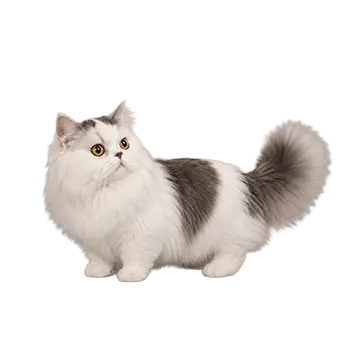

Napoleon cats are generally considered senior once they reach approximately seven to eight years of age, though the onset of age-related changes varies significantly from one individual to another. Some Napoleons remain energetic and youthful well into their tenth year, while others begin to show subtle signs of slowing earlier. The transition from adult to senior is rarely abrupt. Instead, it manifests as a gradual shift in activity patterns, sleep duration, and physical resilience.
Veterinary organizations typically classify cats aged seven to ten as mature, with the senior designation applied from age eleven onward and geriatric status beginning around fifteen. These categories are guidelines rather than rigid thresholds, and a Napoleon's individual health history, genetics, and lifestyle all influence the pace of aging. Cats that have received consistent preventive care throughout their adult years often enter the senior stage in better condition than those with gaps in their health management.
Recognizing the early signs of aging helps owners adapt care proactively rather than reactively. Common early indicators include a slight reduction in play intensity, increased sleeping, minor changes in coat texture or luster, and subtle weight fluctuations. Some senior Napoleons develop a preference for warmer resting spots or become less tolerant of environmental disruptions they once ignored. These changes are normal parts of aging but should always be mentioned to your veterinarian to distinguish them from symptoms of treatable conditions.
The most important mindset shift for Napoleon owners entering the senior care stage is moving from annual veterinary visits to semi-annual examinations. Cats age at a rate roughly equivalent to four human years for every calendar year during the senior period, meaning six months can bring significant physiological changes. More frequent check-ups allow for earlier detection and intervention.