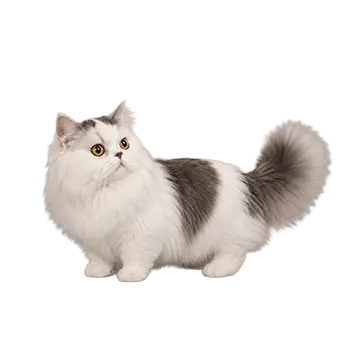

The Napoleon cat reaches full physical maturity between one and two years of age and enters a prime period that typically lasts until around seven to eight years. During these years, the breed's naturally sturdy constitution and easygoing temperament make health maintenance relatively straightforward, provided owners stay consistent with routine care. The goal during this stage is to preserve optimal health through prevention rather than reaction.
Annual veterinary wellness examinations are the cornerstone of adult health maintenance. Each visit should include a thorough physical assessment, weight evaluation, dental inspection, and discussion of any behavioral changes. Blood work and urinalysis performed every one to two years during the prime period establish baseline values that become invaluable for detecting early changes as the cat ages. Because Napoleons descend partly from Persian lines, your veterinarian may recommend periodic screening for polycystic kidney disease if genetic testing was not performed earlier.
Parasite prevention should continue year-round even for indoor-only Napoleons. Fleas, intestinal parasites, and heartworm can all find their way into indoor environments through open windows, other pets, or human clothing. Discuss an appropriate preventive protocol with your veterinarian based on your geographic region and the cat's lifestyle. Keeping vaccinations current according to your veterinarian's recommended schedule is equally important, even for cats that never venture outdoors.
Maintaining a stable, enriching home environment contributes significantly to a Napoleon's overall well-being during adulthood. These cats thrive on routine and form deep bonds with their families. Major household disruptions such as moves, new pets, or changes in family composition can affect appetite, litter box habits, and general demeanor. Whenever possible, introduce changes gradually and provide the cat with a secure retreat space where it can decompress.