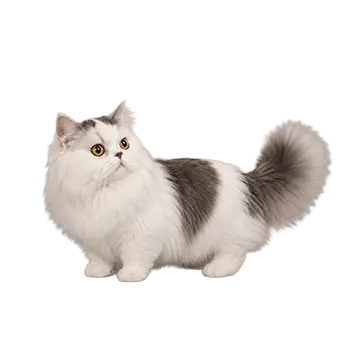

Breeding Readiness

Breeding a Napoleon cat responsibly requires thorough preparation that extends well beyond waiting for sexual maturity. While female Napoleons may experience their first estrus cycle as early as five to six months of age, physical and emotional readiness for breeding does not arrive until the queen is at least twelve to eighteen months old and has reached her full adult weight and skeletal development. Breeding a cat that is still growing diverts nutritional resources away from her own development and increases the risk of complications during pregnancy and delivery.

Before any breeding takes place, both the queen and the stud should undergo comprehensive health screening. For Napoleons, this includes testing for polycystic kidney disease, hypertrophic cardiomyopathy, and feline leukemia and feline immunodeficiency virus. Genetic testing for the munchkin gene status is also essential, as breeding two short-legged Napoleons together produces a proportion of homozygous embryos that are not viable. A responsible breeder pairs a short-legged cat with a standard-legged cat to avoid this lethal combination.

Temperament evaluation is an important but sometimes overlooked component of breeding readiness. The Napoleon breed is valued for its gentle, sociable personality, and breeding should prioritize cats that exemplify these traits. A queen or stud that is fearful, aggressive, or chronically stressed is not an appropriate breeding candidate regardless of physical conformation, because temperament has a significant hereditary component and stressed parents produce stressed offspring.

Financial preparedness is equally critical. Responsible breeding involves costs for health testing, quality nutrition, veterinary care throughout pregnancy, potential emergency interventions including cesarean delivery, kitten vaccinations, and microchipping. Breeders should have an emergency fund set aside before breeding begins, as complications can arise without warning and the costs of a difficult delivery or sick kitten can be substantial.

The Estrus Cycle

The Napoleon queen is a seasonally polyestrous breeder, meaning she cycles repeatedly during periods of increasing daylight, typically from early spring through autumn. Indoor cats exposed to artificial lighting may cycle year-round. Each estrus cycle lasts approximately four to ten days, and if the queen is not bred, she will come out of heat briefly before cycling again, often within one to three weeks. This rapid cycling pattern means that an unspayed queen living with an intact male is almost certain to become pregnant.

Behavioral signs of estrus in a Napoleon queen are usually unmistakable. She may vocalize loudly and persistently, adopt a mating posture with her hindquarters elevated and tail deflected to one side, roll on the floor, and become unusually affectionate or restless. Some queens lose their appetite during estrus or urinate more frequently to spread pheromones. These behaviors can be disconcerting for first-time breeders but are entirely normal and indicate the queen is physiologically ready to mate.

Cats are induced ovulators, meaning the queen does not release eggs until the physical stimulus of mating triggers ovulation. Multiple matings over the course of one to two days increase the likelihood of successful fertilization. Breeders typically allow the pair supervised access to each other once the queen shows receptive behavior and the stud demonstrates interest. Post-mating, the queen may exhibit a brief aggressive response before calming and allowing subsequent matings.

Tracking estrus cycles over several months before the intended breeding provides valuable data about the individual queen's pattern length and behavioral intensity. This information helps breeders plan matings strategically and identify any irregularities that might warrant veterinary investigation. A queen with irregular, extremely short, or prolonged cycles may have underlying hormonal imbalances that affect fertility.

Pregnancy & Gestation

Gestation in Napoleon cats lasts approximately 63 to 67 days from the date of successful mating, with 65 days being the average. Confirmation of pregnancy can be obtained through veterinary palpation at around three weeks, or via ultrasound between days 25 and 30. Ultrasound provides the additional benefit of estimating litter size and confirming fetal viability through detection of heartbeats, which helps the breeder prepare for the number of kittens expected.

Nutritional demands increase significantly during pregnancy, particularly in the latter half. The queen should be transitioned to a high-quality kitten-formula food by the third week of gestation, as the elevated calorie, protein, and calcium content supports fetal development and prepares the mother's body for lactation. Meal portions should increase gradually, and by the final two weeks of pregnancy, the queen may need up to fifty percent more food than her normal adult intake. Small, frequent meals accommodate the reduced stomach capacity caused by the growing uterus.

Physical changes become visible around the fourth week, when the queen's abdomen begins to enlarge and the nipples become more prominent and develop a deeper pink color, a change known as pinking up. The queen may become quieter and more sedentary as pregnancy progresses, seeking out warm, secluded resting spots. Some queens become unusually affectionate during pregnancy, while others prefer more solitude. Both responses are normal.

Veterinary monitoring during pregnancy should include at least one mid-gestation checkup and a pre-delivery examination during the final week. The pre-delivery visit allows the veterinarian to assess fetal positioning and size, evaluate the queen's overall condition, and discuss the birth plan. Because Napoleon queens with flatter facial profiles or narrow pelvic structures may face increased delivery challenges, having an emergency plan and your veterinarian's after-hours contact information readily available is essential.

Queening Preparation

Preparing for delivery, known as queening in cats, should begin at least two weeks before the expected due date. Set up a queening box in a quiet, warm, dimly lit area of the home where the queen feels safe. The box should be large enough for the queen to stretch out fully but have sides high enough to contain the kittens during their first few weeks. Line it with clean, soft, washable towels or blankets, and place a removable waterproof layer underneath to protect against birth fluids.

Introduce the queen to the queening box well in advance so she becomes comfortable using it as a resting spot. Place some of her used bedding inside to add familiar scent, and encourage her to sleep there by making it the most comfortable option available. Some queens will choose their own birthing location regardless of preparation, but offering an appealing space increases the likelihood she will use it. If she insists on a different spot, accommodate her preference as long as the location is safe and accessible.

Assemble a queening supply kit that includes clean towels, sterile scissors and thread for umbilical cord emergencies, a bulb syringe for clearing mucus from kitten airways, a digital scale for weighing kittens, a heating pad, kitten milk replacer and small bottles in case supplemental feeding is needed, and your veterinarian's emergency contact number. Having these items organized and within reach eliminates the frantic scramble that accompanies unexpected complications.

As the due date approaches, monitor the queen for signs of impending labor. A drop in rectal temperature below 99 degrees Fahrenheit often occurs twelve to twenty-four hours before delivery begins. The queen may become restless, vocalize more than usual, refuse food, and begin nesting behavior such as pawing at bedding and circling in the queening box. These pre-labor signs indicate that active delivery will likely begin within the next day.

Postpartum Care

The hours and days following delivery are a critical period for both the queen and her kittens. Immediately after the last kitten is born, confirm that the queen has expelled a placenta for each kitten delivered. Retained placentas can cause serious uterine infection, so a veterinary examination within 24 hours of delivery is strongly recommended to verify that the uterus is clearing properly and that the queen is recovering normally.

The queen's nutritional needs during lactation are the highest of her entire life, often requiring two to three times her normal caloric intake depending on litter size. Continue feeding the high-calorie kitten-formula food in generous portions, offering meals three to four times daily or providing constant access to food during the peak lactation period. Fresh water must be available at all times, as dehydration reduces milk production rapidly. Monitor the queen's body condition carefully; she should not lose excessive weight during nursing.

Post-delivery vaginal discharge is normal for up to three weeks and should gradually decrease in volume and transition from dark red or brown to clear. Foul-smelling discharge, bright red bleeding that increases rather than decreases, fever, lethargy, or refusal to nurse the kittens are all warning signs that require immediate veterinary attention. Mastitis, an infection of the mammary glands, can also occur and presents as hot, swollen, painful teats that may produce discolored milk.

The queen's emotional well-being is as important as her physical recovery. Allow her to bond with her kittens without excessive handling during the first week. Limit visitors and keep noise levels low. A stressed or anxious queen may neglect or even harm her kittens, so maintaining a calm, supportive environment is essential. Gradually reintroduce normal household routines over the following weeks as the queen settles into her maternal role and the kittens become more robust.

Responsible Breeding Ethics

Ethical breeding of Napoleon cats carries responsibilities that extend far beyond producing kittens with desirable physical traits. The breed's genetic foundation involves the autosomal dominant munchkin gene, which in its homozygous form is lethal. This means that every breeding decision must account for the genetic implications of the pairing. Responsible breeders never mate two short-legged cats together, as the resulting homozygous offspring are not viable and reabsorb during early gestation, reducing litter sizes and raising significant ethical questions about deliberate production of non-viable embryos.

Health testing before every breeding is non-negotiable for ethical Napoleon breeders. Testing for polycystic kidney disease, hypertrophic cardiomyopathy, and infectious diseases protects the health of both the breeding cats and their offspring. Breeders should maintain complete and transparent health records for all cats in their program and make these records available to kitten buyers. Withholding known health information from buyers or breeding cats with identified genetic conditions is a serious ethical violation.

Every kitten produced should have a guaranteed home. Responsible breeders maintain waiting lists, screen potential buyers, provide contracts that include spay and neuter requirements for pet-quality kittens, and offer a lifetime return policy ensuring that no Napoleon they produce ever ends up in a shelter. Breeding without confirmed placements contributes to pet overpopulation and undermines the breed's reputation.

The broader debate about breeding cats with structural modifications such as shortened legs is one that ethical Napoleon breeders must engage with honestly. Critics argue that intentionally selecting for shortened limbs prioritizes human aesthetic preferences over feline welfare. Responsible breeders counter that well-bred Napoleons live full, healthy lives without mobility limitations. Regardless of where a breeder stands in this discussion, the commitment to prioritizing the health, temperament, and welfare of every individual cat over any physical characteristic must remain absolute.

Always consult a qualified professional before making any health-related decisions. This content is provided for informational reference only and should not replace professional guidance specific to your animal.