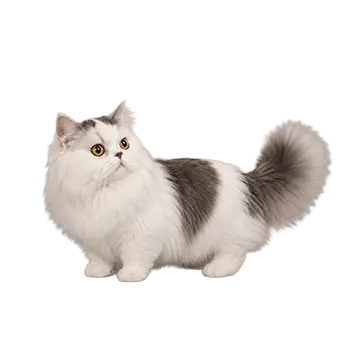

The First 24 Hours

The first day of a Napoleon kitten's life is a critical window that sets the stage for healthy development. Napoleon kittens are born with their eyes and ear canals sealed, relying entirely on their sense of touch and smell to locate their mother. Because Napoleons carry the gene for shortened legs, litter sizes can vary and some kittens may be born with standard-length legs alongside their short-legged siblings. Regardless of leg length, every kitten in the litter requires the same attentive monitoring during these initial hours.

Within the first hour after birth, each kitten should begin nursing to receive colostrum, the nutrient-rich first milk that delivers essential antibodies. Colostrum intake during this early window is vital because kittens are born with virtually no immune protection of their own. If a kitten seems unable to latch or appears significantly weaker than its littermates, gently guiding it toward a productive nipple can make a lifesaving difference.

The queen will typically handle cleaning and stimulating each kitten immediately after delivery, removing the amniotic sac and biting the umbilical cord. Observe without interfering unless the mother seems overwhelmed or disinterested. Check that every kitten is breathing clearly, moving its limbs, and showing a rooting reflex. A kitten that remains limp, cold, or silent after several minutes may need immediate veterinary intervention.

Keep the whelping area warm, quiet, and dimly lit. Napoleon queens tend to be attentive mothers, but stress from noise, household traffic, or other pets can cause her to become anxious or even reject a kitten. Provide fresh water and food within easy reach so she does not need to leave her litter for extended periods during this bonding phase.

Nursing & Nutrition

Nursing is the sole source of nutrition for Napoleon kittens during their first several weeks of life, and the quality and consistency of feeding directly influences growth outcomes. Healthy kittens nurse every one to two hours in the first week, gradually spacing out feedings as their stomachs grow. Each kitten should appear round-bellied after feeding and settle into quiet sleep rather than persistent crying, which often signals inadequate milk intake.

The queen's diet during nursing must be calorie-dense and nutritionally complete to support milk production. A high-quality kitten-formula food is generally recommended for nursing mothers because it provides the elevated protein and fat content she needs. Fresh water should always be available, as dehydration can rapidly diminish milk supply. Avoid abrupt dietary changes during the nursing period, as digestive upset in the mother can affect milk composition.

If the queen cannot produce enough milk or if a kitten is orphaned, a commercially prepared kitten milk replacer is the appropriate substitute. Never use cow's milk or other dairy products, as they lack the correct nutritional profile and can cause severe digestive distress. Bottle-feeding orphaned Napoleons requires feeding every two to three hours around the clock during the first week, with the kitten held belly-down at a slight incline to prevent aspiration.

Weaning typically begins around four weeks of age when kittens start showing interest in their mother's food. Introduce a shallow dish of softened kitten food mixed with warm water or kitten milk replacer to create a gruel-like consistency. Napoleon kittens may take a few days to transition from lapping to actual chewing. Gradually reduce the liquid content over the following two weeks until they are eating moistened solid food confidently.

Developmental Milestones

Napoleon kittens progress through a predictable series of developmental milestones during their first eight weeks, though individual variation is normal. During the first week, healthy kittens double their birth weight and spend nearly all their time sleeping and nursing. Their movements are limited to a slow crawl powered by their front legs, and they rely on the queen for warmth and stimulation to eliminate waste.

By the end of the second week, the eyes begin to open, revealing the blue-gray eye color common to all newborn kittens. Ear canals also start to unseal, and kittens become more responsive to sounds in their environment. The short-legged Napoleon kittens may appear slightly less mobile than their standard-legged littermates at this stage, but this difference is cosmetic rather than a cause for concern. All kittens should be gaining weight steadily and beginning to develop a wobbly standing posture.

Weeks three and four mark a dramatic leap in coordination and awareness. Kittens begin walking with increasing confidence, attempt their first clumsy play behaviors, and start to develop depth perception. Baby teeth begin erupting around three weeks, which coincides with the early stages of weaning readiness. This is also the period when the litter box can be introduced using a shallow pan with non-clumping litter, as kittens begin to develop elimination habits independent of maternal stimulation.

From five to eight weeks, Napoleon kittens refine their motor skills through vigorous play, including pouncing, wrestling, and climbing. Social learning accelerates as kittens observe their mother and siblings. By eight weeks, most Napoleon kittens are fully weaned, litter-trained, and beginning to display the gentle, sociable temperament the breed is known for.

Temperature & Environment

Newborn Napoleon kittens cannot regulate their own body temperature for the first several weeks of life, making environmental warmth a matter of survival. During the first week, the ambient temperature in the nesting area should be maintained between 85 and 90 degrees Fahrenheit. This can be gradually reduced to around 80 degrees by the end of the second week and to approximately 75 degrees by the fourth week as the kittens develop thermoregulatory ability.

A heating pad set to low and placed beneath one half of the nesting box provides a warm zone while allowing the queen to move kittens to a cooler area if needed. Never place kittens directly on an uncovered heating pad, as burns can occur rapidly on delicate newborn skin. A layer of soft, washable bedding over the heat source provides both insulation and comfort. Monitor the surface temperature regularly, as overheating is just as dangerous as chilling.

The nesting area should be draft-free, quiet, and located in a low-traffic part of the home. Napoleon queens are generally calm and tolerant, but a chaotic environment can elevate stress hormones that affect both the mother's milk production and the kittens' development. Keep other household pets away from the nesting space during the first three weeks. Dim lighting is preferable during the early days when the kittens' eyes are still developing.

Cleanliness in the nesting area is essential to prevent bacterial infections in vulnerable newborns. Change bedding at least once daily, or more frequently if soiled. Wash hands thoroughly before handling kittens, and limit handling during the first two weeks to health checks and necessary interventions. As the kittens grow and begin exploring beyond the nest, gradually expand their accessible space while ensuring it remains safe and free of hazards.

Early Socialization

The socialization window for kittens is remarkably brief, with the most critical period falling between two and seven weeks of age. During this time, positive experiences with humans, other animals, and a variety of environmental stimuli shape the Napoleon kitten's lifelong temperament. Napoleons are naturally predisposed to a gentle and people-oriented personality, but this genetic tendency must still be nurtured through deliberate early exposure.

Gentle handling should begin during the second week of life, starting with brief sessions of just a few minutes each day. Pick up each kitten, stroke it softly, and speak in a calm, reassuring tone. Gradually increase handling duration as the kittens grow more alert and responsive. Expose them to being touched on their paws, ears, and around their mouth, as this prepares them for future grooming and veterinary examinations without fear.

By the fourth week, kittens are mobile enough to benefit from controlled environmental enrichment. Introduce a variety of textures underfoot, gentle sounds from household appliances, and brief supervised interactions with calm, vaccinated adult pets. Each new experience should be presented at a low intensity and paired with comfort, such as warmth or a treat, to build positive associations. Avoid overwhelming the kittens with too many novel stimuli at once.

Socialization with multiple people is equally important. Invite trusted family members and friends to interact with the kittens so they learn that humans in general are safe and rewarding companions. Kittens that only bond with one caregiver may develop shyness or anxiety around strangers later in life. The effort invested in these early weeks pays dividends throughout the Napoleon's lifespan in the form of a confident, adaptable, and affectionate companion.

Health Screening & Vet Visits

A veterinary examination within the first 48 hours of life is advisable for any Napoleon litter, particularly because the breed's genetic background involves the munchkin gene responsible for shortened limbs. The veterinarian will assess each kitten for congenital abnormalities, check heart and lung function, and confirm that all kittens are nursing effectively. This initial visit also establishes a medical record and gives the breeder or owner an opportunity to discuss any concerns about the litter's health.

Kittens should be weighed daily during the first two weeks using a kitchen scale or postal scale to track weight gain. Consistent daily gains of approximately 10 to 15 grams indicate healthy growth and adequate nutrition. A kitten that fails to gain weight for more than 24 hours, or that loses weight, should be evaluated promptly. Causes of failure to thrive can range from inadequate milk supply to congenital issues that require early diagnosis.

The first round of core vaccinations typically begins between six and eight weeks of age and includes protection against feline panleukopenia, calicivirus, and rhinotracheitis. Your veterinarian will outline a vaccination schedule that extends through approximately 16 weeks with booster doses given at regular intervals. Deworming also begins early, often at two weeks of age, with follow-up treatments as recommended based on fecal testing results.

Discuss screening for conditions relevant to the Napoleon breed during these early veterinary visits. Because Napoleons descend from both Munchkin and Persian lines, awareness of potential issues such as polycystic kidney disease and lordosis is important. Your veterinarian may recommend specific tests or monitoring protocols based on the kitten's lineage and physical examination findings.

When to Worry

While most Napoleon kittens thrive with attentive care, certain warning signs demand immediate action. A kitten that refuses to nurse or that is persistently pushed away from the nipple by stronger siblings may be fading, a term used to describe neonatal decline that can progress rapidly without intervention. Fading kitten syndrome can result from infection, congenital defects, or simply insufficient caloric intake, and every hour of delay reduces the chances of recovery.

Continuous crying is one of the most reliable indicators of distress in newborn kittens. Healthy, well-fed kittens are generally quiet between feedings, sleeping in a warm huddle with their siblings. A kitten that cries persistently may be cold, hungry, in pain, or ill. Check the kitten's body temperature by feeling its paw pads and abdomen. Cold extremities paired with lethargy are urgent warning signs that require warming and veterinary attention.

Diarrhea in very young kittens can lead to life-threatening dehydration within hours. Monitor the color, consistency, and frequency of stools for each kitten. Normal neonatal stool is soft and yellowish. Green, watery, or blood-tinged stools indicate a problem that warrants veterinary evaluation. Similarly, watch for signs of upper respiratory infection such as nasal discharge, sneezing, or labored breathing, which can compromise nursing and lead to rapid decline.

Any kitten that appears significantly smaller than its littermates and fails to catch up in growth during the first two weeks should be monitored closely and examined by a veterinarian. While some size variation within a litter is normal, persistent runting can indicate underlying health issues. Trust your instincts as a caretaker. If something about a kitten's behavior, appearance, or feeding pattern seems wrong, seeking veterinary guidance promptly is always the right decision.

Always consult a qualified professional before making any health-related decisions. This content is provided for informational reference only and should not replace professional guidance specific to your animal.