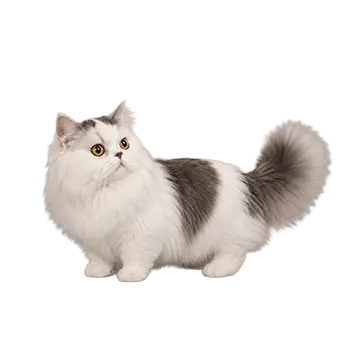

Growth & Physical Development

The Napoleon cat's juvenile period spans roughly from eight weeks to twelve months of age, during which the kitten undergoes dramatic physical transformation. Growth rates are most rapid between two and six months, with most Napoleons reaching close to their adult frame size by around nine months. Because the breed carries the munchkin gene, short-legged Napoleons will have proportionally shorter limbs relative to their body throughout this growth phase, but their torso, musculature, and overall bone density develop on the same timeline as standard-legged cats.

Weight gain should be steady and proportionate. A healthy Napoleon kitten typically gains between one-half and one pound per month during the first six months. Males tend to be slightly larger than females, though the breed remains small overall compared to most domestic cats. Regular weigh-ins every two weeks help identify any plateau or unexpected loss that could indicate illness, parasitic burden, or nutritional inadequacy.

The skeletal system is still maturing throughout the juvenile stage, which means bones and growth plates remain vulnerable to injury from high-impact falls or rough handling. While Napoleons are playful and curious climbers, their shorter legs alter their center of gravity and may make tall jumps more challenging. Providing stepped furniture, ramps, or low cat trees allows them to explore vertical space safely without risking injury to developing joints.

By the end of the juvenile period, the Napoleon's adult coat is well established. Longhaired Napoleons will develop their full, plush coat texture during these months, often requiring increased grooming attention. Shorthaired varieties maintain a dense, soft coat that is lower maintenance but still benefits from regular brushing to remove loose hair and distribute skin oils.

Nutrition & Diet Transition

Transitioning a Napoleon kitten from its weaning diet to a structured juvenile feeding plan requires attention to both caloric needs and nutrient balance. From eight weeks through approximately twelve months, kittens need a diet formulated specifically for growth, providing higher protein, fat, and caloric density than adult maintenance formulas. Look for foods where a named animal protein is the primary ingredient and that meet established nutritional guidelines for growth and reproduction.

Feeding frequency should gradually decrease as the kitten grows. At eight weeks, three to four small meals per day are appropriate. By four months, most Napoleons do well on three meals daily, and by six months, two meals per day is generally sufficient. Free-feeding dry kibble is discouraged for this breed because Napoleons can be prone to weight gain, and their compact frames make even small amounts of excess weight disproportionately stressful on joints and the spine.

Wet food should constitute a meaningful portion of the juvenile Napoleon's diet. Cats are obligate carnivores with a naturally low thirst drive, and wet food helps ensure adequate hydration while providing highly digestible protein. A combination of wet and dry food offers both nutritional variety and dental benefits, as the mechanical action of chewing kibble helps reduce early plaque accumulation.

Avoid supplementing a balanced commercial kitten diet with additional vitamins or minerals unless specifically directed by a veterinarian. Over-supplementation, particularly of fat-soluble vitamins and calcium, can cause developmental problems. Treats should be limited to no more than ten percent of daily caloric intake and should never replace a complete meal. Fresh, clean water should be available at all times, ideally in a wide, shallow bowl that does not press against the kitten's whiskers.

Behavioral Changes

The juvenile period is marked by a surge in energy, curiosity, and boundary-testing behavior that can catch first-time Napoleon owners off guard. Between three and six months, kittens enter a phase of intense exploratory play that includes ambush attacks on moving feet, pouncing on household objects, and rapid sprinting through rooms. This behavior is entirely normal and serves as practice for the predatory motor patterns hardwired into every cat's brain.

Napoleons are generally gentler and less destructive than many other breeds during adolescence, but they are not immune to mischief. Scratching furniture, knocking objects off surfaces, and testing boundaries around restricted areas are common. Rather than punishing unwanted behavior, redirect the kitten's energy toward appropriate outlets such as scratching posts, interactive toys, and puzzle feeders. Napoleons respond well to positive reinforcement and tend to repeat behaviors that earn attention and treats.

Social behavior becomes more complex during this stage. Kittens begin to establish play hierarchies with other pets and develop preferences for specific family members. Some Napoleons may go through a brief period of increased independence or skittishness around five to seven months, which correlates with sexual maturity onset. This is temporary and typically resolves as the cat matures, particularly if spaying or neutering is performed on schedule.

Sleep patterns shift during the juvenile months. While very young kittens sleep the majority of the day, adolescent Napoleons develop a more crepuscular rhythm, becoming most active during dawn and dusk. If nighttime activity becomes disruptive, increasing interactive play sessions in the evening before bedtime can help tire the kitten out and encourage overnight rest.

Training Priorities

Training a juvenile Napoleon is a rewarding experience because the breed's gentle disposition and food motivation make them highly receptive to positive reinforcement methods. The most important training goals during this period are reliable litter box use, acceptance of grooming and handling, and discouraging biting or scratching during play. Start each training goal with short, consistent sessions and always end on a positive note.

Litter box training is usually well established by the time a Napoleon kitten arrives in its new home, but transitions to a new environment can temporarily disrupt habits. Place the litter box in a quiet, easily accessible location and show the kitten where it is immediately upon arrival. If accidents occur, clean the area thoroughly with an enzymatic cleaner and avoid punitive responses, which only create anxiety around elimination and worsen the problem.

Grooming desensitization is particularly important for longhaired Napoleons, who will require regular brushing throughout their lives. Begin handling the kitten's coat, paws, ears, and teeth daily during the juvenile period, pairing each session with a small treat or gentle praise. Introduce the brush gradually, starting with brief strokes along the back before working toward more sensitive areas like the belly and behind the ears. A kitten that learns to tolerate and even enjoy grooming becomes a far more cooperative adult.

Clicker training can be highly effective with Napoleons and provides both mental stimulation and a communication framework between cat and owner. Begin with simple behaviors like sit and target, where the kitten touches its nose to a target stick. The speed at which most Napoleons pick up clicker-trained behaviors often surprises owners who assume cats are untrainable. Keep sessions under five minutes and practice daily for best results.

Exercise & Activity

Despite their short legs, Napoleon cats are active and playful, requiring daily exercise to maintain healthy weight and prevent boredom-related behavioral problems. Interactive play sessions of at least fifteen to twenty minutes twice daily are recommended during the juvenile period. Feather wands, laser pointers used responsibly with a physical treat reward at the end, and small tossed toys that trigger the chase instinct are all excellent choices for this breed.

The Napoleon's leg structure means they may not achieve the same vertical leaping height as longer-legged breeds, but they compensate with impressive speed, agility at ground level, and creative problem-solving to reach elevated spots. Providing cat furniture with graduated steps or ramps allows them to access perches and window seats without straining their joints. Avoid encouraging repeated jumping from heights that could stress developing bones and cartilage.

Puzzle feeders and food-dispensing toys serve double duty by providing both mental stimulation and moderate physical activity. Scatter a portion of the kitten's daily kibble allocation inside a puzzle ball or hide treats around a room to encourage foraging behavior. These activities engage the Napoleon's natural intelligence and help prevent the weight gain that can become problematic in this small, compact breed.

Social play with other cats or gentle dogs provides exercise that a single owner cannot fully replicate. Napoleons are typically sociable and enjoy the companionship of other pets, though introductions should always be gradual and supervised. If the Napoleon is the only pet in the household, rotating toys regularly and varying play routines will help maintain engagement and prevent the kitten from becoming sedentary.

Spay/Neuter Considerations

The decision to spay or neuter a Napoleon cat is one of the most significant health choices made during the juvenile period. Most veterinarians recommend the procedure between four and six months of age, before the onset of sexual maturity. Early spaying or neutering eliminates the risk of unwanted litters, reduces hormone-driven behaviors such as spraying, yowling, and roaming, and offers long-term health benefits including reduced risk of certain reproductive cancers.

For Napoleon cats not intended for a responsible breeding program, there is broad veterinary consensus supporting early sterilization. Female Napoleons can experience their first heat cycle as early as five months, and the behavioral changes associated with estrus, including loud vocalization, restlessness, and attempts to escape outdoors, are stressful for both the cat and the household. Males may begin urine marking territory around the same age, a habit that becomes significantly harder to eliminate once established.

Post-surgical recovery is typically straightforward for juvenile cats. Most Napoleons return to normal activity within a few days, though restricting vigorous play and jumping for approximately ten days allows the incision site to heal properly. Monitor the surgical site daily for signs of redness, swelling, or discharge, and prevent the kitten from licking or chewing the area by using an Elizabethan collar or recovery suit as directed by your veterinarian.

Discuss the timing and approach with your veterinarian, taking into account the individual kitten's health, weight, and development. Cats that are spayed or neutered may have slightly reduced caloric needs following the procedure, so adjusting food portions downward by approximately ten to fifteen percent can help prevent post-surgical weight gain. Your veterinarian can provide tailored dietary guidance based on the kitten's body condition at the time of surgery.

Socialization & Exposure

Continued socialization throughout the juvenile period builds on the foundation established during the kitten's first weeks of life. While the most sensitive socialization window closes around seven weeks, cats remain receptive to new experiences well into adolescence, and consistent positive exposure during the juvenile months helps solidify a confident, well-adjusted temperament. Napoleons are naturally sociable, but even the friendliest breed benefits from deliberate socialization efforts.

Expose the juvenile Napoleon to a wide variety of household sounds, visitors, and handling experiences. Vacuum cleaners, doorbells, televisions, and kitchen appliances should all become routine background elements rather than sources of fear. Introduce one new stimulus at a time, pairing it with something the kitten enjoys such as play or a treat. If the kitten shows signs of stress, including flattened ears, dilated pupils, or retreating, reduce the intensity and try again later at a lower level.

Carrier training is an often-overlooked aspect of socialization that pays enormous dividends throughout the cat's life. Leave the carrier out in the living space with the door open, placing treats and bedding inside to create positive associations. Practice short sessions of closing the door, lifting the carrier, and eventually taking brief car rides. A Napoleon that views its carrier as a safe den rather than a trap will experience far less stress during veterinary visits, travel, and emergencies.

If the Napoleon will share its home with children, structured interactions during the juvenile period teach both the kitten and the child appropriate boundaries. Children should be taught to handle the kitten gently, support its body properly when lifting, and recognize signs that the cat wants to be left alone. Supervised interactions build mutual trust and prevent the negative experiences that can create lasting fearfulness in cats. The Napoleon's patient and tolerant nature makes it well suited to family life when these introductions are handled thoughtfully.

Always consult a qualified professional before making any health-related decisions. This content is provided for informational reference only and should not replace professional guidance specific to your animal.