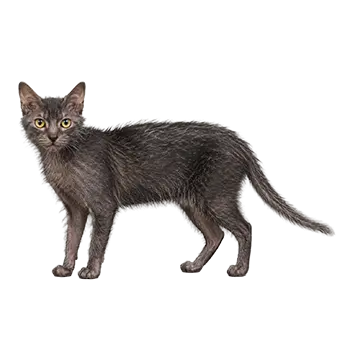

The transition from adult to senior is not marked by a single event but rather by a gradual shift in the cat's physiology and behavior. For Lykoi cats, the senior stage is generally considered to begin around ten to twelve years of age, though individual cats may show signs of aging earlier or later depending on genetics, overall health, and the quality of care they have received throughout their lives. Cats over fifteen years are often classified as geriatric, a stage that brings additional considerations and closer veterinary monitoring.
Early signs of aging in a Lykoi cat can be subtle. A slight decrease in activity level, longer naps, reduced interest in vigorous play, or a preference for warmer resting spots may all signal the beginning of the senior years. The coat, already distinctive in its sparse roan pattern, may show further thinning or changes in texture. Some owners notice that their Lykoi's skin becomes drier or more sensitive with age, requiring adjustments to grooming and skincare routines.
It is important not to dismiss changes in behavior or physical condition as simply old age. Many conditions that develop in senior cats, including kidney disease, hyperthyroidism, diabetes, and dental disease, are treatable or manageable when caught early. A proactive approach to aging involves increasing the frequency of veterinary visits from once to twice annually and paying close attention to any shifts in eating habits, litter box behavior, mobility, or temperament.
Understanding that aging is a process rather than a destination helps owners provide the best possible care. The senior Lykoi still has personality, preferences, and emotional needs that deserve attention and respect. Adjusting the home environment, diet, and activity level to match the cat's evolving capabilities keeps the bond strong and the quality of life high throughout the later years.