
Peak Health Maintenance

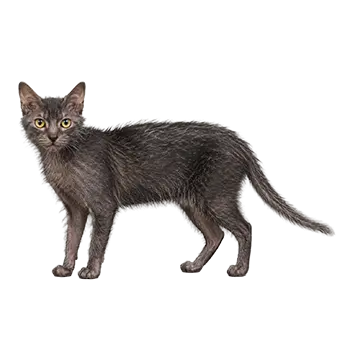
The adult years for a Lykoi cat generally span from around one to two years of age through approximately ten years, representing the longest and most stable phase of their life. During this period the cat's body has reached its full size and muscular development, the coat pattern has settled into its characteristic roan appearance, and the personality is fully established. Maintaining peak health during these years is largely about consistency in care routines and vigilance in detecting subtle changes early.

Annual veterinary examinations are the cornerstone of adult health maintenance. Even a cat that appears perfectly healthy should see a veterinarian at least once a year for a comprehensive physical examination, vaccination updates as appropriate, and routine blood work. These baseline results are invaluable for comparison if health issues arise later. Lykoi cats do not currently have a high incidence of breed-specific genetic diseases, but as a relatively young breed, ongoing health monitoring contributes to the broader understanding of their long-term health profile.

Parasite prevention should continue year-round, regardless of whether the cat has outdoor access. Fleas, ticks, and internal parasites can enter the home through other pets, on clothing, or through open windows. Monthly preventive treatments prescribed by a veterinarian provide reliable protection. Lykoi cats with their sparse coats may be more susceptible to flea irritation because bites are harder for them to manage through grooming, and exposed skin can show reactions more readily.

Weight management is another key component of adult health. Obesity in cats is associated with diabetes, joint disease, hepatic lipidosis, and reduced lifespan. Regular weigh-ins, body condition scoring, and portion control help keep the Lykoi at an ideal weight. An adult Lykoi in good condition should have a visible waist when viewed from above and ribs that can be felt without excessive fat covering.

Nutrition at Maturity

An adult Lykoi cat thrives on a balanced, high-quality diet formulated for adult cats. Protein should be the primary macronutrient, sourced from animal-based ingredients that provide the amino acids cats require as obligate carnivores. Taurine, an essential amino acid that cats cannot synthesize in sufficient quantities, must be present in adequate amounts to support heart function, vision, and reproductive health.

The choice between wet food, dry food, or a combination depends on the individual cat's preferences, health needs, and the owner's lifestyle. Wet food provides additional hydration and is often more palatable, while dry food can be convenient and supports dental health through mechanical abrasion. Many owners find that a combination approach offers the benefits of both. Whatever format is chosen, the food should meet the nutritional standards established by recognized pet food regulatory bodies.

Feeding twice daily at consistent times is the preferred routine for most adult Lykoi cats. Measured portions based on the cat's weight, activity level, and body condition prevent overfeeding. Treats should make up no more than ten percent of the daily caloric intake and should be factored into the overall feeding plan. High-value treats can be reserved for training reinforcement or enrichment activities.

Fresh, clean water should be available at all times. Cats are notoriously low-volume drinkers, and chronic mild dehydration can contribute to urinary tract issues over time. Water fountains, multiple water stations placed throughout the home, and the inclusion of wet food in the diet all encourage adequate hydration. Monitor water intake and consult a veterinarian if there is a significant increase or decrease, as changes in drinking behavior can signal underlying health conditions.

Exercise & Fitness

Adult Lykoi cats retain much of the playful energy they displayed as kittens, making daily exercise and enrichment essential for their physical and mental well-being. This breed has a strong prey drive and responds enthusiastically to interactive toys that mimic the movement of small animals. Wand toys, feather chasers, and toys that dart unpredictably across the floor all tap into the Lykoi's natural hunting instincts and provide excellent cardiovascular exercise.

Structured play sessions of at least 15 to 20 minutes twice daily help maintain muscle tone, prevent weight gain, and reduce stress-related behaviors. Lykoi cats are particularly fond of fetch, a behavior more commonly associated with dogs, and many will retrieve small toys repeatedly when engaged by their owner. This interactive play also strengthens the bond between cat and human, which is central to the Lykoi's social nature.

Environmental enrichment beyond play sessions is equally important. Cat trees with multiple levels, window perches that offer views of outdoor activity, tunnel systems, and rotating selections of toys prevent boredom in a breed that is intellectually demanding. Puzzle feeders that require the cat to work for its food provide mental stimulation and slow down eating, benefiting both the mind and the digestive system.

For Lykoi cats that enjoy outdoor experiences, a secure catio or supervised harness walks offer safe alternatives to free roaming. Their sparse coat leaves them vulnerable to sunburn, insect bites, and temperature extremes, making unsupervised outdoor access inadvisable. Indoor enrichment that simulates the complexity and novelty of the outdoor environment, including safe plants, bird feeders visible from windows, and varied textures and surfaces, helps satisfy the cat's curiosity without the associated risks.

Preventive Health Care

Preventive care during the adult years focuses on maintaining immunity, catching problems early, and addressing breed-specific considerations. Core vaccinations should be kept current according to the schedule recommended by the cat's veterinarian, which typically involves booster shots at regular intervals after the initial kitten series. Non-core vaccines may be recommended based on the cat's lifestyle and risk factors.

Dental health is an often-overlooked aspect of feline preventive care. Periodontal disease affects the majority of cats over the age of three and can lead to pain, tooth loss, and systemic health problems as bacteria from infected gums enter the bloodstream. Regular dental examinations, professional cleanings when indicated, and at-home dental care such as tooth brushing or dental treats help maintain oral health. Starting a dental care routine early in adulthood makes it easier for both cat and owner.

Skin care deserves special attention in the Lykoi breed. The areas of sparse or absent fur can accumulate oils and debris more readily than fully coated skin. Regular gentle wiping with a damp cloth or a veterinarian-approved cleansing wipe helps keep the skin clean and healthy. Monitor for signs of irritation, dryness, excessive oiliness, or unusual growths. Sun protection is important for Lykoi cats that spend time near windows with direct sunlight, as exposed skin can be susceptible to sunburn.

Routine screening tests, including blood chemistry panels, complete blood counts, urinalysis, and thyroid function tests, become increasingly valuable as the cat moves through adulthood. Establishing baseline values during the healthy adult years makes it much easier to detect deviations that may indicate early-stage disease. Early detection of conditions such as kidney disease, diabetes, or hyperthyroidism allows for earlier intervention and better long-term outcomes.

Behavioral Maturity

By the time a Lykoi cat reaches full adulthood, its personality is well established. The breed is known for being intensely bonded to its primary caregivers, often following them throughout the house and seeking out physical proximity. This loyalty is one of the Lykoi's most endearing traits, but it also means that these cats can be prone to separation anxiety if left alone for extended periods without adequate environmental enrichment.

Adult Lykoi cats typically settle into predictable daily routines and may become mildly stressed by disruptions to their environment. Changes such as moving to a new home, the introduction of a new pet or family member, or even rearranging furniture can trigger temporary behavioral shifts. Providing safe spaces, maintaining feeding and play schedules, and using calming pheromone diffusers can help ease transitions.

Aggression in adult Lykoi cats is uncommon but should be addressed promptly if it arises. Play aggression, which involves biting or scratching during overstimulated play, can be managed by recognizing escalation signals and redirecting energy to appropriate toys. True aggression toward people or other animals may indicate pain, fear, or territorial stress and warrants a veterinary evaluation to rule out medical causes before pursuing behavioral modification.

The Lykoi's intelligence means that behavioral enrichment remains important throughout adulthood. Cats that are under-stimulated may develop compulsive behaviors such as over-grooming, excessive vocalization, or destructive scratching. A stimulating environment that includes opportunities for climbing, hunting-style play, social interaction, and cognitive challenges keeps the adult Lykoi mentally healthy and behaviorally balanced.

Dental & Grooming

Grooming a Lykoi cat is a unique experience compared to most other breeds. The sparse, wiry roan coat does not mat or tangle in the way that long-haired breeds' fur does, but it does require attention tailored to the breed's specific characteristics. Gentle brushing once or twice a week helps distribute natural skin oils and removes loose hair. A soft bristle brush or a grooming glove is usually sufficient and most Lykoi cats enjoy the sensation.

Bathing may be necessary more frequently for Lykoi cats than for fully coated breeds. The exposed skin can become oily, particularly around the face, ears, and between the toes. A mild, cat-safe shampoo used every few weeks, or as needed based on the individual cat's skin condition, keeps the coat and skin clean without stripping essential oils. After bathing, thorough drying is important because the sparse coat provides less insulation and the cat can become chilled if left damp.

Ear cleaning should be part of the regular grooming routine. Lykoi cats may produce more visible ear wax than heavily furred breeds simply because there is less hair in the ear canal to trap debris out of sight. A veterinarian-recommended ear cleaning solution and soft cotton pads are appropriate tools. Never insert anything into the ear canal beyond what is visible. Dark, foul-smelling discharge or persistent scratching at the ears may indicate an infection requiring veterinary treatment.

Nail trimming every two to three weeks prevents overgrowth, splitting, and the discomfort of nails catching on fabrics or scratching surfaces. Dental care at home, ideally daily brushing with a feline-specific toothpaste, complements professional dental cleanings and helps prevent the buildup of plaque and tartar. Establishing these grooming routines as pleasant experiences, paired with treats and gentle praise, ensures that the cat cooperates willingly and the process remains stress-free for both parties.

Always consult a qualified professional before making any health-related decisions. This content is provided for informational reference only and should not replace professional guidance specific to your animal.