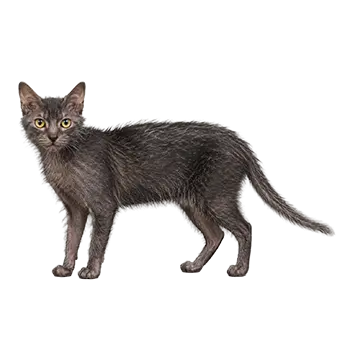

Breeding Readiness

Breeding Lykoi cats is a responsibility that should only be undertaken by experienced, dedicated individuals who are committed to improving the breed and placing kittens in loving, responsible homes. Before considering a breeding program, prospective breeders should have a thorough understanding of feline genetics, the Lykoi breed standard, and the specific health considerations associated with the breed's unique coat mutation. Mentorship from an established Lykoi breeder and membership in a recognized cat breeding organization provide essential guidance and accountability.

Physical maturity is a prerequisite for breeding, but it should not be confused with sexual maturity. While a Lykoi queen may experience her first heat cycle as early as five months of age, breeding should not occur until the cat is physically and emotionally mature, typically no earlier than eighteen months to two years of age. Breeding a cat that is too young can result in complications during pregnancy and birth, smaller litter sizes, and increased stress on a body that has not yet finished growing.

Pre-breeding health screening is essential. Both the queen and the stud should undergo comprehensive veterinary examinations, including blood work, infectious disease testing for feline leukemia virus and feline immunodeficiency virus, and screening for common feline genetic conditions. The Lykoi coat mutation is caused by a natural recessive gene, and understanding how it interacts with the genetic backgrounds of potential breeding pairs is critical for producing healthy kittens with the desired phenotype.

The breeding cat's temperament should also factor into the decision. Lykoi cats with stable, confident, and sociable personalities are the best candidates for breeding, as temperament has a heritable component. Cats that display excessive fearfulness, aggression, or anxiety should not be bred, regardless of how closely they conform to the physical breed standard.

The Heat Cycle

Female cats are seasonally polyestrous, meaning they can cycle in and out of heat multiple times during the breeding season, which is influenced by the length of daylight. Indoor cats exposed to artificial lighting may cycle year-round. The heat cycle in a Lykoi queen follows the same general pattern as other domestic cats, progressing through the stages of proestrus, estrus, interestrus, and anestrus.

Proestrus lasts one to two days and is characterized by subtle behavioral changes. The queen may become more affectionate, rub against objects and people more frequently, and vocalize softly. These signs are often mild enough to go unnoticed. Estrus, the phase during which the queen is receptive to mating, follows and typically lasts four to seven days. During estrus the queen displays more pronounced behaviors, including loud and persistent calling, rolling on the floor, elevating the hindquarters when the lower back is stroked, and treading with the hind legs.

If mating does not occur, the queen will enter interestrus, a resting phase of one to three weeks, before cycling back into heat. This pattern can repeat multiple times throughout the breeding season. Repeated estrus cycles without mating can be stressful for the queen and may carry health risks, including an increased susceptibility to uterine infections. For queens not intended for breeding, spaying is the recommended course of action.

Cats are induced ovulators, meaning that ovulation is triggered by the physical act of mating rather than occurring spontaneously. Multiple matings over the course of the estrus period increase the likelihood of successful ovulation and conception. Breeders typically allow supervised matings over two to three days before separating the queen from the stud.

Pregnancy & Gestation

Gestation in the Lykoi cat lasts approximately 63 to 67 days from the date of successful mating. Confirming pregnancy can be done through veterinary palpation at around three to four weeks, or via ultrasound, which can detect fetal heartbeats and provide an estimate of litter size. Radiography is most useful in the final week of pregnancy, when the skeletal structures of the kittens have calcified enough to be visible on an X-ray, providing a reliable count of the expected litter.

During the first few weeks of pregnancy, the queen may show minimal outward signs. Some queens experience a brief period of morning sickness with reduced appetite, while others continue eating normally. By the fourth week, the nipples may become noticeably pink and enlarged, a change sometimes called pinking up. As pregnancy progresses, the queen's abdomen gradually expands, and her appetite increases significantly to support the growing kittens.

Nutritional demands increase throughout pregnancy, and the queen should be transitioned to a high-quality kitten food, which provides the elevated calories, protein, and calcium she needs. Free feeding during the later stages of pregnancy ensures she can eat as much as she requires. Fresh water should always be available, and any supplements should be administered only under veterinary direction to avoid imbalances that could harm the queen or her developing kittens.

The queen should be kept in a calm, low-stress environment throughout pregnancy. Avoid unnecessary travel, significant changes to the household, and exposure to other cats that could transmit infectious diseases. A veterinary check during mid-pregnancy confirms that the queen is progressing well and provides an opportunity to discuss the queening plan, including when to prepare the birthing area and what supplies to have on hand.

Queening Preparation

As the queen approaches her due date, preparing a comfortable and private queening area is essential. A large, clean nesting box lined with soft, washable bedding should be placed in a quiet room away from household traffic and other pets. The box should have sides high enough to contain the newborn kittens but low enough for the queen to step in and out easily. Introducing the queen to the nesting area a week or two before the expected delivery allows her to become familiar and comfortable with the space.

Essential supplies for queening include clean towels, a small kitchen scale for weighing kittens, unwaxed dental floss and blunt scissors for tying and cutting umbilical cords if necessary, a bulb syringe for clearing airways, a heating pad or heat disc, and the contact information for an emergency veterinary clinic. Having kitten milk replacer and a bottle feeding kit on hand is a wise precaution in case the queen is unable to nurse or produces insufficient milk.

Signs that labor is imminent include a drop in the queen's rectal temperature below 37.8 degrees Celsius, restlessness, nesting behavior, loss of appetite, and sometimes panting or vocalizing. The first stage of labor involves uterine contractions that are not visible externally but cause the queen to appear uncomfortable and unsettled. This stage can last up to 24 hours in a first-time mother.

Active labor begins with visible abdominal contractions, and the first kitten is usually delivered within one to two hours of the onset of straining. Kittens may arrive in rapid succession or with intervals of up to an hour between deliveries. The queen will typically break the amniotic sac, chew the umbilical cord, and vigorously clean each kitten to stimulate breathing. If she fails to do so within a minute or two of delivery, the breeder should gently intervene to clear the membrane from the kitten's face and stimulate breathing with gentle rubbing.

Postpartum Care

The immediate postpartum period requires close monitoring of both the queen and her kittens. In the first 24 hours, confirm that all placentas have been delivered, as a retained placenta can cause serious infection. The queen will typically eat some or all of the placentas, which is normal feline behavior. A mild, brownish-red vaginal discharge is normal for up to three weeks after delivery, but heavy bleeding, foul-smelling discharge, or discharge that persists beyond three weeks warrants veterinary attention.

The queen's appetite will be elevated during lactation, and she should continue to receive a high-calorie kitten food offered freely. Nursing a litter places tremendous metabolic demands on the body, and inadequate nutrition can lead to weight loss, decreased milk production, and in severe cases eclampsia, a life-threatening condition caused by dangerously low blood calcium levels. Signs of eclampsia include muscle tremors, stiffness, restlessness, and seizures, and it requires emergency veterinary treatment.

Monitor the kittens for consistent nursing and steady weight gain. Each kitten should be weighed at the same time daily, and a gain of approximately 10 to 15 grams per day indicates adequate nutrition. Kittens that fail to gain weight, cry excessively, or appear cold and lethargic may not be receiving enough milk and may need supplemental feeding with a commercial kitten milk replacer.

The queen may be protective of her kittens in the early days, and her wishes should be respected. Minimize handling of the kittens to what is necessary for health checks and weighing during the first week. Gradually increase gentle handling as the kittens grow and the queen becomes more relaxed. A postpartum veterinary visit for the queen within the first week after delivery ensures that she is recovering well and addresses any complications that may have arisen.

Responsible Breeding Ethics

Ethical Lykoi breeding is guided by a commitment to the health, welfare, and improvement of the breed above all other considerations. The Lykoi is a relatively young breed with a small genetic pool, which makes responsible breeding practices especially important for maintaining genetic diversity and avoiding the concentration of harmful recessive traits. Breeders should work collaboratively with breed organizations and geneticists to make informed pairing decisions that prioritize long-term breed health.

Every breeding decision should begin with the question of whether a particular mating will contribute positively to the breed. Breeding for appearance alone, without regard for health, temperament, and genetic diversity, is a disservice to the breed and to the individual cats involved. Both the queen and the stud should meet or exceed the breed standard, have documented health clearances, and possess stable, sociable temperaments that will be passed to their offspring.

Kitten placement is a critical ethical responsibility. Reputable breeders screen potential buyers carefully, asking about their experience with cats, living situation, and commitment to providing lifelong care. A written contract that includes spay or neuter requirements for pet-quality kittens, a health guarantee, and a return clause if the buyer can no longer keep the cat protects the kitten's welfare. Breeders should be prepared to take back any cat they have produced at any point in its life if circumstances change.

The physical and emotional toll of breeding on the queen must be considered. Repeated pregnancies without adequate recovery time compromise the queen's health and well-being. Most responsible breeders allow no more than one to two litters per year and retire queens from breeding by age five to seven, ensuring they live out the remainder of their lives as cherished pets. The overarching principle of responsible breeding is that every kitten brought into the world should have a guaranteed place in a loving home and that no cat should suffer for the sake of producing offspring.

Always consult a qualified professional before making any health-related decisions. This content is provided for informational reference only and should not replace professional guidance specific to your animal.