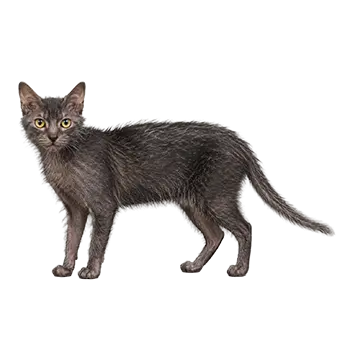

Lykoi kittens enter the world looking remarkably different from most feline breeds. At birth they are tiny, typically weighing between 80 and 110 grams, and their skin may appear nearly bare or covered with a very fine, sparse coat. Unlike many breeds where the signature look develops over time, Lykoi kittens often display their characteristic partial hairlessness almost immediately. The queen will lick each kitten clean, stimulate breathing, and sever the umbilical cord naturally. It is important to observe this process without unnecessary interference unless complications arise.
During the first hours the kittens should begin nursing. Colostrum, the first milk produced by the mother, is essential for transferring maternal antibodies that protect the kittens from infection during their earliest weeks. Each kitten should latch and nurse within the first one to two hours after birth. If a kitten is unable to find a nipple or appears too weak to suckle, gentle repositioning near the queen's belly can help. Persistent failure to nurse warrants an immediate call to a veterinarian.
The birthing area should be warm, quiet, and free from drafts. Lykoi kittens are especially vulnerable to temperature loss because of their sparse coat, so maintaining an ambient temperature around 29 to 32 degrees Celsius in the nesting box is critical. A heating pad set on low beneath a layer of soft bedding can supplement warmth, but it must be arranged so the queen and kittens can move away from it if they become too warm. Monitoring the kittens closely for steady breathing, a warm belly, and quiet contentment after nursing are all positive signs during this crucial window.
Keep handling to a minimum in these first hours. The queen needs calm and privacy to bond with her litter. Note the number of kittens, check that each has nursed, and ensure no afterbirth remains undelivered, then step back and allow the family to settle.