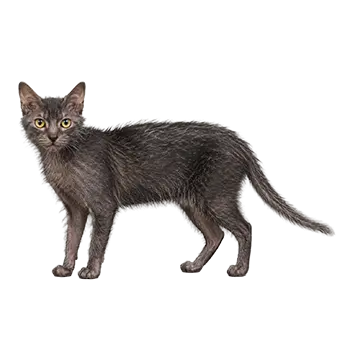

Knowing when a Lykoi cat is approaching the end of its life requires both medical knowledge and an intimate understanding of the individual cat. The signs of terminal decline may appear suddenly in the case of acute illness or injury, or they may emerge gradually over weeks and months as a chronic condition progresses. Regardless of the timeline, certain patterns are commonly observed in cats whose bodies are beginning to shut down.
A significant and sustained decrease in appetite is one of the most reliable indicators. While many conditions can cause a cat to eat less, a cat that consistently refuses food and shows no interest even in previously irresistible treats is often signaling that its body is no longer able to process nutrition effectively. Weight loss that progresses despite efforts to encourage eating reflects the catabolic state that accompanies end-stage illness.
Withdrawal from social interaction is another hallmark of decline in a breed as inherently sociable as the Lykoi. A cat that has spent its life following its owner from room to room and seeking out physical contact may begin retreating to isolated spots, hiding under furniture, or resisting being held. This withdrawal is often driven by pain, exhaustion, or a combination of both, and it represents a significant departure from the cat's established personality.
Other signs include a noticeable decline in grooming, resulting in a dull or unkempt coat and skin; labored or irregular breathing; significant changes in litter box habits, including incontinence; a drop in body temperature that can be felt in the ears and paw pads; and a general lack of responsiveness to stimuli that would normally engage the cat. Any combination of these signs, particularly when they persist or worsen, warrants a candid conversation with the veterinarian about the cat's prognosis and the options available.