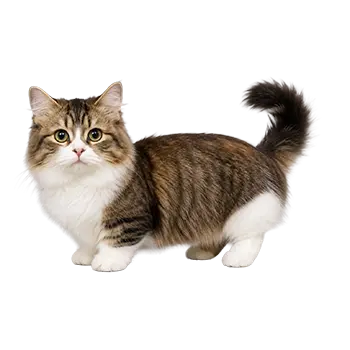

The First 24 Hours

The first day of a Kinkalow kitten's life is a delicate and critical period that sets the foundation for healthy development. Kinkalow kittens are born blind, deaf, and entirely dependent on their mother for warmth and nourishment. Because the Kinkalow is a dwarf breed resulting from a cross between the Munchkin and American Curl, newborns may appear particularly small compared to standard-sized kittens, though this is perfectly normal for the breed.

Within the first hour after birth, it is essential that each kitten begins nursing to receive colostrum, the nutrient-rich first milk that provides critical antibodies and immune protection. The mother will typically clean each kitten immediately after delivery, stimulating breathing and circulation by licking. If the mother seems reluctant or overwhelmed, you may need to gently clear mucus from the kitten's nose and mouth with a soft cloth.

During the first 24 hours, monitor each kitten to ensure it is latching onto the mother and feeding regularly. Kinkalow litters tend to be small, but even in a small litter, a kitten can sometimes be pushed aside. Weigh each kitten at birth and again at the 24-hour mark to confirm that initial weight loss is minimal. Keep the environment calm, dimly lit, and free from disturbances so the mother can bond with her litter without stress.

Watch for any signs of distress such as persistent crying, inability to latch, or a cold body temperature. A kitten that feels cool to the touch or appears significantly less active than its littermates needs immediate attention. Contact your veterinarian if any kitten fails to nurse within the first two hours or shows signs of labored breathing.

Nursing & Nutrition

Proper nutrition during the first weeks of life is entirely dependent on the mother's milk, and for Kinkalow kittens this stage is especially important given their small stature. Kittens should nurse every one to two hours during the first week, gradually spacing out feedings as they grow. A healthy nursing kitten will have a round belly after feeding, sleep contentedly between meals, and gain weight steadily each day.

If the mother is unable to produce enough milk or rejects a kitten, supplemental feeding with a kitten milk replacer becomes necessary. Never use cow's milk or other dairy products, as these can cause severe digestive upset in kittens. Use a specially formulated kitten milk replacer and feed using a small nursing bottle or syringe, being careful to hold the kitten in a natural belly-down position to prevent aspiration.

By around three to four weeks of age, you can begin introducing a high-quality kitten gruel made by mixing wet kitten food with warm kitten milk replacer into a soft, soupy consistency. This weaning process should be gradual, allowing the kittens to explore solid food at their own pace while continuing to nurse. Most Kinkalow kittens will be fully weaned by six to eight weeks of age, though some may take slightly longer.

Throughout the nursing period, ensure the mother cat is receiving a high-quality, calorie-dense diet to support milk production. A nursing queen may need two to three times her normal caloric intake. Fresh water should always be available, and her food should be easily accessible near the nesting area so she does not need to leave her kittens for extended periods.

Developmental Milestones

Kinkalow kittens progress through developmental stages much like other cats, though their unique physical traits may become apparent at different times. During the first week, kittens are entirely dependent on their mother and spend nearly all their time sleeping and nursing. Their eyes are sealed shut and their ear canals are closed, so they navigate the world entirely through touch, warmth, and scent.

Between days seven and fourteen, the eyes begin to open, revealing blue irises that will gradually change to their permanent color over the coming weeks and months. The ears also begin to unfold during this period, and this is when breeders start watching for the signature curled ears inherited from the American Curl side of the breed. Not all Kinkalow kittens will develop curled ears, and the degree of curl can vary. The short legs characteristic of the Munchkin heritage will also become more evident as the kittens begin attempting to stand and wobble around.

By three weeks of age, kittens begin to develop their sense of hearing more fully, start responding to sounds, and make their first clumsy attempts at walking. Teeth begin to emerge around this time as well. Between four and five weeks, kittens become noticeably more coordinated, begin playing with littermates, and start developing the playful, curious personality the Kinkalow is known for.

At six to eight weeks, kittens are typically mobile, using the litter box, eating solid food, and engaging in active social play. Their individual personalities are emerging clearly by this point, and their physical proportions are becoming more defined, giving a better sense of which kittens have inherited the shorter legs and curled ears of the Kinkalow standard.

Temperature & Environment

Newborn Kinkalow kittens cannot regulate their own body temperature for approximately the first three weeks of life, making environmental warmth a top priority. The nesting area should be maintained at approximately 85 to 90 degrees Fahrenheit during the first week, gradually reducing to around 80 degrees by the end of the second week and 75 degrees by the fourth week. A heating pad set on low beneath one side of the nesting box or a heat lamp positioned safely above can provide supplemental warmth without overheating.

The nesting box itself should be large enough for the mother to stretch out comfortably but small enough that kittens cannot wander too far and become chilled. Line the box with soft, clean towels or blankets that can be washed frequently. Avoid loose fabrics or materials with loops that could catch on tiny claws. The box should have sides high enough to contain the kittens but low enough for the mother to enter and exit easily.

Place the nesting area in a quiet, low-traffic room away from other pets, loud noises, and drafts. Kinkalow mothers tend to be attentive and protective, but excessive disturbance can cause stress that interferes with nursing and bonding. Keep lighting subdued, as newborn kittens' eyes are extremely sensitive even before they open.

Maintain a clean environment by changing bedding daily and keeping the area free from strong odors, cleaning chemicals, or scented products. Good hygiene in the nesting area helps prevent bacterial infections and gives the kittens the best possible start. Monitor humidity levels as well, as extremely dry air can irritate delicate respiratory passages.

Early Socialization

While newborn Kinkalow kittens are not yet ready for active socialization in the traditional sense, the groundwork for a well-adjusted adult cat begins in the very first days of life. Gentle handling by humans during the first two weeks has been shown to produce calmer, more confident cats. Begin by briefly holding each kitten for a minute or two each day, allowing them to become accustomed to human scent and touch while being careful not to stress the mother.

From weeks two through four, as the kittens' senses of sight and hearing develop, gradually increase handling time and introduce them to a variety of gentle tactile experiences. Stroke their paws, ears, and belly so they grow accustomed to being touched in areas that will need attention throughout their lives for grooming and veterinary care. The Kinkalow's curled ears in particular benefit from early gentle handling so the cat remains comfortable with ear inspections and cleaning as an adult.

Between four and eight weeks, the critical socialization window opens fully. During this period, expose kittens to a range of household sounds such as the television, vacuum cleaner, and normal conversation at gradually increasing volumes. Introduce them to different textures underfoot and allow supervised interaction with calm, vaccinated household pets. The Kinkalow's naturally social and curious temperament makes them generally receptive to new experiences during this window.

Remember that socialization should always be positive and never forced. If a kitten shows signs of fear or stress, back off and try again later with a gentler approach. Each positive experience during this formative period builds the foundation for the confident, people-loving companion that the Kinkalow breed is known to be.

Health Screening & Vet Visits

The first veterinary visit for Kinkalow kittens should ideally occur within the first week of life, especially if this is the first litter or if there were any complications during birth. The veterinarian will assess each kitten for congenital abnormalities, check for cleft palates, listen to heart sounds, and evaluate overall body condition. Because the Kinkalow carries the Munchkin gene for shortened legs, the vet may pay particular attention to limb structure and spinal alignment.

At around six to eight weeks of age, kittens will receive their first round of core vaccinations, typically including feline viral rhinotracheitis, calicivirus, and panleukopenia. Your veterinarian will outline a vaccination schedule that usually includes booster shots at three- to four-week intervals until the kitten is around sixteen weeks old. Deworming treatment typically begins at two to three weeks of age and is repeated at regular intervals as directed by your vet.

Discuss with your veterinarian any breed-specific health considerations for the Kinkalow. The Munchkin lineage can occasionally be associated with lordosis, a condition involving excessive curvature of the spine, though this is relatively uncommon. The American Curl heritage is generally associated with good health, but ear cartilage should be handled gently to avoid damage. Your vet can help you understand what to monitor as the kittens grow.

Keep detailed records of each kitten's weight gain, vaccination dates, and any health observations. A healthy Kinkalow kitten should gain weight consistently every day during the first few weeks. Stalled or declining weight is one of the earliest indicators of illness in neonatal kittens and should prompt an immediate veterinary consultation.

When to Worry

Newborn kittens are fragile, and the Kinkalow's small size means that problems can escalate quickly. Knowing when to intervene and when to seek veterinary help can make the difference between life and loss. One of the most important warning signs is failure to gain weight. A kitten that does not gain weight within the first 24 hours or begins losing weight after the initial post-birth period needs immediate evaluation.

Persistent crying is another red flag. While kittens vocalize briefly when hungry or temporarily separated from the warmth of the group, a kitten that cries continuously may be in pain, unable to nurse effectively, or becoming hypothermic. Check the kitten's temperature by feeling its body against your skin — a healthy kitten should feel warm to the touch. A cold kitten needs gentle warming before attempting to feed, as a chilled kitten cannot digest milk properly.

Watch for signs of fading kitten syndrome, a catch-all term for neonatal decline that can have many causes including infection, congenital defects, or inadequate nutrition. Symptoms include lethargy, refusal to nurse, isolation from littermates, a limp or unresponsive body, and pale or bluish gums. Fading kitten syndrome requires urgent veterinary intervention, and outcomes are best when treatment begins at the earliest signs.

Diarrhea, discharge from the eyes or nose, difficulty breathing, or an unusually distended abdomen are all reasons to contact your veterinarian promptly. In the world of neonatal kitten care, it is always better to err on the side of caution. A quick phone call to your vet can help you determine whether a situation requires an emergency visit or can be monitored at home with supportive care.

Always consult a qualified professional before making any health-related decisions. This content is provided for informational reference only and should not replace professional guidance specific to your animal.