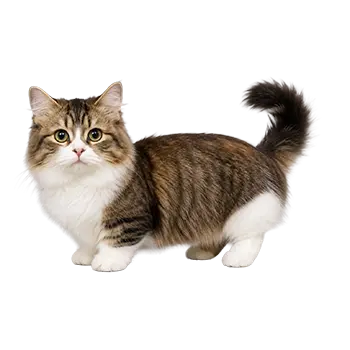

When Does Senior Begin?

Determining when a Kinkalow transitions from adulthood into the senior stage depends on individual health, genetics, and lifestyle factors, but most veterinarians consider cats to be senior beginning around ten to twelve years of age. Some Kinkalows may show signs of aging earlier, while others remain remarkably youthful well into their teens. The key is not a specific birthday but rather the subtle shifts in behavior, activity level, and physical condition that signal the body is beginning to slow down.

Early signs of aging in a Kinkalow can be easy to miss because the breed tends to retain its playful personality throughout life. You might notice your cat sleeping slightly more than usual, being less enthusiastic about vigorous play, or taking a moment to stretch before jumping down from furniture. Weight changes in either direction — gradual gain from decreased activity or gradual loss from changing metabolism — can also mark the beginning of the senior transition.

Once your Kinkalow enters the senior years, veterinary visits should increase from annual to biannual checkups. These more frequent visits allow your veterinarian to monitor for age-related conditions that are common in cats, including kidney disease, hyperthyroidism, diabetes, and dental disease. Baseline blood panels taken during the early senior years provide valuable reference points for detecting changes over time.

Accepting that your Kinkalow is aging does not mean accepting a decline in quality of life. With thoughtful adjustments to care, environment, and veterinary attention, many senior Kinkalows continue to live happy, comfortable, and engaged lives for years after entering this stage. The goal is to adapt your approach to meet your cat's evolving needs while preserving as much of their independence and enjoyment as possible.

Mobility & Joint Health

Joint health is a particularly important consideration for senior Kinkalows due to their shortened leg structure. While the breed generally moves comfortably throughout life, the wear and tear of aging can affect joints and mobility, potentially earlier or more noticeably than in standard-legged breeds. Watch for signs such as hesitation before jumping, difficulty climbing stairs, stiffness after resting, or a reluctance to use the litter box if the sides are too high.

Environmental modifications can make a significant difference in a senior Kinkalow's comfort and independence. Place pet stairs or ramps next to beds, couches, and favorite perches to reduce the need for jumping. Switch to litter boxes with low entry points or cut-down sides so your cat can enter and exit easily. Ensure that food, water, litter boxes, and resting spots are all on the same floor if your home has multiple levels, minimizing the need to navigate stairs.

Your veterinarian may recommend joint support strategies tailored to your Kinkalow's specific needs. Supplements containing glucosamine and chondroitin, omega-3 fatty acids, or other joint-supporting nutrients may be beneficial. In some cases, prescription medications or therapeutic diets formulated for joint health may be appropriate. Weight management remains critical, as even a small amount of excess weight can dramatically increase stress on aging joints.

Gentle exercise remains important for senior cats. While your Kinkalow may not chase toys with the same intensity as in younger years, short, low-impact play sessions help maintain muscle tone, joint flexibility, and mental engagement. Adapt play to your cat's current abilities — slow-moving toys along the floor, gentle batting games, and low-effort hunting simulations can keep a senior Kinkalow active without overexertion.

Cognitive Changes

Cognitive decline is a reality for many aging cats, and the Kinkalow is no exception. Feline cognitive dysfunction, sometimes compared to dementia in humans, can manifest in a variety of ways as a cat enters its senior and geriatric years. Common signs include disorientation or confusion in familiar surroundings, changes in sleep-wake cycles, increased vocalization especially at night, altered interactions with family members, and litter box accidents in a previously reliable cat.

If you notice any of these changes in your senior Kinkalow, the first step is always a veterinary evaluation to rule out medical causes. Many symptoms that appear to be cognitive in origin are actually caused by treatable conditions such as pain, hyperthyroidism, hypertension, or urinary tract infections. Once medical causes have been addressed or ruled out, your veterinarian can help you develop a management plan for cognitive changes.

Mental enrichment becomes especially valuable for a senior cat showing early signs of cognitive decline. Puzzle feeders at an appropriate difficulty level, gentle interactive play, and novel sensory experiences such as cat-safe herbs or a window birdfeeder can help keep the brain engaged. Maintaining consistent daily routines provides a sense of security for a cat that may be experiencing confusion, and keeping the home environment predictable reduces anxiety.

Patience and compassion are essential when living with a cognitively declining cat. A Kinkalow that vocalizes at night may benefit from a nightlight and a comfortable sleeping spot near your bedroom. A cat that becomes disoriented may appreciate having important resources — food, water, litter — placed in easily visible, well-lit locations. Remember that your cat is not being difficult; it is experiencing changes beyond its control, and your gentle support makes an enormous difference in its comfort and quality of life.

Nutrition for Aging

A senior Kinkalow's nutritional needs shift as metabolism slows and the body's ability to process nutrients changes. Senior-formulated cat foods are designed to address these changes, typically offering moderate protein levels from highly digestible sources, controlled fat content, and added nutrients that support kidney function, joint health, and immune system maintenance. Transition to a senior diet gradually, mixing it with the current food over seven to ten days to avoid gastrointestinal upset.

Protein quality becomes more important than ever in the senior years. Aging cats need adequate protein to maintain muscle mass, but the protein should come from easily digestible animal sources that do not place undue strain on the kidneys. Your veterinarian can help determine the optimal protein level based on your Kinkalow's kidney function as indicated by regular blood work. If kidney disease is detected, a prescription renal diet may be recommended.

Appetite changes are common in senior cats. Some Kinkalows become pickier eaters, while others may eat more voraciously due to conditions like hyperthyroidism. If your cat's appetite decreases, try warming food slightly to enhance aroma, offering smaller and more frequent meals, or experimenting with different textures. A cat that suddenly refuses food or experiences rapid weight loss needs veterinary attention, as this can indicate serious underlying illness.

Hydration takes on critical importance as cats age, since kidney function naturally declines over time and dehydration accelerates kidney disease progression. Provide multiple water sources throughout the home, consider a water fountain, and increase the proportion of wet food in your Kinkalow's diet. Some owners add a small amount of warm water to wet food to further boost fluid intake. Monitor water consumption and discuss any significant increases with your veterinarian, as increased thirst can be an early sign of kidney disease or diabetes.

Increased Veterinary Care

Senior Kinkalows benefit from a more intensive veterinary care schedule that reflects the increased health risks associated with aging. Biannual wellness exams allow your veterinarian to detect developing conditions while they are still manageable. Each visit should include a comprehensive physical examination, blood chemistry panel, complete blood count, thyroid screening, and urinalysis. Blood pressure measurement is also recommended, as hypertension is common in older cats and can cause damage to the eyes, kidneys, heart, and brain if left untreated.

Kidney disease is one of the most common conditions affecting senior cats, and early detection through regular monitoring of kidney values in blood work can significantly extend quality of life through dietary management and supportive care. Hyperthyroidism is another frequent finding in aging cats, characterized by weight loss despite a good appetite, increased thirst and urination, restlessness, and sometimes a palpable thyroid nodule. Both conditions are highly manageable when caught early.

Dental disease often reaches its most advanced stages in senior cats, and many older Kinkalows will require dental procedures to address painful teeth, gum disease, or oral infections. Dental pain can significantly impact quality of life and eating habits, yet cats are adept at hiding oral discomfort. Regular veterinary dental assessments are the most reliable way to identify and address dental problems before they cause suffering.

Keep a detailed health journal for your senior Kinkalow, noting weight, appetite, water intake, litter box output, activity level, and any behavioral observations. This record becomes an invaluable tool for your veterinarian in tracking trends and making informed care decisions. Changes that develop gradually over weeks or months can be difficult to recognize in the moment but become clear when documented consistently.

Quality of Life Assessment

Evaluating and maintaining quality of life is an ongoing process throughout the senior years, not just a consideration reserved for end-of-life decisions. Regularly assess your Kinkalow's daily experience across several dimensions: pain management, mobility, appetite and hydration, hygiene, happiness, and the balance of good days versus difficult ones. A cat that is eating willingly, engaging with family, grooming itself, and seeking out comfortable resting spots is generally enjoying a good quality of life.

Pain assessment in cats requires careful observation because felines are instinctive masters at hiding discomfort. Signs of pain in a senior Kinkalow may include decreased grooming leading to a matted or unkempt coat, changes in facial expression, withdrawal from social interaction, loss of interest in food, reluctance to be touched in certain areas, or changes in posture. If you suspect your cat is in pain, consult your veterinarian about appropriate pain management options.

Environmental comfort becomes increasingly important as your Kinkalow ages. Provide well-padded, warm resting spots in quiet areas of the home. Heated cat beds can soothe achy joints and attract a senior cat to comfortable resting locations. Maintain a consistent room temperature and protect your cat from drafts. Ensure that all essential resources are easily accessible without the need to navigate obstacles, jump to heights, or travel long distances.

Quality of life is ultimately about ensuring that your senior Kinkalow's daily experience is one of comfort, security, and contentment. There may be times when adjustments to medication, environment, or routine are needed to maintain that standard. Stay in close communication with your veterinarian and trust your own knowledge of your cat. You know your Kinkalow better than anyone, and your observations are essential in guiding care decisions that honor the bond you share.

Always consult a qualified professional before making any health-related decisions. This content is provided for informational reference only and should not replace professional guidance specific to your animal.