
Breeding Readiness

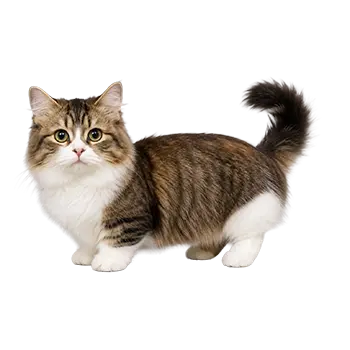
Breeding Kinkalow cats is a responsibility that requires thorough preparation, knowledge of the breed's genetic background, and a genuine commitment to producing healthy, well-socialized kittens. Before considering breeding, a potential Kinkalow breeder must understand that this is a hybrid breed created by crossing the Munchkin with the American Curl, and the genetics involved in producing the desired traits — short legs and curled ears — carry specific considerations that set this breed apart from standard breeding programs.

A Kinkalow intended for breeding should be at least twelve to eighteen months old before the first mating, ensuring the cat has reached full physical maturity. Both the sire and dam should undergo comprehensive health screening prior to breeding, including a full veterinary examination, blood panel, screening for feline leukemia virus and feline immunodeficiency virus, and evaluation of heart health. Any cat with significant health issues, poor temperament, or structural abnormalities beyond the normal breed characteristics should not be bred.

Genetic testing and pedigree analysis are especially important for the Kinkalow due to the nature of the mutations involved. The Munchkin gene responsible for short legs is an autosomal dominant trait, and breeding two cats that both carry the homozygous form of this gene can result in non-viable embryos. Responsible breeders carefully plan pairings to avoid this outcome, typically crossing a short-legged cat with a standard-legged cat to produce healthy litters with a mix of leg lengths.

Beyond physical readiness, evaluate your own preparedness as a breeder. Breeding cats requires a significant investment of time, money, and emotional energy. You should have a clean, dedicated space for queening, an established relationship with a veterinarian experienced in feline reproduction, a plan for kitten socialization and placement, and financial reserves to cover unexpected veterinary emergencies during pregnancy and delivery.

The Heat Cycle

Understanding the feline estrous cycle is essential for timing Kinkalow breedings effectively. Female cats are seasonally polyestrous, meaning they go through multiple heat cycles during periods of increasing daylight, typically from early spring through late fall. However, indoor cats exposed to artificial lighting may cycle year-round. A Kinkalow queen's first heat usually occurs between five and nine months of age, though breeding should be delayed until the cat is fully mature.

The estrous cycle in cats consists of several phases. Proestrus lasts one to two days and may involve slight behavioral changes such as increased affection and restlessness, but the queen is not yet receptive to mating. Estrus, the active heat phase, lasts four to ten days and is characterized by distinctive behaviors including loud vocalization, rolling on the floor, lordosis posture with the tail deflected to one side, and persistent attempts to escape outdoors. Some Kinkalows are particularly vocal during estrus, and first-time owners may find the intensity of these behaviors surprising.

Cats are induced ovulators, meaning ovulation occurs in response to mating rather than spontaneously. Multiple matings over the course of the estrus period increase the likelihood of successful ovulation and conception. If mating does not occur, the queen will cycle out of heat and enter interestrus, a resting period of one to three weeks before the next heat cycle begins.

If you are planning a breeding, coordinate timing carefully with the stud cat's owner. The queen is typically brought to the stud's home to reduce territorial stress on the male. Allow the cats supervised time to become acquainted before expecting mating behavior. Multiple supervised mating sessions over two to three days improve the chances of conception. Document the dates of mating for accurate estimation of the expected delivery date.

Pregnancy & Gestation

Feline gestation lasts approximately 63 to 67 days from the date of successful mating. Pregnancy in a Kinkalow queen follows the same general timeline as other cat breeds, though the small size of the breed means that physical changes may become noticeable relatively early. A veterinarian can confirm pregnancy through palpation at around three to four weeks or via ultrasound as early as two to three weeks after mating.

During the first few weeks of pregnancy, the queen may experience mild morning sickness manifesting as temporary appetite reduction or occasional vomiting. By the third week, the nipples begin to enlarge and pink up, a change known as pinking. Appetite increases steadily through the middle and later stages of pregnancy, and the queen should be transitioned to a high-quality kitten food to provide the increased calories and nutrients needed to support the developing kittens. Feed her freely during the latter half of pregnancy, as her caloric needs may increase by fifty percent or more.

As pregnancy progresses, the queen's abdomen will enlarge and her activity level may decrease. Provide her with a comfortable, quiet environment and avoid unnecessary stress, handling by strangers, or disruptions to her routine. Schedule a mid-pregnancy veterinary check to confirm the health of the queen and developing kittens, and discuss a radiograph in the final week of pregnancy to count fetal skeletons, which helps you know how many kittens to expect during delivery.

Prepare a nesting area well before the expected delivery date so the queen has time to become comfortable with it. A large, low-sided box lined with clean towels in a warm, quiet room makes an ideal queening box. Some queens will choose their own nesting spot regardless of what you provide, but having a prepared space ready increases the chances that she will use it.

Queening Preparation

As the expected delivery date approaches, typically around day 60 of gestation, begin preparing in earnest for the arrival of kittens. Assemble a queening kit that includes clean towels, a bulb syringe for clearing kitten airways, unwaxed dental floss and blunt scissors for tying and cutting umbilical cords if the mother does not sever them, a digital scale for weighing kittens, a heating pad, kitten milk replacer, and a small nursing bottle in case supplemental feeding becomes necessary.

In the days before delivery, the queen may exhibit nesting behavior, seeking out secluded spots and rearranging bedding. Her appetite may decrease in the final 24 to 48 hours before labor begins, and she may become restless, vocal, or unusually clingy. A drop in body temperature below 100 degrees Fahrenheit, taken rectally, often indicates that labor will begin within 12 to 24 hours, though this sign is not always reliable in every cat.

Have your veterinarian's emergency contact information readily available, including after-hours and weekend numbers. Know the location of the nearest emergency veterinary clinic and have transportation arranged in advance. While most Kinkalow deliveries proceed without complications, the breed's small size means that difficult births can occur, and knowing when to seek help is critical. Contact your veterinarian immediately if the queen has been actively straining for more than thirty minutes without producing a kitten, if more than two hours pass between kittens when you know more are expected, or if the queen appears to be in severe distress.

Kinkalow litters are typically small, often ranging from two to five kittens. Not all kittens in a litter will necessarily display the characteristic short legs or curled ears. Standard-legged and straight-eared kittens are a normal and expected part of Kinkalow breeding and can make wonderful pets. Prepare potential kitten buyers for the variety of appearances that a Kinkalow litter can produce.

Postpartum Care

The first 48 hours after delivery are critical for both the queen and her newborn kittens. Monitor the mother closely for signs of complications such as excessive bleeding, foul-smelling discharge, fever, lethargy, or refusal to care for her kittens. A moderate amount of dark reddish-brown vaginal discharge is normal for up to three weeks after birth, but bright red bleeding, greenish discharge, or a strong odor warrants immediate veterinary attention.

Ensure the queen is eating and drinking well in the days following delivery. Her nutritional demands during nursing are enormous, often requiring two to three times her normal caloric intake. Continue feeding high-quality kitten food throughout the nursing period, offering it freely so she can eat as much as she needs. Fresh water should always be available within easy reach of the nesting area so she does not have to leave her kittens for extended periods.

Weigh each kitten daily at the same time each day to track growth. Healthy newborns should gain weight consistently, typically doubling their birth weight within the first one to two weeks. A kitten that fails to gain weight, loses weight, or appears significantly smaller and weaker than its littermates may need supplemental feeding or veterinary evaluation. Keep the nesting area clean, warm, and draft-free, changing bedding at least once daily.

Schedule a postpartum veterinary visit for the queen and kittens within the first week after delivery. The veterinarian will examine the queen for retained placentas or other complications and assess each kitten's general health. This visit also provides an opportunity to discuss the timeline for first vaccinations, deworming, and any breed-specific observations about the kittens' development.

Responsible Breeding Ethics

Breeding Kinkalow cats carries ethical responsibilities that extend beyond producing attractive kittens. As a breeder, you serve as a steward of the breed's health and welfare, and every breeding decision should prioritize the well-being of the animals over aesthetics, profit, or convenience. The hybrid nature of the Kinkalow, combining two distinct mutations, demands a particularly thoughtful approach to genetic management.

The Munchkin gene that produces the Kinkalow's short legs has been a subject of ongoing debate within the broader cat breeding community. Responsible Kinkalow breeders must stay informed about current research regarding the long-term health implications of the short-leg mutation and make breeding decisions that minimize potential health risks. This includes never breeding two homozygous short-legged cats together, maintaining genetic diversity within breeding programs, and honestly disclosing the health history of all breeding animals.

Every breeder should have a comprehensive plan for the placement of every kitten produced. This includes thorough screening of potential adopters, written adoption contracts that include a spay or neuter agreement for pet-quality kittens, and a lifetime commitment to take back any kitten or cat that an adopter can no longer keep. No kitten should ever be placed in a home without the breeder feeling confident that the adopter understands the breed's needs and is committed to providing lifelong care.

Limit the number of litters a queen produces in her lifetime and allow adequate recovery time between pregnancies. Most responsible breeders allow no more than one to two litters per year and retire queens from breeding by around five to seven years of age. A retired breeding queen deserves a loving permanent home, whether with the breeder or in a carefully selected adoptive family. Breeding should always be an act of passion for the breed's welfare, never a commercial enterprise that treats animals as production units.

Always consult a qualified professional before making any health-related decisions. This content is provided for informational reference only and should not replace professional guidance specific to your animal.