
American Curl Cat Breed Guide - Furry Critter Network

American Curl

Quick Facts

πŸ† Breed Group
Mutation
πŸ“Š Size Category
Medium
βš–οΈ Weight
5-10 pounds
⏱️ Life Expectancy
12-16 years
✨ Coat Type
Silky, flat-lying
πŸ“ Coat Length
Short or Long
🎨 Coat Colors
Black, White, Blue, Red, Cream, Chocolate, Lilac, Silver, Golden, Tortoiseshell, Calico, Tabby, Bicolor
πŸ‘οΈ Eye Colors
Amber, Blue, Copper, Gold, Green, Hazel, Odd-eyed, Yellow
😊 Temperament
Affectionate, playful, curious, gentle, adaptable
πŸ”Š Vocalization
Low to Moderate
πŸ‘Ά Good With Children
Yes
🐾 Good With Other Pets
Yes

American Curl - Names & Recognition

The American Curl derives its name from the breed's most striking physical feature: ears that curl backward in a graceful arc away from the face, creating an alert, surprised expression that is instantly recognizable. The name is straightforward and descriptive, combining the breed's country of origin with the defining characteristic that separates it from all other domestic cat breeds. There are no widely used alternate names for the American Curl, though breeders and enthusiasts sometimes affectionately refer to them simply as Curls in casual conversation.

The breed's journey through official recognition began with The International Cat Association, which granted the American Curl registration status in 1987 and advanced the breed to Championship status in both longhair and shorthair divisions. The Cat Fanciers' Association followed with provisional recognition in 1991 and full Championship status in 1993, making the American Curl one of the few breeds accepted for championship competition in both coat lengths simultaneously. The American Cat Fanciers Association also recognizes the breed, as does the Federation Internationale Feline, which accepted the American Curl in 2002.

The speed with which the American Curl gained recognition across major registries is notable given that the breed's foundation traces back only to 1981. This rapid acceptance reflects the clear genetic distinctiveness of the ear curl mutation and the dedicated work of early breeders who established consistent breed standards while maintaining a diverse and healthy gene pool. The breed holds the distinction of being one of the most recently developed natural mutation breeds to achieve widespread international recognition.

Unlike breeds that carry different names across regions or registries, the American Curl maintains a consistent identity worldwide. The breed standard is largely harmonized across organizations, with minor variations in accepted coat colors and pattern descriptions. This consistency has helped establish the American Curl as a well-defined breed with a clear identity in the global cat fancy community, avoiding the confusion that sometimes accompanies breeds known by multiple names in different countries.

Cat Registry Recognition

  • The International Cat Association (TICA): Recognized in 1987, All Breed
  • Cat Fanciers' Association (CFA): Recognized in 1993, Championship Class
  • FΓ©dΓ©ration Internationale FΓ©line (FIFe): Recognized in 2002, Category III
  • American Cat Fanciers Association (ACFA): Recognized in 1991, Championship

American Curl Physical Description

The American Curl is a medium-sized cat with an elegant, well-proportioned body that conveys both grace and substance without appearing heavy or cobby. Males typically weigh between 7 and 10 pounds, while females range from 5 to 8 pounds. The body is moderately long and semi-foreign in type, with a straight back and a gentle rise from the hip to the shoulder that gives the cat a poised, athletic silhouette. The legs are medium in length and well-muscled, ending in rounded paws that are proportionate to the body. The tail is wide at the base, tapering to a point, and equals the body in length, carried in a flowing plume in longhaired individuals.

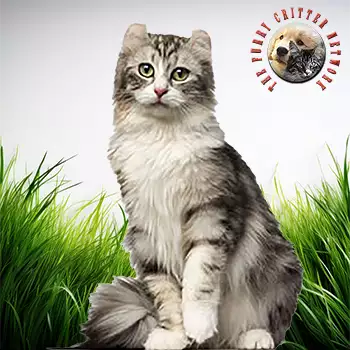
The defining characteristic of the American Curl is its uniquely shaped ears, which curl backward in a smooth arc ranging from 90 to 180 degrees. Kittens are born with straight ears that begin curling within two to ten days after birth, going through a gradual tightening process that reaches its final set between approximately sixteen weeks and four months of age. The degree of curl varies among individuals and is categorized into three grades: first degree with a slight curl, second degree with a more pronounced arc, and third degree with the most dramatic crescent-shaped curl preferred for show cats. The ear cartilage is firm to the touch from the base to at least one-third of the ear height, and the ears should never be forced into an unnatural position.

The head of the American Curl is a modified wedge shape, slightly longer than it is wide, with smooth, flowing contours and no flat planes. The nose is moderate in length with a gentle rise from the bridge to the forehead. The eyes are walnut-shaped, moderately large, and set on a slight angle between the base of the ear and the tip of the nose. Eye color is not restricted and bears no relation to coat color, with the exception of blue eyes required in colorpoint patterns. The overall facial expression is one of bright-eyed curiosity, enhanced by the backward sweep of the ears which creates an open, engaged appearance.

The American Curl comes in two coat varieties that are judged separately in competition. The longhair variety features a fine, silky coat that lies flat against the body with minimal undercoat, a full plumed tail, and a subtle ruff around the neck. The shorthair variety has a short, smooth coat with the same silky texture and even less undercoat, creating a sleek appearance that highlights the cat's body structure. Both varieties exhibit remarkably little matting tendency due to their minimal undercoat, and both feel noticeably soft and luxurious compared to breeds with denser, coarser fur.

The breed accepts all colors and patterns, including solid, tabby, tortoiseshell, colorpoint, bicolor, and shaded varieties. This remarkable range of acceptable appearances means that two American Curls can look strikingly different in color and pattern while sharing the same elegant body type and signature ear curl. The breed's overall impression is one of refined beauty combined with an alert, intelligent demeanor that captures attention in both the show ring and the living room.

Affectionate With Family
American Curls are deeply devoted companions that thrive on human interaction and form strong emotional bonds with every member of the household. They are known for seeking out laps, following their owners from room to room, and greeting family members at the door with genuine enthusiasm. Unlike breeds that attach primarily to one person, Curls distribute their affection broadly and seem to have an innate understanding of when a family member needs comfort or companionship.
Good With Young Children
The American Curl's gentle and patient temperament makes them a reliable companion for families with young children. They are tolerant of handling and rarely resort to scratching or biting when play becomes rough, preferring instead to simply walk away from overstimulating situations. Their playful nature means they genuinely enjoy interactive games with children, though their delicate ears require that youngsters be taught to handle them with appropriate care.
Good With Other Cats
American Curls possess a naturally sociable disposition that extends to other feline housemates. They are rarely territorial or aggressive toward other cats and tend to integrate smoothly into multi-cat households. Their adaptable personality allows them to coexist peacefully with both dominant and submissive cats, often serving as a stabilizing presence in the social dynamics of a multi-cat home. They frequently engage in mutual grooming and play with feline companions.
Shedding Level
American Curls are relatively low shedders compared to many other breeds, largely because they possess minimal undercoat regardless of whether they carry the shorthair or longhair variety. This reduced undercoat means less loose fur on furniture and clothing throughout the year. Seasonal shedding increases are mild and manageable with routine brushing, making the breed a practical choice for owners who prefer a cleaner home environment without sacrificing the pleasure of a well-furred cat.
Coat Grooming Frequency
The American Curl's silky, flat-lying coat is remarkably low-maintenance due to its minimal undercoat and resistance to matting. Shorthaired Curls need only a weekly brushing to remove loose hair and distribute natural oils, while longhaired individuals benefit from twice-weekly grooming sessions. Neither variety requires the intensive daily combing that many longhaired breeds demand, making the American Curl an excellent choice for those who appreciate a beautiful coat without the burden of constant upkeep.
Coat Type
The American Curl comes in both shorthair and longhair varieties, each featuring a silky, smooth-lying coat with minimal undercoat. The shorthair variety has a sleek, close-lying coat that accentuates the cat's elegant body lines, while the longhair variety displays a flowing, plumed tail and a soft ruff around the neck. Both coat types share the same fine, silky texture that feels luxurious to the touch and requires significantly less grooming effort than breeds with denser, woolier coats.
Playfulness Level
American Curls retain a kitten-like playfulness well into their adult years and even into their senior period, earning them the affectionate nickname of the Peter Pan of the cat world. They enjoy a wide range of play activities including chasing toys, batting at feather wands, and engaging in spontaneous bouts of zoomies around the house. Their intelligence means they quickly learn the rules of interactive games and will often initiate play sessions by bringing toys to their owners.
Adaptability Level
Few breeds match the American Curl's ability to adapt gracefully to new environments, schedules, and household changes. They handle moves, the introduction of new family members or pets, and changes in routine with remarkable composure. This adaptability extends to living situations as well, as they thrive equally in small apartments and large homes, with active families or quieter households. Their even-tempered nature means they rarely become stressed by the disruptions that unsettle more sensitive breeds.
Trainability Level
American Curls are intelligent and eager to please, which makes them surprisingly responsive to training for a cat breed. They readily learn to come when called, sit on command, and even perform simple tricks when positive reinforcement methods are used consistently. Their curiosity and food motivation make clicker training particularly effective. Many Curl owners successfully train their cats to walk on a leash, use puzzle feeders, and navigate agility-style obstacles set up around the home.
Vocalization Level
The American Curl is a relatively quiet breed that communicates more through body language and physical closeness than through vocalization. When they do speak, their voices tend to be soft, melodic, and unobtrusive, consisting of gentle chirps and trills rather than loud meows. They may vocalize at mealtimes or when they particularly want attention, but they are unlikely to engage in the persistent, demanding vocal displays characteristic of breeds like the Siamese. This low vocalization level makes them well-suited to apartments and shared living spaces.

American Curl History & Origins

The American Curl's origin story begins in June 1981 in Lakewood, California, when a stray longhaired black kitten with unusual backward-curling ears appeared on the doorstep of Joe and Grace Ruga. The couple took in the kitten and her companion, naming the black female Shulamith and the other cat Panda. Panda eventually disappeared, but Shulamith remained and became the foundational matriarch of the entire American Curl breed. Every pedigreed American Curl alive today can trace its lineage back to this single stray cat, making the breed's genetic origin remarkably well-documented and narrow.

In December 1981, Shulamith delivered her first litter of four kittens, two of which displayed the same distinctive curled ears as their mother. This immediately suggested that the ear curl was caused by a dominant gene, a hypothesis later confirmed through systematic breeding programs and genetic analysis. The Rugas shared kittens with friends and family, and word of the unusual cats began to spread throughout the Southern California cat fancy community. By 1983, breeders Nancy Kiester and others had begun documenting the cats and developing a breeding program with the goal of establishing the American Curl as a recognized breed.

The geneticist Roy Robinson analyzed data from 383 kittens born in 81 litters during the breed's early development and confirmed that the ear-curling trait was governed by a single autosomal dominant gene with no associated homozygous defects. This was a critical finding that distinguished the American Curl's mutation from other ear-shape mutations in cats, such as the Scottish Fold's cartilage gene, which can cause painful skeletal abnormalities when present in homozygous form. Robinson's research, published in the Journal of Heredity in 1989, provided scientific credibility that accelerated the breed's acceptance by major registries.

The breed development program took a deliberately inclusive approach to outcrossing, using domestic longhair and shorthair cats without pedigrees to maintain genetic diversity and overall health. This strategy, while unusual for a breed program, proved remarkably successful in preventing the inbreeding-related health problems that plague many pedigreed cat breeds. The breeders prioritized health and temperament alongside the ear curl trait, resulting in a breed with a robust genetic foundation. CFA accepted domestic outcrosses until January 2015, after which the breed closed its studbook to non-Curl outcrosses.

The American Curl's rise from a single stray cat to international recognition in little more than a decade represents one of the fastest breed development programs in the history of the cat fancy. The breed's story also stands as a testament to the role that spontaneous genetic mutations play in creating feline diversity, and it highlights how a thoughtful, science-guided breeding program can establish a healthy, distinctive breed without the skeletal or health compromises that have accompanied some other mutation-based breeds.

American Curl Temperament & Personality

The American Curl is frequently described as the Peter Pan of the cat world due to its enduring kitten-like personality that persists well into adulthood and even the senior years. These cats retain a youthful exuberance and curiosity that keeps them engaged with their environment and their human companions throughout their lives. They greet each day with genuine enthusiasm, exploring familiar spaces as if discovering them for the first time and approaching new objects or situations with more curiosity than caution. This perpetual youthfulness is one of the breed's most endearing qualities and a major reason for its devoted following.

Affection is a cornerstone of the American Curl's personality. These cats are devoted to their families and express their attachment through consistent physical closeness rather than demanding vocalization. They prefer to be in the same room as their owners, often sitting nearby or on a lap rather than across the house. They are not typically clingy or anxious when left alone for reasonable periods, but they clearly prefer company and will greet returning family members with visible delight. Their affectionate nature extends to visitors as well, as most Curls are confident enough to approach and investigate new people rather than hiding.

Intelligence and adaptability are hallmarks of the American Curl's character. They are quick to learn household routines, respond to their names reliably, and can be taught tricks and commands using positive reinforcement. Their problem-solving abilities mean they can figure out how to open cabinets, activate toys, and navigate obstacles with impressive resourcefulness. This intelligence does not translate into destructive behavior, however, as Curls tend to channel their mental energy into play and exploration rather than mischief, particularly when provided with adequate enrichment.

Despite their playful energy, American Curls are not hyperactive or demanding cats. They possess an innate sense of balance between activity and rest, engaging enthusiastically in play sessions and then settling contentedly for quiet companionship. They are remarkably attuned to the moods of their owners, often becoming calm and gentle when they sense someone is unwell or upset. This emotional sensitivity, combined with their moderate energy level and low vocalization tendencies, makes them exceptionally well-suited to a wide range of household types, from busy families to single-person homes.

The breed's temperament also includes a notable degree of confidence and composure. American Curls handle changes in environment, routine, and household composition with less stress than many other breeds. They travel reasonably well, adjust to new homes without prolonged hiding periods, and accept the introduction of new pets or family members with equanimity. This adaptability, rooted in the breed's genetically diverse background, makes the American Curl one of the most versatile companion cats available.

Care Requirements

Providing proper care for an American Curl requires attention to their unique physical features, particularly their distinctive curled ears. The firm cartilage of the ear should never be bent, folded, or manipulated roughly, as this can damage the cartilage and cause pain. When cleaning the ears, use a gentle veterinarian-recommended ear cleanser applied to a soft cotton ball, wiping only the visible surfaces without inserting anything into the ear canal. Ear cleaning should be performed weekly to prevent wax accumulation, which can be slightly more likely due to the ear's unusual shape affecting air circulation within the canal.

Environmental enrichment is important for maintaining the American Curl's mental and physical wellbeing. These intelligent, playful cats benefit from a variety of interactive toys, puzzle feeders, and climbing structures that allow them to express natural behaviors. Cat trees with multiple levels provide vertical territory and exercise opportunities, while window perches satisfy their curiosity about the outdoor world. Rotating toys regularly prevents boredom and keeps the cat engaged, and daily interactive play sessions using wand toys or laser pointers help strengthen the bond between cat and owner while providing essential exercise.

Indoor living is strongly recommended for American Curls. Their trusting, friendly nature makes them poorly equipped to handle the dangers of outdoor life, including traffic, predators, infectious diseases, and parasites. Their distinctive ears also make them vulnerable to frostbite in cold climates. A secure outdoor enclosure or catio can provide the benefits of fresh air and outdoor stimulation without exposing the cat to outdoor risks. If leash training is undertaken, use a properly fitted harness rather than a collar, and always supervise outdoor excursions.

Litter box maintenance should follow the general guideline of providing one box per cat plus one additional box, placed in quiet, accessible locations throughout the home. American Curls are fastidious about hygiene and may refuse to use a dirty litter box, so daily scooping and regular complete litter changes are essential. The litter box should be large enough for the cat to turn around comfortably, and covered boxes should be avoided if the cat shows any reluctance to enter them.

Regular nail trimming every two to three weeks prevents overgrowth and reduces the risk of nails snagging on fabrics or scratching furniture. Providing sturdy scratching posts in both vertical and horizontal orientations satisfies the cat's natural scratching instinct and helps maintain nail health. Start handling the paws, ears, and mouth early in life to acclimate the American Curl to routine grooming procedures, making veterinary visits and home care much easier as the cat matures.

Feeding & Nutrition

The American Curl's nutritional needs are best met with a high-quality, protein-rich diet that reflects the cat's obligate carnivore status. Animal-based protein should be the primary ingredient in any food selected, whether it is a commercial kibble, wet food, or a combination of both. Avoid foods that rely heavily on plant-based protein sources or grain fillers, as these provide less biologically appropriate nutrition for cats and can contribute to weight gain and digestive issues. The specific brand or formulation matters less than the quality of ingredients and the overall macronutrient profile.

Feeding amounts should be carefully calibrated based on the individual cat's age, weight, activity level, and metabolic rate rather than relying solely on package guidelines, which tend to overestimate portions. An average adult American Curl weighing seven to eight pounds typically requires between 200 and 280 calories per day, though highly active individuals may need somewhat more. Dividing the daily food allotment into two or three measured meals helps regulate metabolism and prevents the overeating that can occur with free-feeding, particularly in indoor cats with limited exercise opportunities.

Fresh water should be available at all times, and many American Curls prefer running water from a pet fountain over standing water in a bowl. Adequate hydration supports kidney function, urinary tract health, and overall cellular processes. Incorporating wet food into the diet provides additional moisture intake, which is particularly beneficial for cats that are reluctant water drinkers. Some owners supplement with occasional bone broth or water added to dry food to increase fluid consumption.

Kittens require a diet specifically formulated for growth, with higher protein and calorie density to support their rapid development during the first twelve months of life. Senior American Curls over the age of ten may benefit from a senior-formulated diet that accounts for decreased activity levels and changing metabolic needs, often with adjusted phosphorus levels to support aging kidneys. Any dietary transitions should be made gradually over seven to ten days, mixing increasing proportions of the new food with decreasing amounts of the old to prevent gastrointestinal upset.

Treats should constitute no more than ten percent of the cat's total daily caloric intake and should ideally be high-protein, low-carbohydrate options such as freeze-dried meat or small pieces of cooked chicken. Avoid offering human foods that are toxic to cats, including onions, garlic, chocolate, grapes, and anything containing xylitol. Consult with your veterinarian about any supplementation, as a well-balanced commercial diet generally provides all necessary vitamins and minerals without additional supplementation.

American Curl Health & Lifespan

The American Curl is considered a healthy and robust breed with a typical lifespan of twelve to sixteen years, with some individuals living well into their late teens when provided with excellent care. The breed's genetic health owes much to the deliberate outcrossing strategy employed during its development, which created a broad gene pool that avoided the concentration of deleterious recessive genes that can plague breeds with smaller founding populations. This genetic diversity remains one of the American Curl's greatest advantages from a health perspective.

The ear curl mutation itself, caused by a dominant gene affecting ear cartilage, has been extensively studied and found to be remarkably benign compared to other structural mutations in cats. Unlike the Scottish Fold's ear gene, which is associated with osteochondrodysplasia and painful cartilage and bone abnormalities in homozygous individuals, the American Curl gene produces no known skeletal side effects in either heterozygous or homozygous form. Roy Robinson's foundational genetic study confirmed this absence of associated pathology, and decades of breeding have supported these findings. The only ear-related concern is the potential for slightly narrowed ear canals in some individuals, which can predispose to wax buildup but is manageable with routine cleaning.

Hypertrophic cardiomyopathy remains a concern across the domestic cat population generally, and American Curls are not immune. Responsible breeders screen their breeding animals with echocardiography to detect thickening of the heart walls before it becomes clinically significant. Prospective owners should request documentation of cardiac screening when purchasing a kitten from a breeder. Annual or biannual veterinary examinations that include cardiac auscultation can help detect murmurs or arrhythmias that warrant further investigation.

Dental disease represents one of the more common health challenges for American Curls, as it does for most domestic cat breeds. Regular dental care including home brushing, dental treats, and periodic professional cleanings under anesthesia can dramatically reduce the incidence and severity of periodontal disease. Early intervention is key, as advanced dental disease can lead to tooth loss, chronic pain, and systemic bacterial infections that affect the heart, kidneys, and liver.

Maintaining an appropriate body weight is one of the most impactful things an owner can do to promote longevity and quality of life in their American Curl. Obesity predisposes cats to diabetes mellitus, hepatic lipidosis, arthritis, and cardiovascular strain. Regular weigh-ins, measured feedings, and daily interactive play help keep the American Curl at a healthy weight throughout life. Senior cats should receive more frequent veterinary checkups, ideally every six months, to monitor for age-related conditions including chronic kidney disease, hyperthyroidism, and cognitive changes.

Common Health Issues

  • Ear canal narrowing - The cartilage mutation responsible for the American Curl's distinctive ears can occasionally lead to narrowed ear canals in some individuals. This narrowing may predispose affected cats to wax buildup and ear infections if not monitored carefully. Regular veterinary ear examinations are essential to catch any narrowing early and establish an appropriate cleaning regimen before secondary infections develop.
  • Hypertrophic cardiomyopathy - HCM is the most prevalent form of heart disease in domestic cats and can affect American Curls. This condition involves a progressive thickening of the heart's muscular walls, which can impair the heart's ability to pump blood efficiently. While not occurring at elevated rates compared to the general cat population, responsible breeders screen their breeding stock with echocardiograms to reduce the incidence of this serious condition.
  • Progressive retinal atrophy - PRA is a degenerative eye condition that causes the gradual deterioration of the retina, eventually leading to vision loss. While not highly prevalent in the breed, it has been reported in some American Curl lines. Genetic testing of breeding cats helps reduce the risk of passing this condition to offspring, and early detection through regular ophthalmologic examinations allows owners to adapt their home environment to support a cat with declining vision.
  • Dental disease - Like many domestic cat breeds, American Curls are susceptible to periodontal disease if dental hygiene is neglected. Plaque and tartar accumulation can progress to gingivitis, tooth resorption, and eventual tooth loss. The bacteria associated with advanced dental disease can also enter the bloodstream and affect internal organs, making preventive dental care an important component of the American Curl's overall health management.
  • Obesity - American Curls can be prone to weight gain, particularly indoor-only individuals that receive insufficient exercise or are overfed. Their moderate build can make incremental weight gain difficult to detect without regular weigh-ins. Excess weight places additional stress on joints, increases the risk of diabetes mellitus, and can contribute to hepatic lipidosis if the cat later undergoes rapid weight loss.

Preventive Care & Health Monitoring

  • Regular ear cleaning and inspection - The American Curl's unique ear cartilage requires gentle handling and routine inspection. Clean the ears weekly using a veterinarian-approved ear cleanser and soft cotton, being careful never to force the ear flap into an unnatural position. Monitor for signs of infection such as redness, odor, or excessive wax buildup, and consult your veterinarian promptly if any abnormalities are detected.
  • Annual veterinary wellness examinations - Schedule comprehensive veterinary checkups at least once per year for adult American Curls and twice per year for seniors over age ten. These visits should include a thorough physical examination, weight assessment, dental evaluation, and discussion of any behavioral or appetite changes. Blood panels and urinalysis can help detect early signs of kidney disease, diabetes, or thyroid disorders.
  • Core and lifestyle vaccinations - Maintain current vaccinations following your veterinarian's recommended schedule. Core vaccines for feline panleukopenia, herpesvirus, and calicivirus are essential for all American Curls. Rabies vaccination is required by law in most jurisdictions. Additional vaccines such as feline leukemia virus may be recommended based on your cat's exposure risk and lifestyle factors.
  • Dental hygiene program - Establish a dental care routine that includes brushing your American Curl's teeth several times per week with a feline-specific toothpaste. Supplement brushing with dental treats and toys designed to reduce plaque accumulation. Professional dental cleanings under anesthesia may be recommended periodically by your veterinarian to address tartar buildup below the gumline that home care cannot reach.
  • Weight management and body condition monitoring - Weigh your American Curl monthly and assess their body condition score regularly by feeling for rib coverage and observing their waistline from above. Adjust caloric intake based on age, activity level, and body condition rather than relying solely on feeding guidelines printed on food packaging. Consult your veterinarian if your cat's weight changes more than half a pound in either direction over a short period.

Coat Color & Grooming

The American Curl is accepted in every color and pattern recognized in domestic cats, making it one of the most visually diverse pedigreed breeds. Solid colors include black, white, blue, red, cream, chocolate, and lilac. Pattern varieties encompass classic tabby, mackerel tabby, spotted tabby, ticked tabby, tortoiseshell, calico, bicolor, van, colorpoint, shaded, smoke, and chinchilla. This extraordinary range means that within a single litter, kittens may display strikingly different appearances while sharing the same breed characteristics and ear curl.

Grooming the American Curl is refreshingly straightforward compared to many other breeds, largely due to the coat's minimal undercoat and silky texture that resists matting and tangling. Shorthaired Curls require only a weekly brushing with a fine-toothed comb or soft slicker brush to remove loose hair and distribute natural skin oils throughout the coat. Longhaired individuals benefit from brushing twice per week, with particular attention to the areas behind the ears, under the legs, and along the belly where friction can occasionally cause minor tangles.

Bathing is rarely necessary for American Curls unless the cat gets into something messy or is being prepared for a show. When bathing is needed, use a gentle cat-specific shampoo and ensure thorough rinsing to prevent residue that can dull the coat's natural luster. The silky coat dries relatively quickly compared to denser-coated breeds. After bathing, gently towel dry and allow the cat to finish air-drying in a warm, draft-free area. A low-heat blow dryer can be used if the cat tolerates it, but many Curls prefer to dry naturally.

The ears require special grooming attention beyond what other breeds need. Because the curled cartilage changes the ear canal's natural airflow patterns, wax can accumulate more readily in some individuals. Inspect the ears weekly during routine grooming and clean gently with a cotton ball dampened with a veterinarian-approved ear cleaning solution. Never use cotton swabs or insert anything into the ear canal. Handle the ears with care at all times, avoiding any bending or manipulation of the firm cartilage, as rough handling can cause permanent damage to the ear structure.

Seasonal shedding in American Curls is mild compared to breeds with dense double coats. Spring and fall may bring a slight increase in loose hair, but the overall shedding volume remains low throughout the year. This characteristic, combined with the low grooming requirements, makes the American Curl a practical choice for owners who want a beautiful, well-maintained cat without devoting extensive time to coat care. Regular grooming sessions also serve as valuable bonding time and provide an opportunity to check for skin abnormalities, lumps, parasites, or other health concerns.

Children & Other Pets

The American Curl's gentle, patient, and playful temperament makes it an excellent choice for families with children of all ages. These cats genuinely enjoy the interaction and activity that children bring to a household, often seeking out younger family members for play sessions and companionship. Their tolerance for handling is above average among cat breeds, and they are far more likely to walk away from an overly enthusiastic child than to scratch or bite. This combination of playfulness, patience, and self-removal makes them a safer choice for families with young children than many more reactive breeds.

However, it is essential that children be taught proper handling techniques, particularly regarding the American Curl's ears. The curled cartilage is firm but can be damaged by rough handling, bending, or pulling. Children should understand that the ears are not toys and must be treated gently at all times. Teaching children to approach the cat calmly, pet along the body rather than grab at the head or ears, and recognize when the cat signals that it wants to be left alone creates a foundation for a safe, respectful relationship that benefits both child and cat.

American Curls integrate well into homes with other cats, showing a sociable nature that allows them to coexist peacefully with feline companions. They are rarely aggressive or excessively territorial, preferring cooperative social arrangements over dominance struggles. Introductions to new cats should still follow best practices of gradual, scent-based introduction over one to two weeks, but American Curls typically progress through the introduction process more quickly and with less stress than breeds known for territorial behavior. Multi-cat households often find that the Curl's easygoing personality helps stabilize the social dynamics of the group.

The breed also coexists well with cat-friendly dogs, particularly when proper introductions are managed carefully. American Curls are confident enough to hold their ground without aggression and adaptable enough to learn the social cues of a canine housemate. Their playful nature means they may even initiate games with a dog companion once the two animals have established trust. Homes with dogs that have high prey drives should exercise additional caution during the introduction period, but most American Curls adapt to dog companionship successfully.

Small pets such as hamsters, guinea pigs, birds, and fish should be kept securely housed and separated from the American Curl, as the breed retains natural hunting instincts despite its gentle domestic demeanor. While individual Curls vary in their prey drive, it is never advisable to leave any cat unsupervised with small animals that could be perceived as prey. Aquariums should have secure lids, bird cages should be placed out of reach, and rodent enclosures should be sturdy enough to resist a curious cat's investigation.