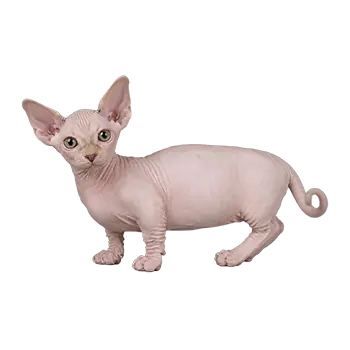

The arrival of Dwelf kittens is a delicate event that requires immediate attention and careful observation. Because Dwelf kittens are born hairless or nearly so, they are exceptionally vulnerable to temperature fluctuations from the moment they emerge. The queen should be allowed to clean each kitten and stimulate breathing naturally, but caregivers must be ready to intervene if a kitten is not responsive or if the mother shows signs of exhaustion after a difficult delivery.
Within the first hour, each kitten should begin nursing to receive colostrum, the nutrient-rich first milk that provides essential antibodies. Dwelf kittens are tiny at birth, often weighing only two to three ounces, so ensuring every kitten latches on successfully is critical. If a kitten struggles to nurse, gentle repositioning near a productive nipple can help, but avoid excessive handling that could stress the mother.
The birthing area should be warm, quiet, and free from drafts. A nesting box with soft bedding and a supplemental heat source kept at the perimeter ensures kittens stay warm without overheating. Monitor the queen for signs of complications such as prolonged straining, excessive bleeding, or disinterest in her kittens, and contact a veterinarian immediately if anything seems abnormal.
During these first hours, perform a gentle visual check of each kitten. Look for obvious abnormalities such as cleft palate, limb deformities, or an inability to move toward the mother. Dwelf kittens inherit traits from Munchkin, Sphynx, and American Curl lines, so their ear cartilage may not yet show the characteristic curl, and their short legs may be more apparent as they grow. Keep a written record of each kitten's approximate weight and any observations to share with your veterinarian.