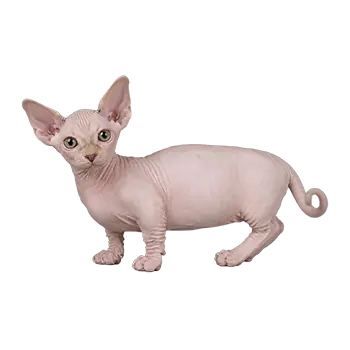

Peak Health Maintenance

The Dwelf reaches full physical maturity between one and two years of age, entering a prime period that can last well into the cat's middle years with proper care. During this stage, the focus shifts from growth and development to maintaining the excellent health the cat has built during kittenhood. A consistent routine of veterinary checkups, skin care, and environmental management forms the backbone of long-term wellness for this unique breed.

Annual veterinary examinations are the minimum standard for adult Dwelf cats, and many veterinarians recommend biannual visits given the breed's hybrid background and hairless skin. These checkups should include a thorough physical examination, dental assessment, blood work to establish baseline values, and discussion of any changes in behavior, appetite, or activity level. Early detection of subtle health shifts is much easier when your veterinarian has a comprehensive history to reference.

Skin health requires ongoing attention throughout adulthood. The Dwelf's hairless body produces natural oils that accumulate on the skin surface, and without regular bathing these oils can clog pores, attract dirt, and lead to irritation or acne-like breakouts. Most Dwelf owners find that a gentle bath every one to two weeks using a mild, fragrance-free cleanser keeps the skin clean and supple. Between baths, a soft damp cloth can be used to wipe down the cat, paying particular attention to skin folds and creases.

Maintaining a safe indoor environment is essential for the Dwelf at every life stage but becomes a settled routine during adulthood. These cats should never be allowed to roam outdoors unsupervised, as their hairless skin offers no protection from sunburn, temperature extremes, parasites, or injuries. A secure, enriched indoor environment with access to warm resting spots, climbing structures, and interactive toys provides everything the adult Dwelf needs to thrive.

Nutrition at Maturity

Once growth is complete, the adult Dwelf's dietary needs stabilize, but the importance of high-quality nutrition does not diminish. Adult maintenance formulas should feature a named animal protein as the primary ingredient, with moderate fat content to support skin health and energy needs without promoting excess weight gain. Because Dwelf cats burn additional calories regulating body temperature, they may require slightly more food per pound of body weight than furred breeds of similar size.

Portion control is important for preventing obesity, which places disproportionate stress on the Dwelf's shortened limbs and compact frame. Measure meals rather than free-feeding, and use your veterinarian's body condition scoring guidance to assess whether your cat is at an ideal weight. You should be able to feel the ribs with light pressure but not see them prominently. A slight waist when viewed from above and a modest abdominal tuck when viewed from the side indicate a healthy body condition.

Supplementation with omega-three and omega-six fatty acids can benefit the Dwelf's skin, which is constantly exposed to environmental contact without the buffer of fur. Many high-quality cat foods include adequate levels of these nutrients, but your veterinarian may recommend additional supplementation if skin dryness or irritation persists despite a balanced diet. Always consult your veterinarian before adding any supplements to ensure they are appropriate and correctly dosed.

Fresh water intake is critical for urinary tract health, and many Dwelf cats prefer drinking from moving water sources. A pet fountain encourages increased water consumption, which supports kidney function and helps prevent the formation of urinary crystals or stones. Monitor water intake and urine output as part of your regular health observations, and report any significant changes to your veterinarian.

Exercise & Fitness

Adult Dwelf cats retain much of the playful energy they displayed as kittens, and daily exercise remains essential for physical and mental well-being. Interactive play sessions using wand toys, laser pointers used responsibly with a tangible catch at the end, and toss-and-fetch games with small soft toys keep the Dwelf engaged and physically active. Aim for at least two dedicated play sessions of fifteen to twenty minutes each day, though many Dwelf cats will happily play for longer.

The Dwelf's short legs do not significantly limit its athleticism, but they do change the way the cat moves and jumps. Providing cat furniture with closely spaced levels, ramps, and low platforms allows the Dwelf to climb and explore vertical space without needing to make large leaps that could strain joints over time. Window perches at accessible heights give the cat a stimulating view of the outdoors, providing mental enrichment alongside physical comfort.

Puzzle feeders and foraging toys add a cognitive dimension to daily activity. Hiding small portions of the cat's meal in puzzle toys around the house encourages natural hunting behavior and prevents the sedentary habits that can develop in indoor-only cats. Rotate toys and puzzle types regularly to maintain the Dwelf's interest, as these intelligent cats can quickly master a familiar challenge and lose motivation.

Social interaction is itself a form of exercise and enrichment for this highly people-oriented breed. Dwelf cats often follow their owners from room to room, participate in household activities, and seek out lap time and physical affection. A companion cat or cat-friendly dog can provide additional social stimulation and play opportunities, which is particularly valuable for Dwelf cats whose owners are away from home during the day.

Preventive Health Care

A proactive approach to health care during the adult years can prevent or mitigate many common feline health problems. Core vaccinations should be maintained on the schedule recommended by your veterinarian, with boosters administered at appropriate intervals. Discuss your Dwelf's specific risk factors with your veterinarian to determine whether any non-core vaccines are warranted based on your household situation and geographic region.

Parasite prevention is necessary even for indoor-only cats. Fleas, ticks, and intestinal parasites can enter the home on clothing, shoes, or other pets, and hairless cats are particularly vulnerable to the irritation caused by external parasites since there is no fur barrier to impede biting insects. Year-round flea prevention is recommended, and regular fecal examinations help catch intestinal parasites early. Your veterinarian can recommend products that are safe and effective for hairless breeds.

Hypertrophic cardiomyopathy is a concern in breeds with Sphynx heritage, and periodic cardiac screening is advisable for adult Dwelf cats. An echocardiogram performed by a veterinary cardiologist can detect thickening of the heart muscle before clinical signs appear, allowing for early intervention and management. Discuss the appropriate screening schedule with your veterinarian, as recommendations may vary based on family history and individual risk factors.

Dental health deserves consistent attention throughout the adult years. Periodontal disease is one of the most common health problems in cats and can lead to pain, tooth loss, and systemic health effects if bacteria enter the bloodstream. Regular dental examinations, professional cleanings as recommended, and at-home dental care such as tooth brushing or dental treats help maintain oral health and prevent the need for more extensive dental procedures later in life.

Behavioral Maturity

By two years of age, most Dwelf cats have settled into their adult personality, which is typically characterized by deep affection for their human family, a playful disposition that persists well beyond kittenhood, and a sociable nature that extends to visitors and other animals. The adolescent testing behaviors largely subside, replaced by a more predictable and manageable daily routine. However, the Dwelf's intelligence means that boredom remains a risk factor for behavioral issues if environmental enrichment is insufficient.

Territorial behavior in the adult Dwelf is generally mild compared to many other breeds, but changes in the household such as a new pet, a move to a new home, or alterations in the family's daily routine can trigger stress-related behaviors including inappropriate elimination, excessive vocalization, or withdrawal. Maintaining consistency in feeding times, play schedules, and available resting spots helps the Dwelf feel secure during transitions. Pheromone diffusers designed for cats can also provide calming support during periods of change.

The Dwelf's strong bond with its primary caregiver is one of the breed's most endearing qualities but can occasionally manifest as clinginess or attention-seeking behavior. If the cat becomes overly dependent, gradually encourage independent play and exploration. Providing engaging solo toys, creating cozy independent resting spots away from the owner's primary seating area, and rewarding calm, independent behavior help the Dwelf develop a healthy balance between social engagement and self-sufficiency.

Adult Dwelf cats that were well-socialized as kittens typically remain confident and adaptable throughout their lives. Continued positive exposure to new experiences, gentle handling by various people, and a stimulating home environment reinforce the breed's naturally outgoing temperament and help prevent the development of fearfulness or anxiety as the cat ages.

Dental & Grooming

Grooming a hairless cat is fundamentally different from caring for a furred breed, and the adult Dwelf requires a consistent grooming routine to maintain skin health and overall comfort. Regular baths every one to two weeks remove accumulated skin oils, environmental residue, and dead skin cells. Use lukewarm water and a gentle, unscented cleanser specifically formulated for cats or recommended by your veterinarian. Rinse thoroughly to prevent residue buildup, and dry the cat promptly and completely to avoid chilling.

Between baths, daily or every-other-day wipe-downs with a soft, damp cloth help manage oil production and keep the skin feeling fresh. Pay special attention to skin folds around the neck, legs, and belly, as moisture and oils can become trapped in creases and promote bacterial or yeast overgrowth. The ears of a Dwelf require weekly cleaning, as hairless cats tend to produce more earwax than their furred counterparts. Use a veterinarian-recommended ear cleaning solution and cotton balls, avoiding cotton swabs that could damage the ear canal.

Nail care is important for all cats but takes on added significance in hairless breeds. Without fur to cushion the skin, overgrown nails can cause scratches and irritation when the cat grooms itself or kneads. Trim nails every one to two weeks, and check between the toes for accumulated debris or waxy buildup that can develop in hairless breeds. If your Dwelf resists nail trimming, work with short, positive sessions and reward cooperation generously.

Dental care should be part of the grooming routine. Ideally, brush your Dwelf's teeth several times per week using a cat-specific toothbrush and enzymatic toothpaste. If brushing is not tolerated, dental wipes, water additives, or veterinarian-approved dental treats can provide supplementary oral care. Regular professional dental cleanings, as recommended by your veterinarian based on the condition of the cat's teeth and gums, complete the dental health program and help prevent painful periodontal disease.

Always consult a qualified professional before making any health-related decisions. This content is provided for informational reference only and should not replace professional guidance specific to your animal.