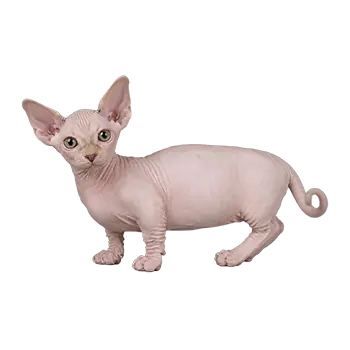

When Does Senior Begin?

The Dwelf is generally considered to enter the senior phase of life between ten and twelve years of age, though individual cats may show signs of aging earlier or later depending on genetics, overall health, and the quality of care they have received throughout life. Because the Dwelf is a relatively new breed with limited generational data, owners should work closely with their veterinarian to assess their individual cat's aging trajectory rather than relying solely on general feline age charts.

The transition into senior status is usually gradual rather than abrupt. You may notice your Dwelf sleeping more, playing with slightly less intensity, or choosing lower resting spots rather than climbing to higher perches. These subtle shifts are normal and do not necessarily indicate illness, but they do signal that the cat's care routine should begin to accommodate changing needs. Acknowledging the onset of the senior stage allows you to make proactive adjustments rather than reacting to problems after they develop.

A comprehensive senior wellness examination is the best starting point for this phase of life. Your veterinarian will likely recommend blood work, urinalysis, blood pressure measurement, and a thyroid panel in addition to the standard physical examination. These baseline results become invaluable reference points for detecting changes over time. For Dwelf cats with Sphynx heritage, a cardiac evaluation including echocardiography may also be recommended to monitor for hypertrophic cardiomyopathy, which can develop or progress with age.

Embracing the senior years does not mean accepting a diminished quality of life. Many Dwelf cats remain active, affectionate, and engaged well into their teens with appropriate care. The goal of senior management is to detect and address age-related changes early, adapt the home environment to support the cat's evolving capabilities, and preserve the comfort and joy that define the Dwelf's companionship.

Mobility & Joint Health

The Dwelf's shortened legs, inherited from the Munchkin side of its ancestry, can make the breed somewhat more susceptible to joint stiffness and mobility changes as it ages. While the short-legged conformation does not inherently cause arthritis, the altered biomechanics of the limbs may contribute to earlier onset of degenerative joint changes in some individuals. Observing your cat's movement patterns and noting any changes in gait, jumping ability, or willingness to climb provides early indicators of developing discomfort.

Environmental modifications can significantly improve a senior Dwelf's comfort and independence. Replace tall cat trees with shorter structures that have closely spaced platforms, add ramps to favorite furniture, and ensure litter boxes have low entry points that do not require the cat to step over high sides. Heated beds or pads are especially beneficial for hairless senior cats, providing both warmth and gentle joint relief that can ease stiffness, particularly during cooler months.

Your veterinarian may recommend joint-support supplements containing glucosamine, chondroitin, or omega-three fatty acids to help maintain cartilage health and reduce inflammation. In cases of more significant arthritis, prescription anti-inflammatory medications or pain management protocols may be appropriate. Never administer human pain medications to your cat, as many common over-the-counter products are toxic to felines. Work with your veterinarian to develop a safe and effective pain management plan tailored to your Dwelf's specific needs.

Gentle daily exercise remains important for senior cats, as it maintains muscle tone, supports joint flexibility, and prevents the weight gain that exacerbates mobility problems. Adapt play sessions to your cat's current abilities, using slower-moving toys and shorter activity periods. Many senior Dwelf cats still enjoy interactive play but tire more quickly and may prefer ground-level games to activities that require jumping or rapid direction changes.

Cognitive Changes

Cognitive dysfunction syndrome, sometimes described as feline dementia, can affect cats of any breed as they age, and owners should be aware of the signs. A senior Dwelf experiencing cognitive changes may display disorientation in familiar surroundings, altered sleep-wake cycles with increased nighttime vocalization, decreased interest in social interaction, or lapses in litter box habits that cannot be attributed to a physical cause. These changes tend to develop gradually and may initially be subtle enough to dismiss as normal aging.

Maintaining mental stimulation is one of the most effective strategies for supporting cognitive health in senior cats. Continue to provide puzzle feeders, novel toys, and gentle interactive play that engages the cat's problem-solving abilities. Social interaction with family members remains important, as the Dwelf's deep attachment to its humans provides both emotional comfort and cognitive engagement. Even brief daily training sessions reviewing familiar cues can help keep the aging brain active.

If you notice signs of cognitive decline, discuss them with your veterinarian during the next wellness visit. Your veterinarian can rule out medical conditions that mimic cognitive dysfunction, such as hyperthyroidism, hypertension, kidney disease, or pain from arthritis, all of which are treatable and may be causing or contributing to the behavioral changes you observe. A thorough diagnostic workup is essential before attributing behavioral changes solely to cognitive aging.

Environmental consistency becomes increasingly important for cognitively declining cats. Avoid rearranging furniture, moving litter boxes, or making other significant changes to the home layout. Night lights in hallways and key rooms can help a disoriented cat navigate after dark. Maintaining predictable routines for feeding, play, and social interaction provides the structure and security that a cognitively compromised cat needs to feel safe and comfortable in its environment.

Nutrition for Aging

Nutritional needs shift as the Dwelf enters its senior years, and dietary adjustments can play a meaningful role in supporting overall health and managing age-related conditions. Senior cat foods are formulated with modified protein, fat, and calorie levels to accommodate the slower metabolism and changing body composition of older cats. However, not all senior cats need to reduce protein intake, and recent research suggests that maintaining adequate high-quality protein supports muscle mass preservation in aging felines. Consult your veterinarian for guidance tailored to your cat's specific health profile.

Appetite changes are common in senior cats and may result from decreased sense of smell, dental discomfort, nausea from underlying health conditions, or simply a preference shift. If your Dwelf becomes a pickier eater, try warming food slightly to enhance aroma, offering smaller and more frequent meals, or experimenting with different textures. Sudden appetite loss or dramatic weight change warrants prompt veterinary evaluation, as these can be early signs of kidney disease, hyperthyroidism, diabetes, or other conditions that are more effectively managed when caught early.

Hydration takes on heightened importance as kidney function naturally declines with age. Encourage water intake by maintaining clean water fountains, offering multiple water stations throughout the home, and incorporating wet food into the diet if it is not already the primary format. Some owners add a small amount of warm water or low-sodium broth to dry food to increase fluid consumption. Monitor urine output and litter box habits, as increased urination or thirst can indicate kidney disease or diabetes.

Your veterinarian may recommend specific dietary supplements for the senior Dwelf, such as omega-three fatty acids for skin and joint support, probiotics for digestive health, or antioxidant-rich formulas for cognitive support. Any supplementation should be guided by veterinary advice to ensure compatibility with the cat's overall dietary plan and any medications it may be receiving. Regular weight monitoring and body condition assessment help fine-tune the nutritional approach as your cat continues to age.

Increased Veterinary Care

Senior Dwelf cats benefit from veterinary visits at least twice per year, with more frequent checkups recommended for cats with known health conditions. These visits should include a comprehensive physical examination, complete blood count, serum chemistry panel, urinalysis, thyroid screening, and blood pressure measurement. Tracking trends in these values over time is one of the most powerful tools for detecting age-related diseases in their earliest, most treatable stages.

Kidney disease is among the most common health concerns in aging cats, and early detection through routine blood work and urinalysis can allow for dietary and medical interventions that significantly slow disease progression. Hyperthyroidism is another condition that frequently develops in older cats, causing weight loss despite increased appetite, restlessness, vomiting, and an elevated heart rate. Both conditions are manageable when identified early, reinforcing the value of regular senior wellness testing.

Dental health often requires increased attention during the senior years. Periodontal disease progresses with age, and some senior cats develop resorptive lesions that cause significant pain and may require extraction. Regular dental examinations, professional cleanings under anesthesia when deemed safe by your veterinarian, and at-home dental care contribute to oral comfort and prevent secondary health problems associated with chronic oral infection.

Discuss a comprehensive senior care plan with your veterinarian that addresses preventive care, disease screening, pain management, and quality-of-life monitoring. This plan should be reviewed and updated at each visit as new information becomes available. Open communication with your veterinary team ensures that your senior Dwelf receives coordinated, thoughtful care that maximizes comfort and well-being throughout the aging process.

Quality of Life Assessment

Regularly evaluating your senior Dwelf's quality of life ensures that the care decisions you make continue to serve the cat's best interests. Quality-of-life assessment considers multiple dimensions including pain level, appetite, hydration, mobility, hygiene, happiness, and the balance of good days versus difficult ones. Several veterinary organizations offer structured quality-of-life scales that provide a framework for this evaluation, and your veterinarian can help you interpret the results in the context of your cat's specific situation.

Pain assessment in cats requires careful observation, as felines are instinctively adept at masking discomfort. Signs of pain in a senior Dwelf may include reluctance to jump or climb, decreased grooming, changes in facial expression, withdrawal from social interaction, irritability when touched in certain areas, or altered posture. A cat that was previously affectionate and now avoids contact may be experiencing discomfort rather than simply becoming less social. Your veterinarian can perform a thorough pain assessment and develop a management plan if pain is identified.

The emotional well-being of your Dwelf is as important as its physical health. A cat that still seeks out affection, purrs during interaction, shows interest in its surroundings, and maintains some level of playfulness is communicating that life remains meaningful and enjoyable. Conversely, a cat that has withdrawn entirely, stopped grooming, lost interest in food and social contact, and no longer responds to favorite activities may be signaling that its quality of life has significantly declined.

Keeping a simple daily journal that notes your Dwelf's appetite, activity level, social engagement, and overall demeanor provides an objective record that can reveal trends you might otherwise miss in the day-to-day routine. Share this journal with your veterinarian to inform clinical decisions and to ensure that both you and your veterinary team have a complete picture of how your cat is experiencing its senior years. This collaborative approach supports compassionate, informed decision-making at every stage of the aging process.

Always consult a qualified professional before making any health-related decisions. This content is provided for informational reference only and should not replace professional guidance specific to your animal.