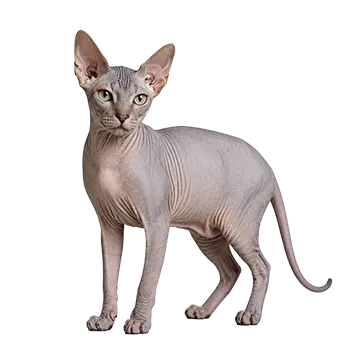
Determining when a Donskoy cat transitions from adult to senior is not defined by a single birthday but rather by a gradual accumulation of physical and behavioral changes. Most veterinary professionals consider cats to enter the senior category around ten to twelve years of age, with geriatric status beginning around fifteen. However, individual Donskoy cats may show signs of aging earlier or later depending on genetics, overall health history, and the quality of care they have received throughout their lives.
The first signs of aging in a Donskoy are often subtle. You may notice a slight decrease in activity level, a preference for warmer sleeping spots, or a reduction in the intensity of play sessions. The skin, which has been a defining feature throughout the cat's life, may become thinner and less elastic. Wrinkles may deepen, and the skin may feel slightly drier than it did during the cat's prime years. These changes are normal parts of the aging process and do not necessarily indicate illness.
Changes in weight and body composition are common as the Donskoy enters its senior years. Some cats gain weight due to decreased activity levels and a slower metabolism, while others begin to lose weight as muscle mass diminishes and appetite changes. Because the Donskoy's body is fully visible without a coat, these changes are often more noticeable and can be tracked visually as well as through regular weigh-ins.
Transitioning your mindset from maintenance to proactive monitoring is essential as your Donskoy ages. Scheduling veterinary visits every six months rather than annually allows for earlier detection of age-related conditions. Keeping a journal of your cat's daily habits, appetite, water intake, litter box output, and behavior patterns provides valuable data that can help your veterinarian identify trends before they become problems.
