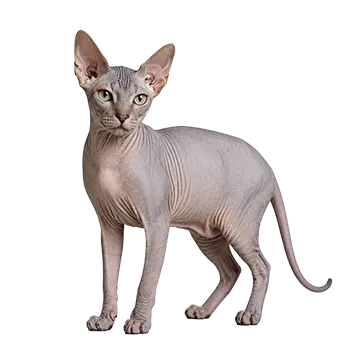

Recognizing that a beloved Donskoy is approaching the end of life is one of the most difficult experiences a pet owner will face. The signs of terminal decline may develop gradually over weeks or months, or they may appear more suddenly in the case of acute illness or organ failure. Because the Donskoy is such an expressive, communicative breed, changes in behavior and engagement often provide the earliest and most meaningful indicators that the cat's condition is shifting.
A marked and sustained decrease in appetite is one of the most common signs that a cat is nearing the end of life. The Donskoy that once enthusiastically greeted meal times may begin turning away from food, eating only small amounts, or refusing even favorite treats. While appetite loss can have many treatable causes, when it occurs in the context of advanced age or progressive disease and does not respond to veterinary intervention, it often signals that the body is beginning to shut down.
Withdrawal from social interaction is particularly significant in a breed as people-oriented as the Donskoy. A cat that has spent its entire life seeking human contact and now retreats to quiet, isolated spots is communicating a fundamental change in its experience. Some cats seek solitude when they are in pain or feel vulnerable, while others may simply lack the energy to maintain their usual level of engagement. Either way, this behavioral shift deserves attention and compassion.
Physical signs of decline include significant weight loss, muscle wasting, difficulty breathing, incontinence, inability to groom, and a general appearance of frailty. The Donskoy's hairless body makes these physical changes starkly visible, which can be distressing for owners but also provides a clear and honest picture of the cat's condition. Changes in skin color, temperature, or texture may also be noticeable. Trust your knowledge of your individual cat and your instincts as their closest companion.