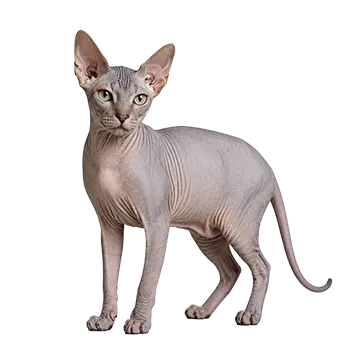
Donskoy kittens arrive into the world looking remarkably different from most feline newborns. Depending on their coat type, they may appear completely bald, covered in a fine peach-fuzz down, or sporting a thin wavy coat that will change over time. Their skin is warm, wrinkled, and extraordinarily soft, and they are entirely dependent on their mother for warmth, nutrition, and stimulation. The first day of life is a critical window during which bonding with the queen and access to colostrum set the stage for long-term health.
Within the first few hours, each kitten should latch onto a nipple and begin nursing. Colostrum, the thick first milk produced by the mother, is packed with antibodies that provide passive immunity against common infections. Because Donskoy kittens lack the insulating fur coat that other breeds rely on, they are especially vulnerable to temperature loss, making consistent access to the mother's body heat essential during these initial hours.
Monitor the litter carefully without excessive handling. Count the kittens, confirm that each one is breathing normally, and look for any obvious abnormalities such as cleft palates or limb deformities. Weigh each kitten using a small digital scale and record the weight so you can track daily gains. A healthy Donskoy newborn typically weighs between 80 and 120 grams at birth, though slight variation is normal.
Keep the nesting area clean, quiet, and dimly lit. The queen will handle most of the early care, including stimulating the kittens to urinate and defecate by licking their abdomens. Your role during the first day is primarily observational. Ensure the mother has fresh water, high-quality food, and a calm environment so she can focus entirely on her litter.
